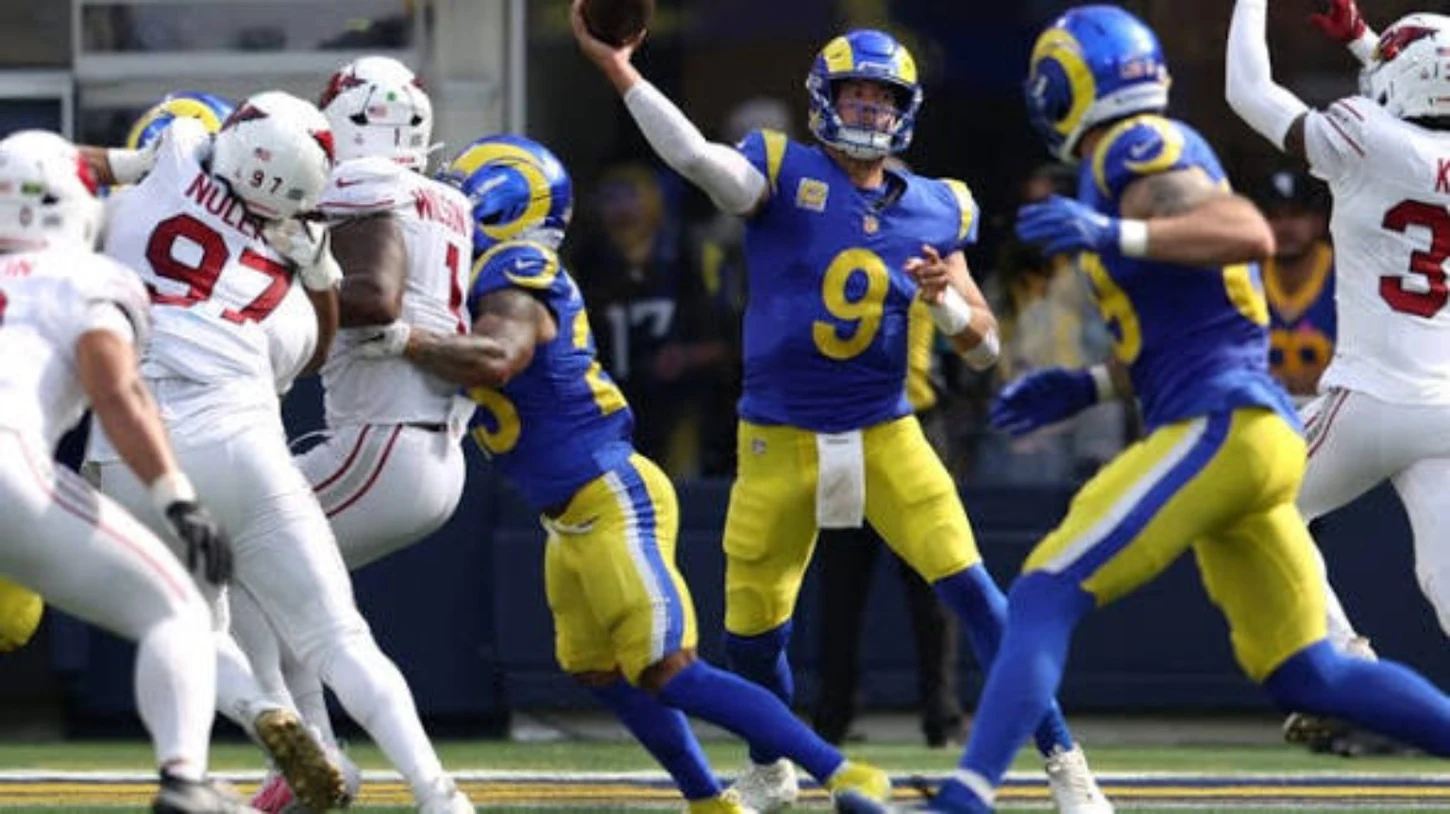
The score that should change the conversation
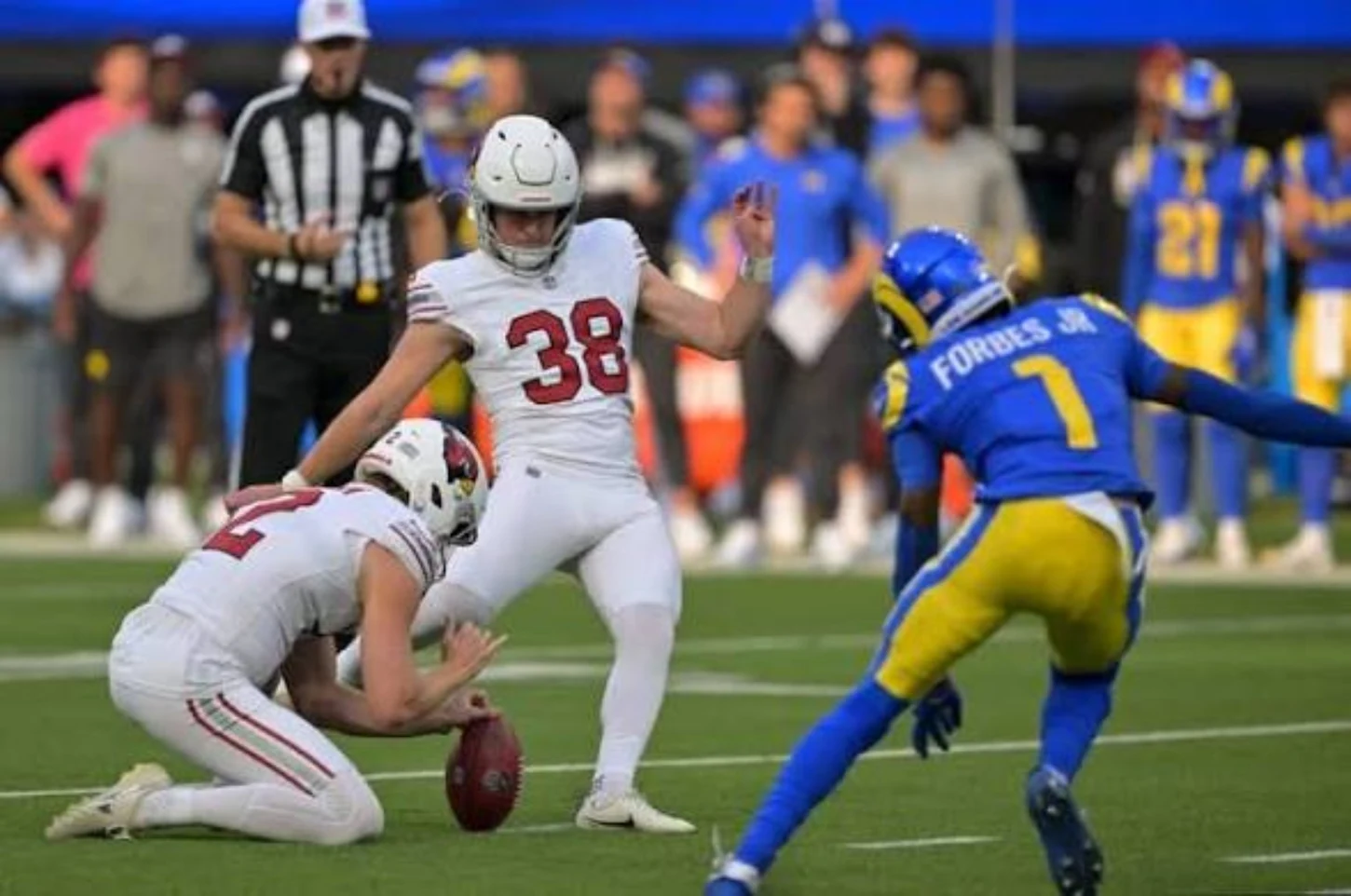
A 12½-point home favorite against an Arizona team that had dropped four straight, Los Angeles was supposed to handle business and begin fixing its season. Instead, the Cardinals won without ever crossing the goal line. Six Chad Ryland field goals, the last from 43 yards at the horn, were enough to send the Rams to 2–4. Let that sit for a minute: a team we considered an NFC powerhouse just lost a divisional home game to an opponent that never scored a touchdown.
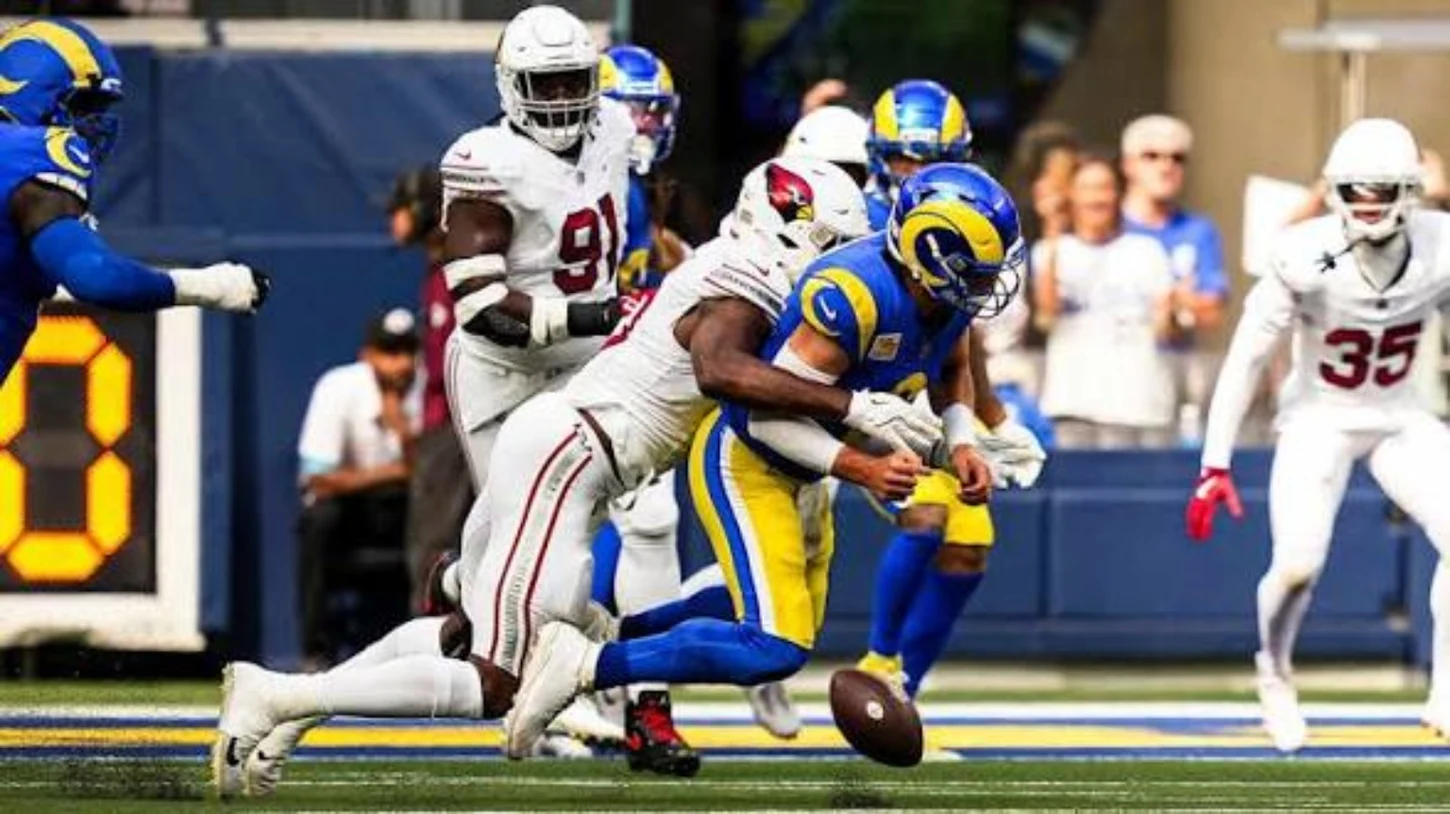
The Rams' defense didn't produce a perfect afternoon—it surrendered 338 yards, 120 on the ground, and couldn't stop the decisive final possession—but it kept Arizona out of the end zone. A championship-level offense has to make six field goals feel insufficient. Instead, 16 points were all Los Angeles could find. Arizona controlled the ball for 34:52 to the Rams' 25:08 and ran 70 plays to L.A.'s 56. That's not how a favorite imposes itself at home.
The fourth quarter told the whole story
Matthew Stafford finished 25-for-33 for 222 yards and two touchdowns. The numbers are respectable until you watch how difficult the offense made everything. Arizona's pressure disrupted the timing, McVay's unit managed only 286 total yards, and the Rams spent most of the second half searching for a clean finishing sequence. Puka Nacua caught six passes for 80 yards, but the game never consistently ran through the offense's most dangerous pieces.
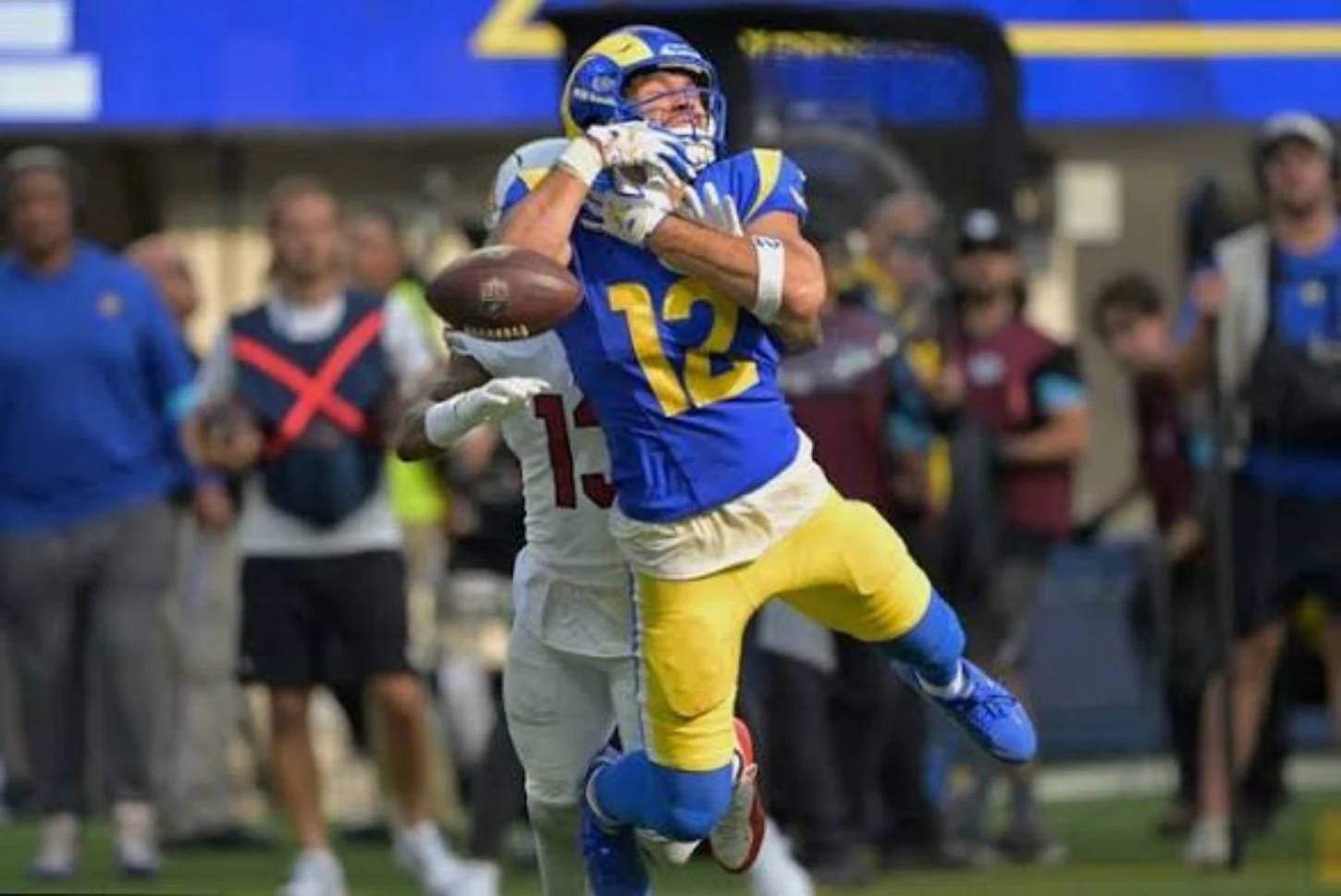
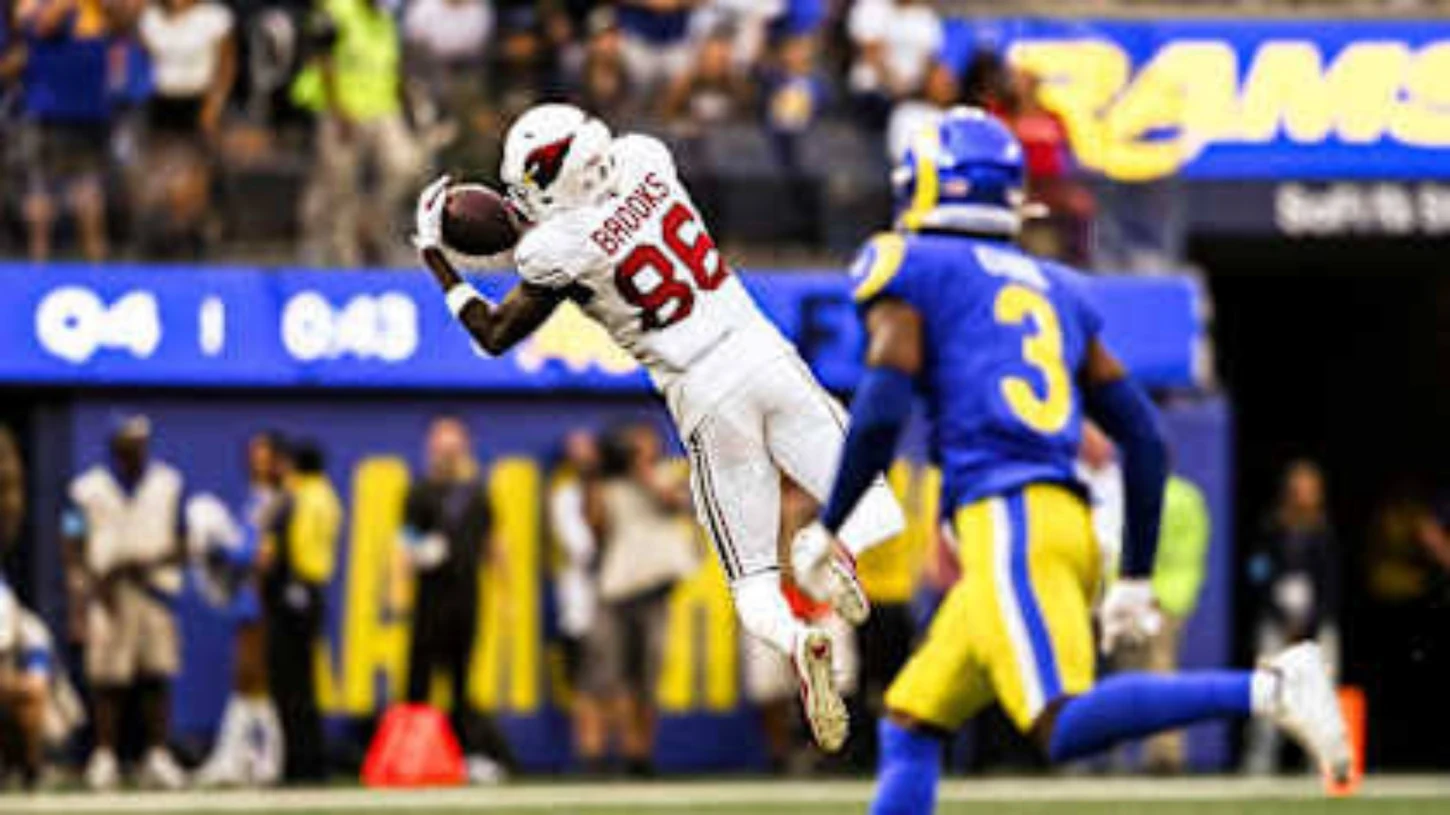
The late touchdown should have been the rescue. Stafford found Colby Parkinson from six yards out, and Ethan Evans—the punter, pressed into extra-point duty—converted to put Los Angeles up 16–15 with 47 seconds left. Then the defense surrendered a 21-yard completion to Jalen Brooks, compounded by a 15-yard personal foul, and Jacoby Brissett did just enough to create the final kick. Chad Ryland finished it. The Rams finally grabbed the lead and couldn't protect it for even a minute.
Special teams became a crisis all its own. New kicker Blake Grupe made a 44-yard field goal, then hurt his knee trying to make a tackle on the ensuing kickoff. He didn't return. Los Angeles had already changed kickers after Harrison Mevis missed twice in the Buffalo overtime defeat. Stafford's second-quarter touchdown pass to Blake Corum had also been followed by a failed two-point try. This is what losing looks like when every detail has a cost. A kicker injury is bad luck. Being in a situation where one replacement injury can destabilize another close game is a roster-planning and execution problem that deserves scrutiny.
Our 14–3 prediction: the receipt is ours
Before the season, 4 Da Kulture projected the Rams to finish 14–3, win the NFC West and take the conference's No. 1 seed. We compared the construction of this roster to the championship-era Rams: reigning MVP Stafford, Puka Nacua, Davante Adams and Kyren Williams on offense, plus an aggressive defensive build that added Myles Garrett. We were looking at the talent, the experience and the all-in mentality—and we believed those pieces made Los Angeles the team to beat.
Four losses in six games end that exact projection. It isn't 'looking shaky.' It is mathematically gone. The most the Rams can finish now is 13–4, and that would require winning every remaining game. A 10–7 finish requires an 8–3 run from here. Our early expectation of cruising toward the No. 1 seed cannot be defended against this body of work.
We didn't wait until today to sound an alarm. At the Week 4 prediction checkpoint, we'd already dropped Los Angeles from our preseason No. 1 to No. 12 and admitted the pick was too high. At 2–2, there was still evidence to believe the roster could settle. Two more losses later—at home to Buffalo in overtime and now at home to Arizona—the debate has changed. This is no longer about protecting our forecast. It's about being right about what this football team actually is.
The NFC West doesn't give you room to coast
San Francisco is 5–0 entering its Monday night game, Seattle is 3–3, Arizona is 2–4 and the Rams are 2–4. Los Angeles sits fourth because Arizona now owns the head-to-head edge. Against the division, the Rams are 0–2; the 49ers are 3–0. San Francisco already embarrassed them 27–7 in Week 1. That's the first tiebreaker problem, and it won't disappear just because the second half of the season gets better.
The actual standings gap to an unbeaten 5–0 team is 3½ games before Monday, not simply three. If San Francisco wins Monday, that deficit grows. The 49ers have their own injury problems, but unlike Los Angeles, they've turned adversity into wins. We can debate which roster has more headline talent. The results don't care.
This is why the division title matters so much. Last year, the Rams had to go through a road postseason as the No. 5 seed and ultimately fell in Seattle in the NFC Championship Game. In a division where San Francisco and Seattle can both punish mistakes, surrendering the crown means a tougher playoff path and less control over where the biggest games are played. The wild card is still possible. Treating it like an acceptable backup plan for a supposed Super Bowl favorite misses the point.
The injury excuse has limits
Myles Garrett remains on injured reserve with a knee injury. Trent McDuffie was inactive against Arizona because of a groin injury. Those are significant losses for a defense assembled to pressure quarterbacks and erase mistakes at the back end. We won't pretend their absences are irrelevant. The pass rush and coverage get thinner, and offensive coordinators get more flexibility against backups.
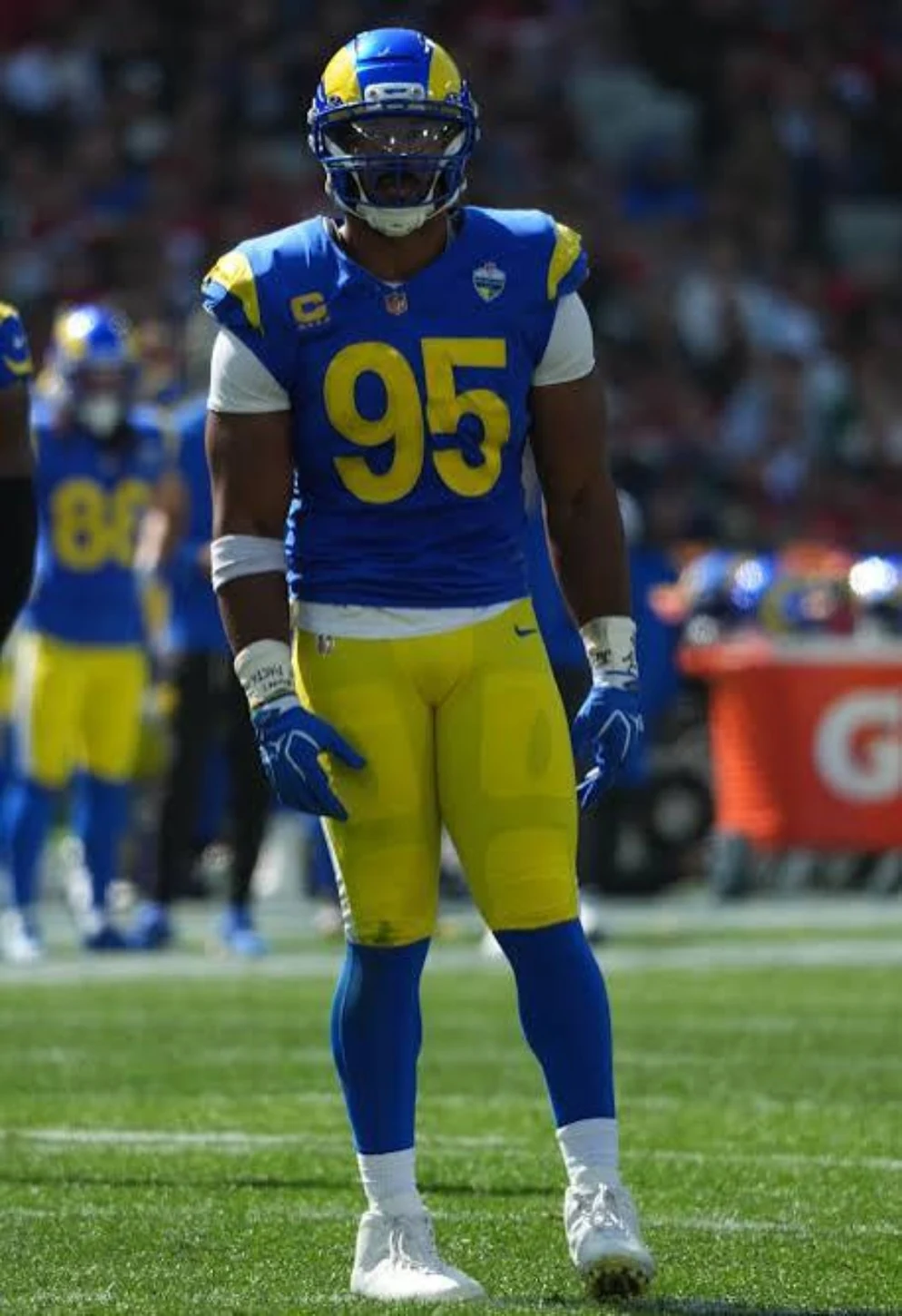
But this particular loss cannot be dumped on the injury report. Arizona didn't score a touchdown. The Rams had opportunities to put the game away long before the final possession. Los Angeles also lost valuable possessions and momentum to offensive stagnation, ball-security problems and a special-teams emergency. An all-in roster can't cite the injury list every week while losing games it was favored to win. Contenders adapt. Good teams find a way to beat weaker opponents even when a few stars aren't available.
Stafford and McVay have to own this together
We're not putting every loss on Stafford's shoulders. His 383-yard, three-touchdown performance against Buffalo showed the passing ceiling hasn't vanished. And Puka is still a problem for defensive backs. But the offense has become too dependent on asking Stafford to rescue a disjointed afternoon. Arizona's blitzes generated pressure, the run game couldn't dictate the terms, and the Rams never turned their edge in skill talent into sustained control.
Sean McVay gets the same questions. Where is the offensive counterpunch when defenses heat up the pocket? Where is the consistent run-pass balance that keeps the whole playbook alive? Why is the offense with Stafford, Puka, Davante Adams and Kyren Williams laboring through long stretches against an opponent that entered the game 1–4? A coach with McVay's reputation cannot keep losing the situational battle and ask to be judged only by design and potential.
We still recognize what these two have accomplished. That's exactly why the standard is higher. This isn't a first-year rebuild learning how to finish. It is a veteran contender being judged against its own expectations.
What happens next: the recovery test
The Rams' next listed opponent is the Las Vegas Raiders. At 2–4, Los Angeles has eleven regular-season games left, but the grace period is over. The immediate assignment isn't to make another Super Bowl speech. It's to win a game cleanly: protect Stafford, get the ball to the difference-makers without forcing everything through dropback volume, secure the football, stabilize the kicking operation and stop giving opponents a last-minute escape hatch.
We want to see urgency in the personnel decisions, too. How quickly can Garrett and McDuffie return, and what are the contingency plans if they can't? Does the front office need to address depth or special teams before the deadline? Can McVay commit to a more efficient offensive identity instead of expecting a late Stafford miracle? Those questions matter more than reassuring press-conference sound bites.
Could they rally and reach the postseason? Absolutely. The talent is too real to declare this team finished in October. But there is a difference between 'not eliminated' and 'playing like a contender.' The Rams are currently much closer to the first description than the second.
The 4DK verdict: stop living off the roster sheet
We put the Rams on a pedestal in August because we believed we were looking at the most complete roster in the conference. Six games in, the evidence demands a correction. The team is 2–4, 0–2 in the NFC West, last in its division, and its projected 14–3 finish is already impossible. The same offense that looked unstoppable on paper scored 16 at home against Arizona. The same defense that kept Arizona out of the end zone couldn't close the game when the lead was finally in hand.
This is not a call to tank, clean house or turn a six-game sample into a permanent verdict on Stafford and McVay. It is a call for the urgency that comes with the standard we gave them. We picked the Rams to own the NFC. Right now they don't even control their own division race. San Francisco is building separation, Seattle is still in the picture, and Arizona just walked into SoFi and took the game Los Angeles had to have.
The ceiling may still be there. The excuses aren't. At 2–4, the Rams have to earn back every bit of the championship respect we gave them before the season.
THE EXCUSES AREN'T.