← BACK TO NFL HEADQUARTERS
4DK NFL • WEEK 6 • SUNDAY NIGHT EDITION

SUNDAY
BROKE THE
SCRIPT.

Twelve Sunday games, no shortage of accountability. From Arizona shocking the Rams to Green Bay dismantling Dallas’s offensive confidence, this was a day of comebacks, collapses and teams learning exactly what their records mean.

EXPLORE ALL SUNDAY GAMES ↓
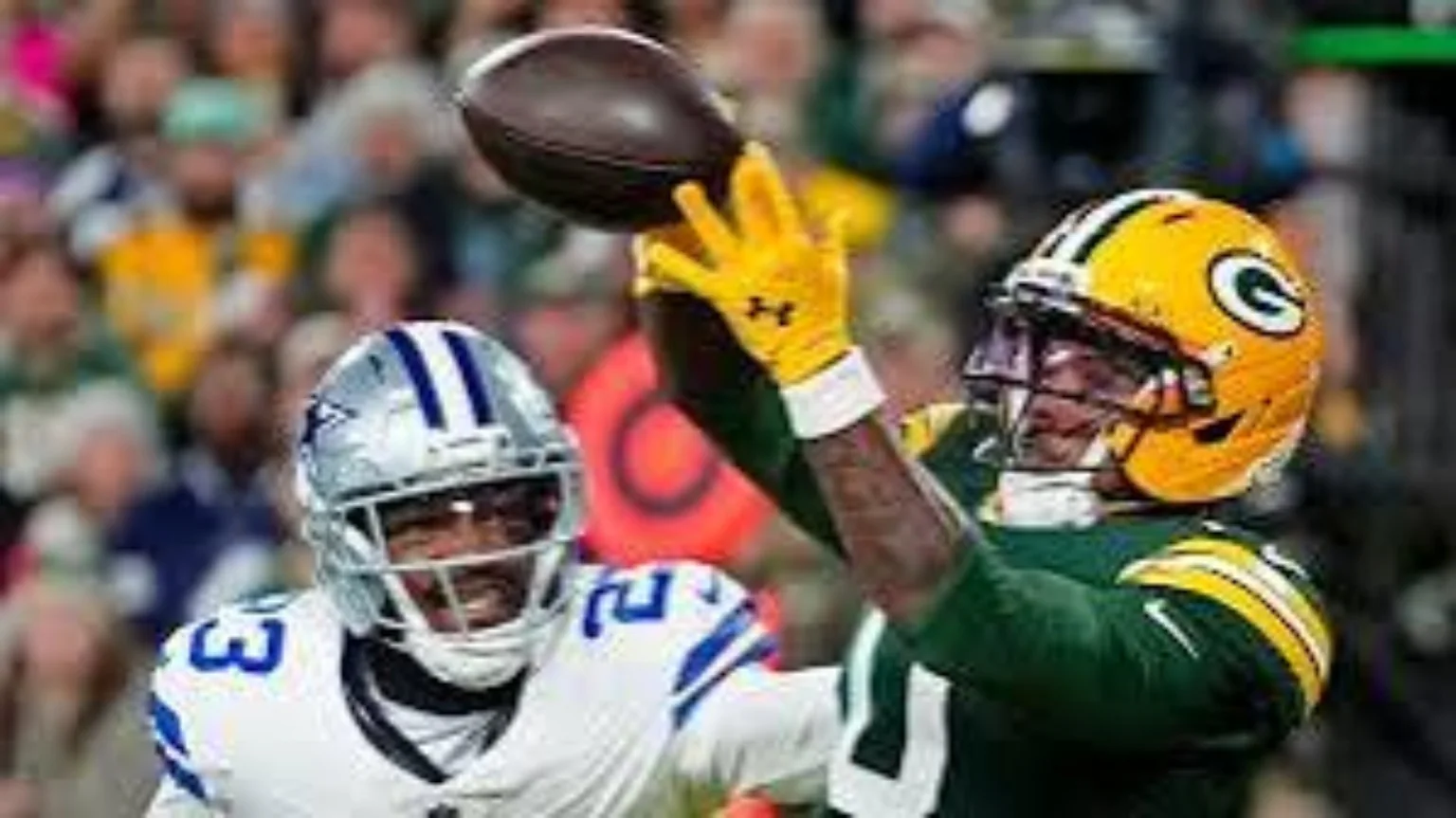
Green Bay Packers receiver making a catch with a Dallas Cowboys defender nearby
SUNDAY NIGHT FOOTBALL • GREEN BAY 23, DALLAS 13 • 4DK WEEK 6
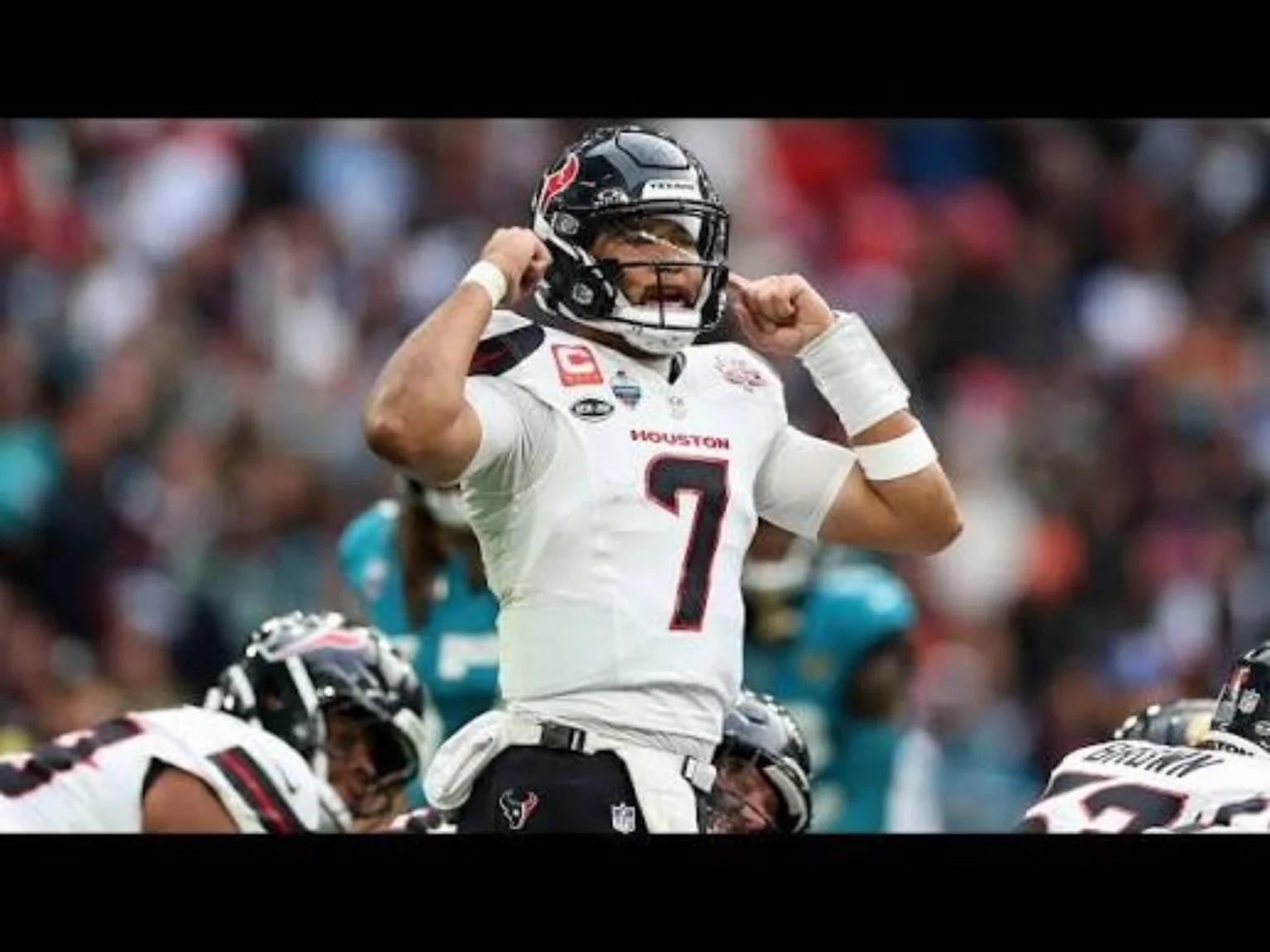
C. J. Stroud and Houston football
THE LONDON COMEBACK
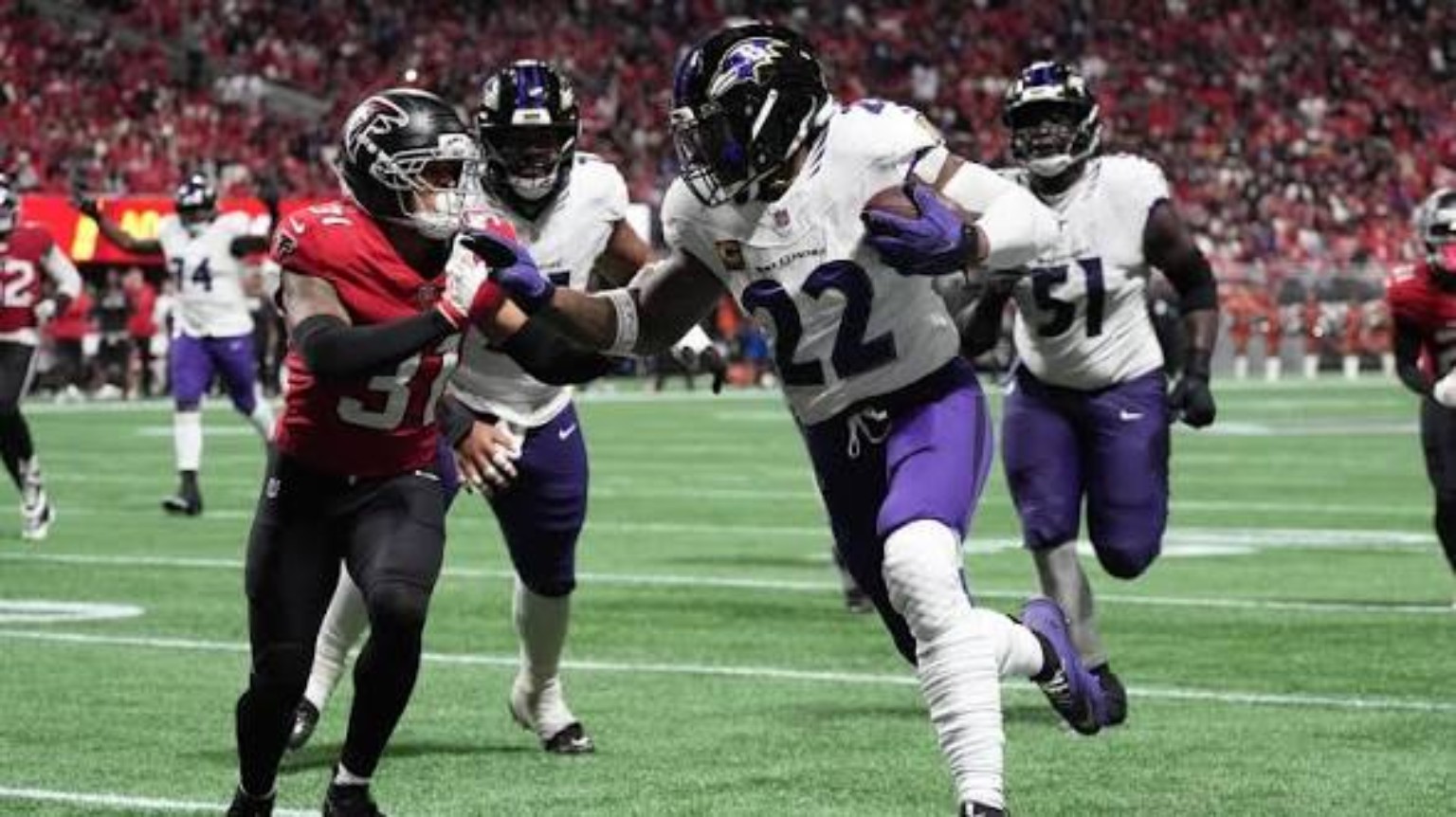
Chicago Bears football vs Atlanta
CHICAGO RESPONDS
Packers and Cowboys pass coverage
SNF • GREEN BAY DELIVERS
WEEK 6ALL 12 SUNDAY GAMES • FINALFULL IN-GAME BREAKDOWNSNO RETRACTED PREDICTIONS
THE 4DK OPENING WORD

THE RECORDS CAN'T HIDE THE FILM.

This Sunday was not a box-score contest. It was a reminder that one fourth-quarter fumble can destroy a divisional lead, one coaching choice can create an extra possession, one injury can change the way a quarterback must operate, and one poor red-zone afternoon can cost a supposed Super Bowl contender its cushion.

We already published the emergency verdict on Los Angeles. Here we're widening the lens: the Browns are turning defensive resistance into real AFC North positioning; Stroud has injected life into Houston; Caleb has returned to an increasingly mature Chicago offense; Tennessee finally broke through in the least glamorous way possible; and the quarterback instability in Philadelphia and New York cannot be smoothed over in a one-line recap.

We are keeping the original 4DK preseason forecasts on record. This is our collective analysis of what actually unfolded on the field—not a rewrite of what we expected in August.

THE NFC HEADLINERAMS: THE PRESEASON RECEIPT IS DUE.

Our 14–3 prediction is officially impossible after Arizona won at SoFi without a touchdown. That's not a detail to hide; it's what real accountability looks like.

READ THE FULL RAMS EMERGENCY REPORT →
THE AFC HEADLINETHE CLOSE GAMES ARE REWRITING THE DIVISIONS.

Cleveland's defense stole the late possessions Baltimore needed. Houston escaped London at the horn. Buffalo survived Vegas because its quarterback kept solving the next snap.

START WITH BROWNS–RAVENS →
THE COMPLETE 4DK SCOREBOARD

ONE GAME AT A TIME.

Select a final to jump to the complete original game breakdown. Monday night is separate because Washington–San Francisco has not been played.

THE FILM ROOM
01
LONDON • AFC SOUTH

STROUD DRAGS HOUSTON BACK INTO THE CONVERSATION

TEXANS 34 · JAGUARS 31
Houston 2–4 · Jacksonville 4–2

Jacksonville had the chance to put a division rival in an early-season hole. Instead, Houston turned Wembley into the scene of its strongest offensive performance of the season.

Houston Texans quarterback C. J. Stroud during a football game
4DK WEEK 6 • TEXANS / JAGUARS • PHOTOGRAPH PROVIDED FOR THIS RECAP
C.J. Stroud: 312 PASS YDS · 3 TD | Jaylin Noel: 107 REC YDS · TD

The story here was C.J. Stroud refusing to let Houston's 0–4 start define what this offense could become. He completed 24 of 34 for 312 yards and three touchdowns, attacked with confidence against one of the more restrictive defenses in the league, and distributed the ball without reducing the passing game to predictable checkdowns. Jaylin Noel's four catches for 107 yards were not empty production; his 50-yard strike just before halftime demonstrated how quickly Houston could punish a defense when the protection held up long enough for a route to develop. Foster Moreau caught two touchdowns, and newcomer Marvin Harrison Jr. delivered three chain-moving catches in his first appearance after the trade. The offense looked connected in ways it simply had not during the losing streak.

Jacksonville had its own offensive answers. Trevor Lawrence threw for 306 yards and four touchdowns, while Travis Hunter gave a full reminder of the two-way player he can be. Hunter caught a touchdown and then intercepted Stroud in the end zone late, turning a Houston scoring opportunity into the Jaguars' path back toward a tie. That interception mattered because Cam Little later drilled a 60-yard field goal to make it 31–31. But Jacksonville kept donating leverage: an early failed fourth-down attempt, a Lawrence red-zone pick and a penalty that erased a Bhayshul Tuten touchdown meant the Jaguars spent the afternoon having to recover ground they had created for themselves.

On the final meaningful possession, Houston did something that had been missing from its identity: the Texans stayed patient. Instead of trying to answer a long-range field goal with a desperate shot, they leaned on Woody Marks and Jawhar Jordan to move the ball, manage the clock and give Ka'imi Fairbairn the last kick. Fairbairn hit from 49 yards as time expired. Jacksonville still holds the better record, but what looked like an opportunity for a four-game divisional cushion became a message that Houston remains dangerous when Stroud is protected and the run game is credible.

4DK VERDICT

Stroud looked like a quarterback who can rescue Houston's season. Jacksonville still controls more of the race, but its situational mistakes turned a winnable game into a division-opening warning.

02
EARLY WINDOW • NFC

CALEB IS BACK. ATLANTA NEVER CONTROLLED THIS GAME.

BEARS 31 · FALCONS 23
Chicago 4–2 · Atlanta 2–4

Chicago started with the ball, the rhythm and the answers. Atlanta spent most of Sunday trying to survive a game that had already tilted hard against it.

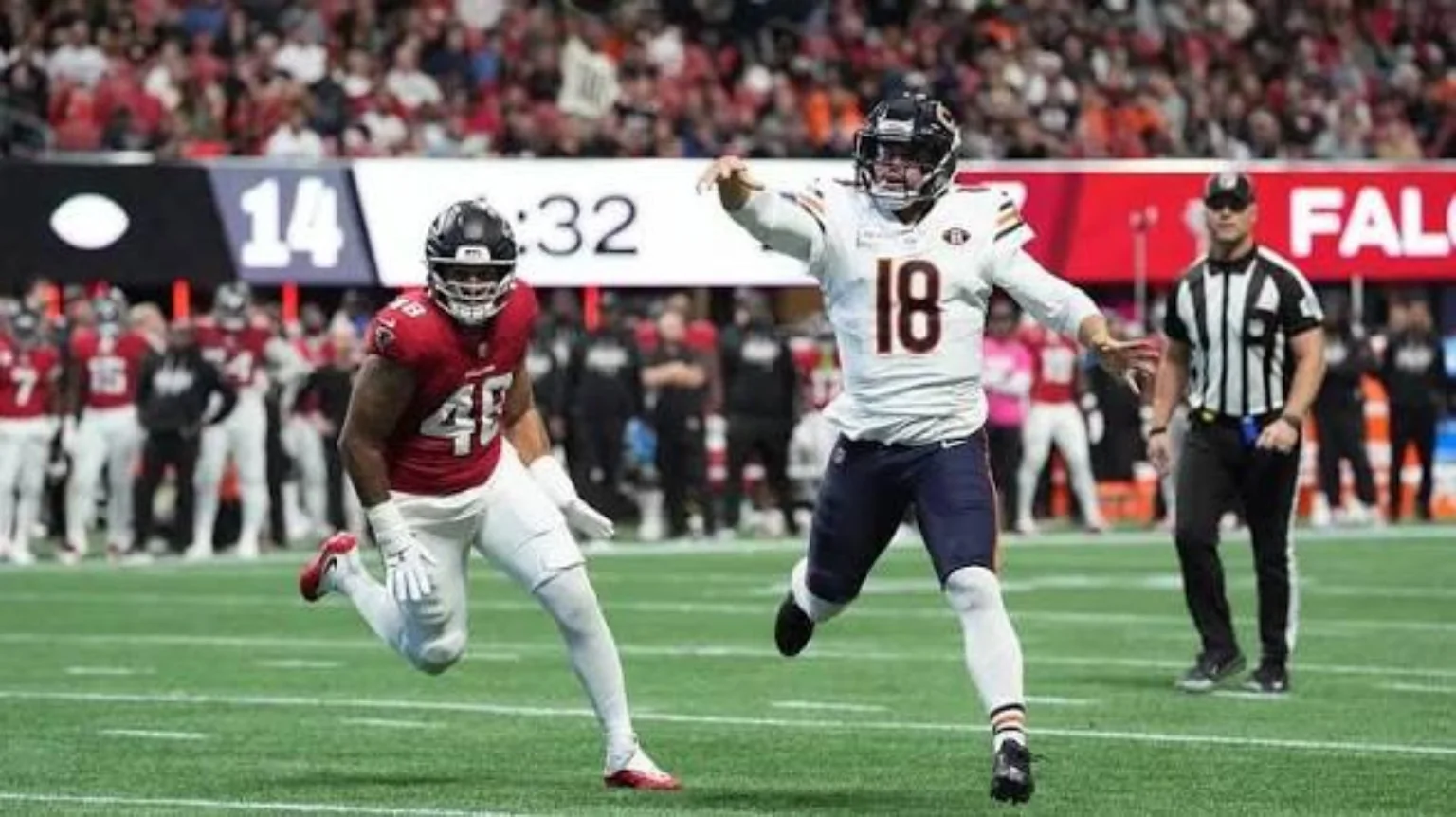
Chicago Bears quarterback on the field against the Atlanta Falcons
4DK WEEK 6 • BEARS / FALCONS • PHOTOGRAPH PROVIDED FOR THIS RECAP
Caleb Williams: 30/36 · 305 YDS · TD | Kyler Gordon: 3 SACKS

The first quarter was domination, not a narrow tactical edge. Chicago outgained Atlanta 154–3 and went in front 14–0, setting a pace the Falcons never managed to disrupt for any sustained stretch. In his return from a hamstring injury, Caleb Williams completed 30 of 36 passes for 305 yards and a touchdown, using movement to create throwing lanes without needing to turn the game into an improvisational running contest. From a clean pocket he was perfect on 24 attempts for 248 yards. Luther Burden III produced eight catches for 95 yards, and Colston Loveland contributed six for 65 and a touchdown. When those secondary receiving options consistently win, defenses cannot just shade coverage toward Chicago's most obvious weapons.

Atlanta's chances came through Chicago's self-inflicted mistakes, but the Falcons kept giving the opportunities away. Zachariah Branch muffed a punt when the game was still within reach, then lost a kickoff return later. A roughing-the-kicker penalty helped provide field position, and the offense still failed on downs. Michael Penix Jr. spent too much of the afternoon working with bodies around him, taking five sacks, while Bijan Robinson had only nine carries for 61 yards and caught two passes for minus-eight. For an offense that should use Robinson to create stability and favorable down-and-distance, that level of involvement was not enough. By the time Atlanta's fourth-quarter passing rhythm showed up, Chicago had built a 31–7 lead.

Chicago did not play a flawless game—it was flagged 12 times for 133 yards—but the Bears won time of possession 40:08 to 19:52 and finished four of five red-zone opportunities. Kyler Gordon's three sacks provided the defensive disruption to match Williams' command. Penix's late fumble ended any realistic comeback attempt. Coming out of a blowout loss to Green Bay, the Bears did not just win: they showed their QB1 could come back, protect the ball and direct a high-functioning offense.

4DK VERDICT

Chicago's ceiling jumps when Caleb plays on schedule and the young pass catchers finish plays. Atlanta has to address protection, giveaways and the disappearing run-game identity.

03
EARLY WINDOW • AFC NORTH

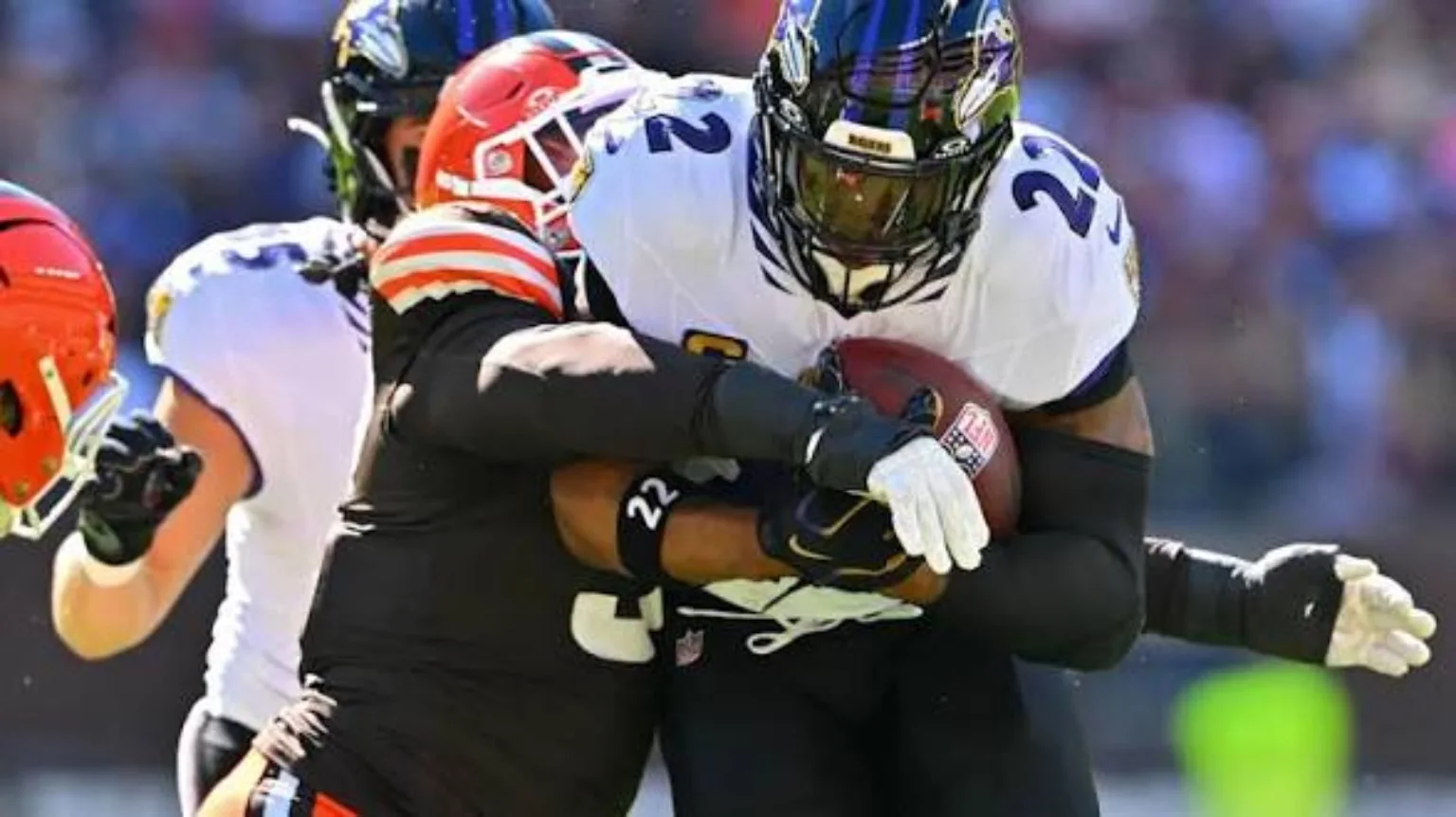
CLEVELAND MAKES A 10–0 HOLE DISAPPEAR

BROWNS 13 · RAVENS 10
Cleveland 4–2 · Baltimore 4–2

This was not pretty football. It was a statement that Cleveland can drag a more explosive roster into its preferred kind of fight—and win it.

Baltimore Ravens ball carrier met by Cleveland Browns defenders
4DK WEEK 6 • RAVENS / BROWNS • PHOTOGRAPH PROVIDED FOR THIS RECAP
4DK NFL game-week editorial photograph for Cleveland Makes A 10–0 Hole Disappear
4DK NFL archive photograph · Week 6 editorial context.
Carson Schwesinger: 13 TACKLES | Deshaun Watson: 4TH GAME-WINNING DRIVE OF 2026

Baltimore had the right plan early. The Ravens used motion and creative spacing to attack Cleveland's defense, and Tyler Huntley helped them get to a 10–0 lead with a fourth-down red-zone touchdown to Josh Cuevas. At that point the game's shape looked favorable to Baltimore: possession, leverage and a Browns offense that struggled to make anything easy. Yet the Ravens stopped expanding their advantage. Cleveland tightened the run fits, forced long-yardage situations, and turned the contest into a low-scoring endurance test rather than a showcase for Baltimore's skill position talent.

Carson Schwesinger was the game-changer. His 13 tackles and relentless run stops helped hold Baltimore to 235 total yards and six conversions in 16 third-down attempts. When Derrick Henry lost a fourth-quarter fumble forced by Schwesinger, the Browns received the short field that they had been waiting for, converted it into the tying touchdown, and suddenly made Baltimore pay for all the possessions it had failed to finish. That turnover was not just a bad bounce; when points are scarce, ball security is the difference between dictating the game and handing it away.

Deshaun Watson never piled up a huge passing total, but the late drive showed poise in the moment Cleveland needed it. Jerry Jeudy's 33-yard catch on a well-timed middle-field concept moved Cleveland into range, and Andre Szmyt hit the winning 37-yard field goal. This is Watson's fourth game-winning drive of the year and another survival win for a team that has found ways to win without an offense that scares anyone for 60 minutes. Baltimore, with Lamar Jackson unavailable and Huntley starting, cannot expect its defense to protect every three- or seven-point lead forever.

4DK VERDICT

Cleveland's defense is carrying a real division contender. Baltimore's early creativity gave way to conservative possessions and a killer Henry turnover. At 4–2, their shared record hides a meaningful shift in momentum.

04
EARLY WINDOW • AFC SOUTH

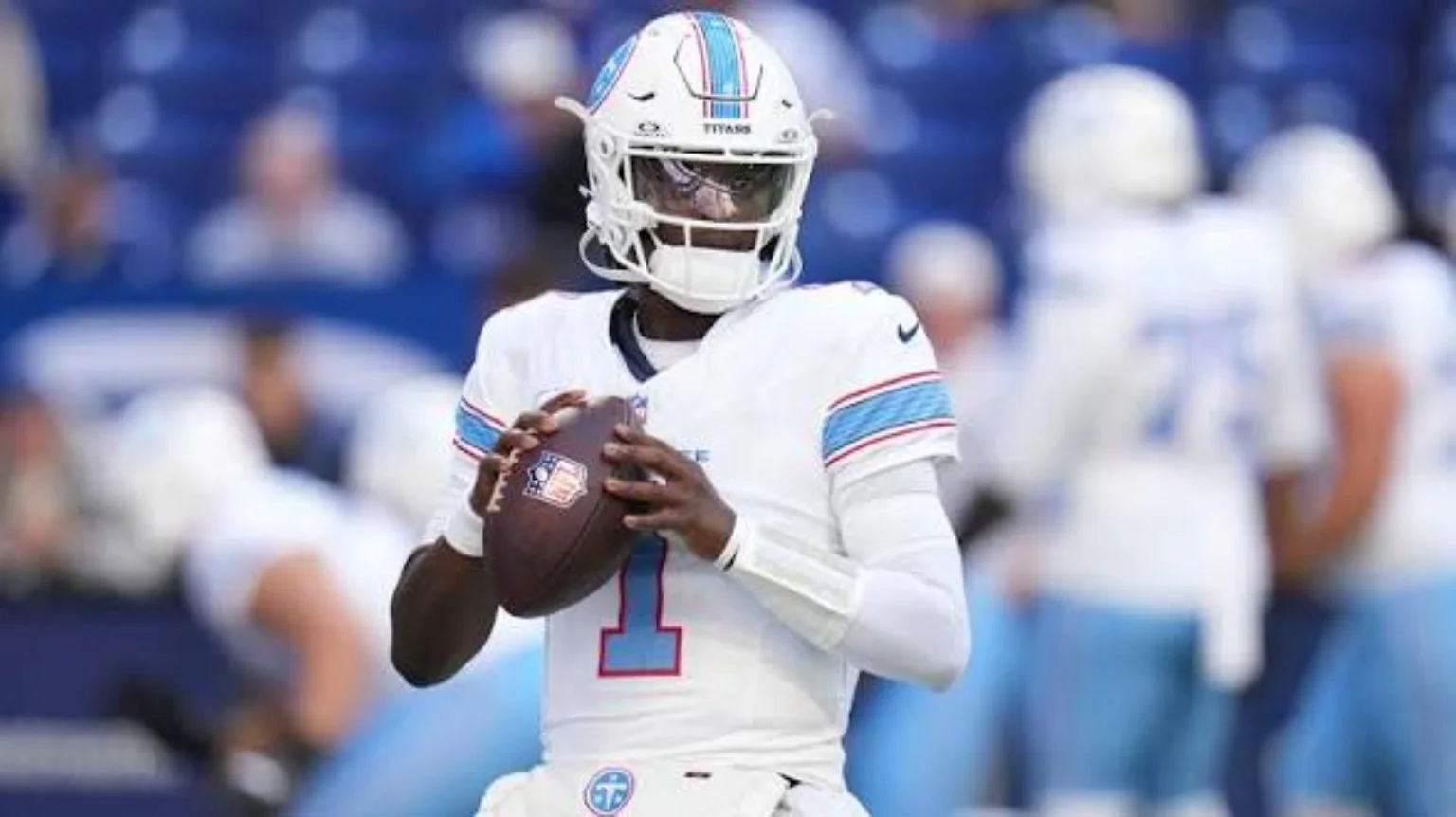
TENNESSEE WINS A GAME ITS OFFENSE COULD NOT CARRY

TITANS 26 · COLTS 20
Tennessee 1–5 · Indianapolis 2–4

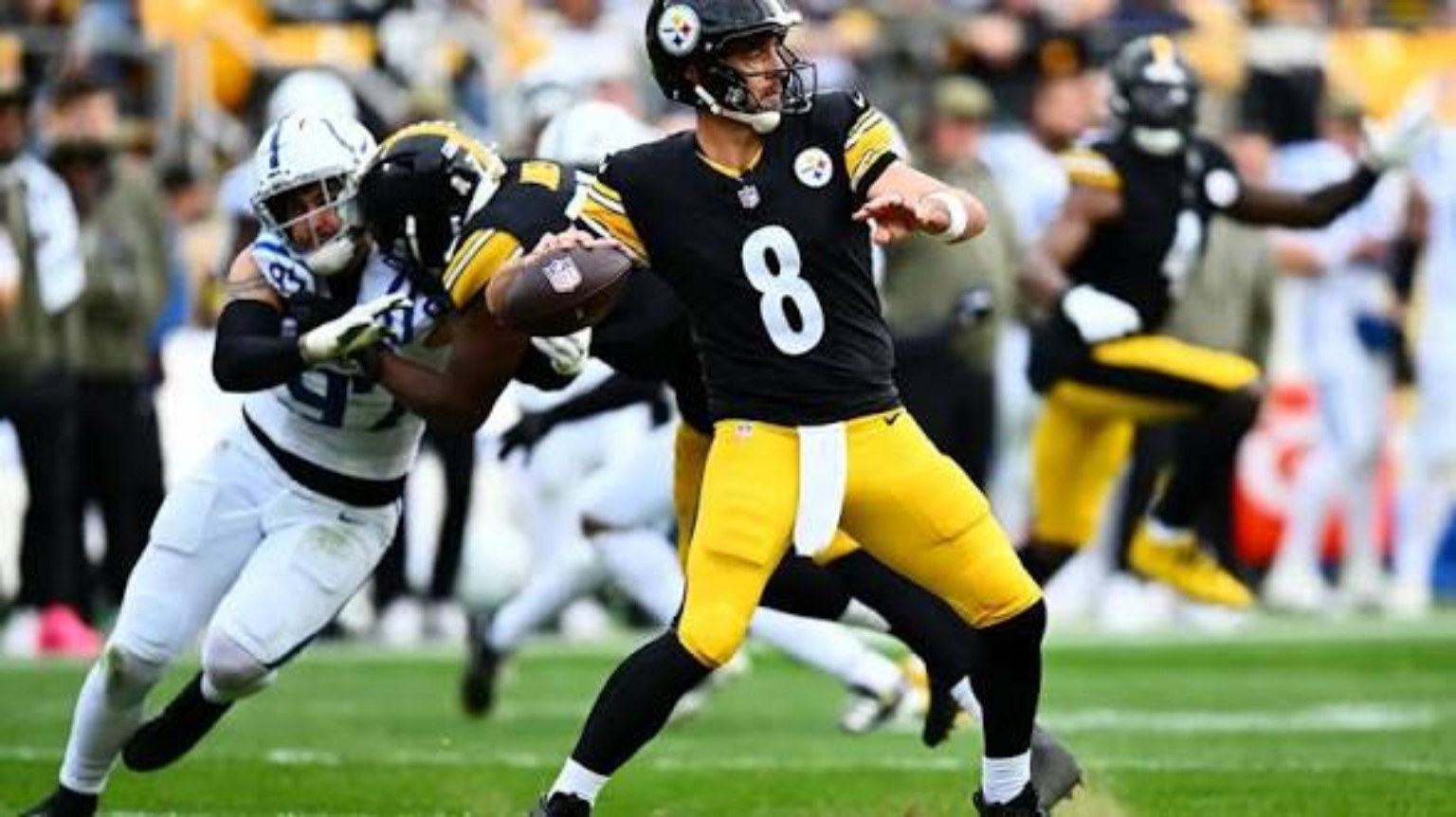
You can find Tennessee's first win in the defensive front and special teams—not in the total offense column.

Tennessee Titans quarterback prepares to throw
4DK WEEK 6 • TITANS / COLTS • PHOTOGRAPH PROVIDED FOR THIS RECAP
Titans offense: 186 TOTAL YDS | Jeffery Simmons: 2 SACKS | Carnell Tate: 6 REC · 70 YDS · TD

Indianapolis led 13–0 at halftime and had ample opportunity to put a winless divisional opponent away. The Colts moved the ball for nearly 400 yards and reached the red zone, but Amani Hooker's interception of Daniel Jones erased a promising opening march. Rather than a comfortable afternoon built around Jonathan Taylor and a controlled passing attack, Indianapolis kept surrendering opportunities at the exact moments Tennessee needed them. Taylor's fumble on the first play of the third quarter swung the tone; a later Jones interception and broken punt coverage made the game a parade of short fields rather than a test of which offense could sustain drives.

Robert Saleh's Titans only produced 186 total offensive yards. That is usually a number that guarantees another defeat. But Jeffery Simmons and Jermaine Johnson II repeatedly collapsed the pocket, each with two sacks, while Simmons forced the Taylor fumble and Johnson's late pressure created a desperate fourth-and-long. A blocked punt became the score that put Tennessee in front. Chimere Dike's 58-yard punt return made another offensive possession easy. Tennessee scored on all five second-half possessions because its other units did the heavy lifting that the offense could not.

Cam Ward completed 11 of 22 for 102 yards, a touchdown and a pick. There is no reason to dress that performance up as a breakout. But Carnell Tate looked like the high-end receiving prospect the Titans drafted: six catches, 70 yards and an eight-yard touchdown with strong boundary awareness. The question is whether Ward can develop reliable timing with anybody else. For Indianapolis, Daniel Jones' two picks and another uncomfortable performance raise the concern that this offense cannot keep relying on its defense to absorb catastrophic giveaways.

4DK VERDICT

Tennessee finally played Saleh-ball: defensive disruption, special teams and short fields. Indianapolis should be embarrassed to lose this way after controlling much of the first half.

05
EARLY WINDOW • AFC EAST

MAYE MOVES THE CHAINS. THE JETS KEEP WASTING THEIRS.

PATRIOTS 26 · JETS 19
New England 4–2 · New York 2–4

New England was too inconsistent to run away with it, but the Jets were too wasteful to make the Patriots pay.

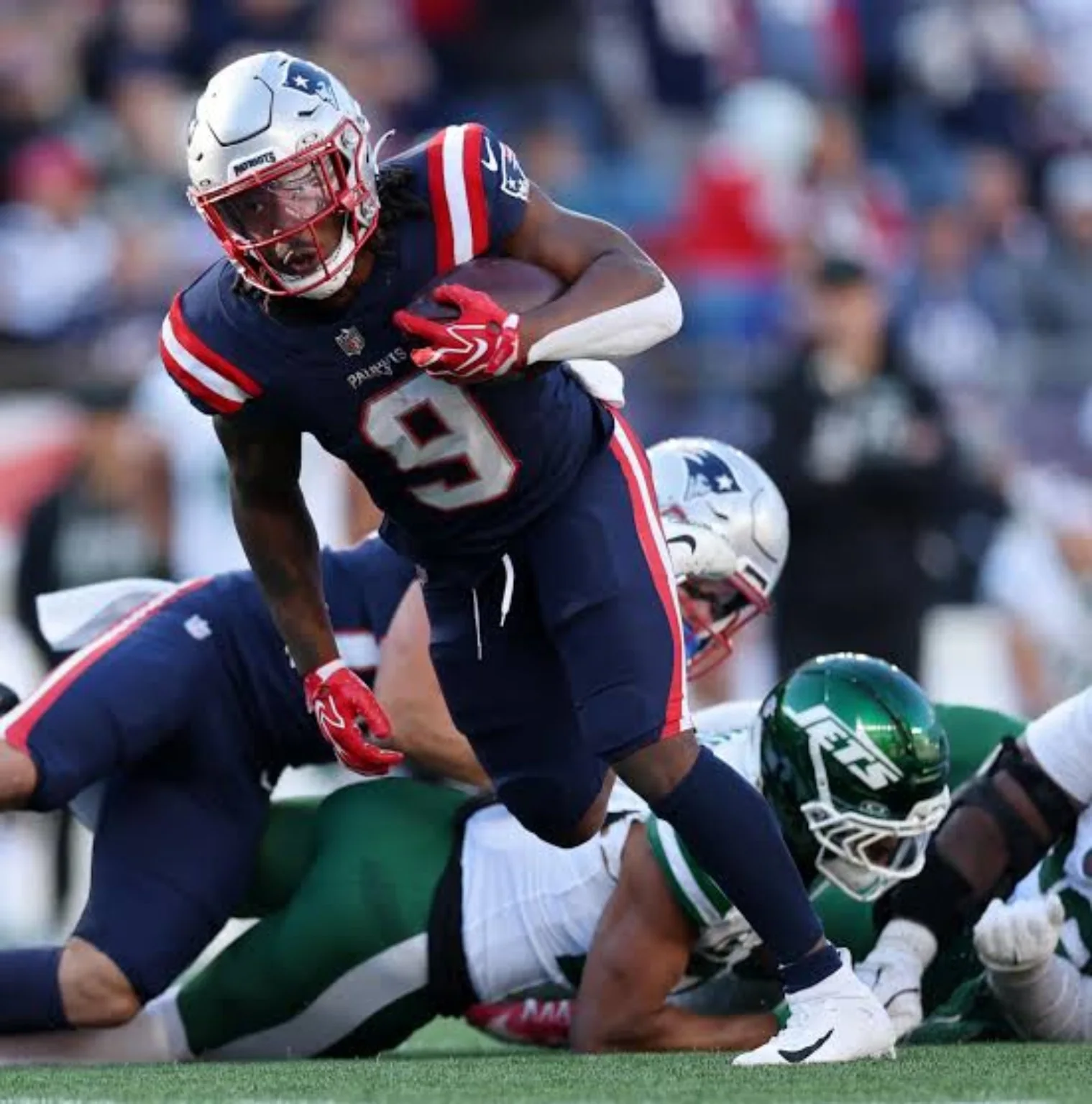
New England Patriots player carrying the ball against the New York Jets
4DK WEEK 6 • JETS / PATRIOTS • PHOTOGRAPH PROVIDED FOR THIS RECAP
4DK NFL game-week editorial photograph for Maye Moves The Chains. The Jets Keep Wasting Theirs.
4DK NFL archive photograph · Week 6 editorial context.
Drake Maye: 3 PASS TD | New England: 383 TOTAL YDS · 22 FIRST DOWNS

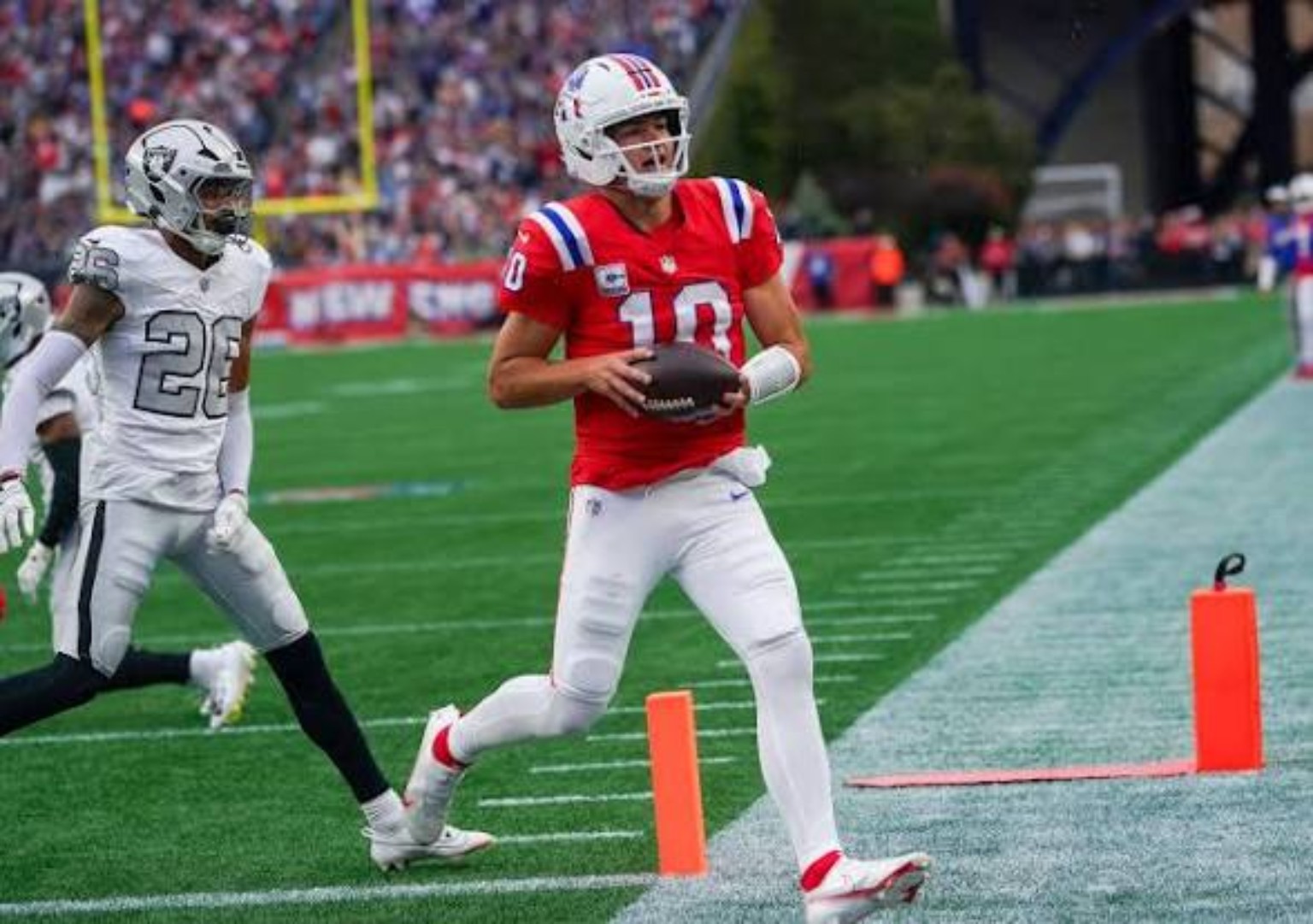
New England established the game plan early through defense. The Patriots turned away two Jets fourth-down tries and used the stolen possessions to build a 17–3 lead. Mike Vrabel's group was not perfect, especially with fumbles and in-game offensive line injuries, but it repeatedly found the play it needed when the Jets threatened to change the script. Drake Maye moved the ball for 383 team yards and 22 first downs, throwing three touchdowns. The key difference was not an uninterrupted parade of big plays: it was his third-down execution, including two touchdown passes on that down. Maye has started to look like a player who can solve pressure and coverage problems rather than merely flash talent.

The Jets were competitive in flashes. Geno Smith's 48-yard connection to Omar Cooper Jr. was the kind of decisive vertical throw that can swing a tight game, and Braelon Allen ran with force through first contact. But New York went 0-for-2 on fourth down, 3-for-10 on third down and failed to score touchdowns on three red-zone visits. Each missed chance left New England able to survive its own errors. Geno also threw his first interception of the season. The offense has enough individual ability to threaten opponents; it has not learned to turn that into dependable situational football.

A.J. Brown's return from injury looked rusty: three catches for 27 yards on a team-leading 10 targets, with several drops. That left valuable yardage unused, but it also puts Maye's performance in context. This wasn't a fully healthy, perfectly synchronized offense and it still found winning plays. Corey Kiner gave the Patriots an efficient rushing spark with 57 yards on 11 carries. For the Jets, aggression on fourth down is not inherently the problem. Calling the right play, winning at the point of attack and finishing drives are.

4DK VERDICT

Maye is doing more with imperfect circumstances than many established quarterbacks. New England has a competitive identity at 4–2. The Jets are collecting avoidable losses through situational execution.

06
EARLY WINDOW • NFC

NEW ORLEANS SCORES 34 STRAIGHT—THEN ALMOST GIVES IT AWAY

SAINTS 34 · GIANTS 27
New Orleans 2–4 · New York 3–2–1

This wasn't a Jaxson Dart game. Dart was out with his knee injury. New York started Jameis Winston and later turned to J.J. McCarthy, and that quarterback change gave the fourth quarter an entirely different temperature.

Tyler Shough: 4 TOTAL TD | J.J. McCarthy: 243 PASS YDS OFF THE BENCH

New Orleans began like a team that was going to lose on the road without putting up a fight. Three straight punts, only 16 yards on the first three drives and an additional missed field goal had the Saints down 10–0. Then the final 78 seconds of the first half changed everything. Daniel Carlson connected from 58 yards, the Saints recovered a fumble on the kickoff, Tyler Shough scrambled 25 yards to the Giants' three, and Kellen Moore stayed aggressive on fourth down with five seconds remaining. Shough found rookie Bryce Lance for a touchdown that tied it 10–10. New Orleans immediately drove for another touchdown after receiving the second-half kickoff and eventually reeled off 34 unanswered points.

The Giants' quarterback situation became the story. Jameis Winston threw for 152 yards and a touchdown but was intercepted twice and benched with New York down 24 in the fourth quarter. In came J.J. McCarthy—acquired via trade in September—and initially his own interception looked like more of the same. Instead, McCarthy generated three scoring drives with urgency and vertical aggression, finishing 11-of-21 for 243 yards, a touchdown and a pick in limited duty. He almost authored a stunning finish, but on fourth-and-one from the 14 he missed a well-covered Isaiah Likely in the end zone. That's the difference between 'late spark' and 'impossible comeback.'

New Orleans' defense created four takeaways and five sacks, with Martin Emerson intercepting two passes and Chase Young joining Carl Granderson for 1.5 sacks apiece. Yet the Saints' own offense managed only 20 yards over its final four possessions before the kneeldown, repeatedly handing the ball back while McCarthy heated up. Shough's four total touchdowns and the second-half surge were real positives. So was the narrow escape. But if New Orleans wants to stop living in crisis mode, it cannot score 34 straight and still need a last-play stand to avoid disaster.

4DK VERDICT

The Saints earned this comeback and almost threw it away. The Giants must evaluate McCarthy's fourth-quarter spark without ignoring Winston's costly errors or pretending Dart was available.

07
EARLY WINDOW • NFC

CAROLINA RUNS THROUGH PHILADELPHIA’S MARGIN FOR ERROR

PANTHERS 25 · EAGLES 14
Carolina 3–2 · Philadelphia 2–4

Carolina did not need a perfect Bryce Young game. It needed its quarterback to avoid giveaways and Chuba Hubbard to keep punishing a depleted defense.

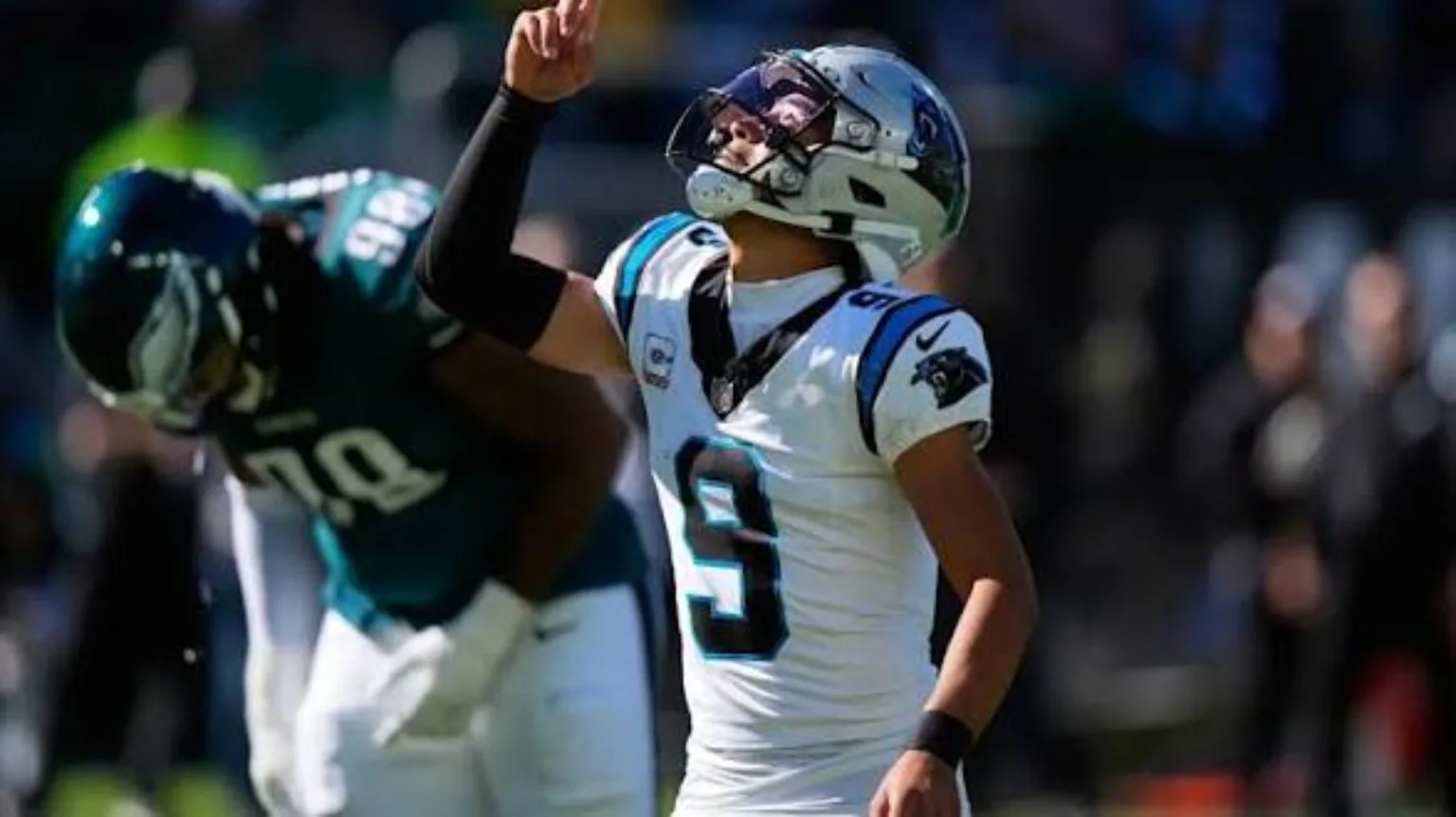
Carolina Panthers quarterback on the football field with Philadelphia Eagles player nearby
4DK WEEK 6 • PANTHERS / EAGLES • PHOTOGRAPH PROVIDED FOR THIS RECAP
Bryce Young: 281 PASS YDS · 2 TD | Chuba Hubbard: 120 RUSH YDS · TD

The Panthers won this game through patience more than spectacle. Bryce Young went 20-of-39 for 281 yards and two touchdowns, a completion rate that tells you Carolina did not have every answer on each possession. But he avoided the back-breaking turnover, worked the middle of the field and let the offense continue stacking first downs. When the passing game stalled, Chuba Hubbard became the stabilizer: 28 carries for 120 yards and a touchdown. His physical runs repeatedly created positive plays even after initial contact, and his 19-yard conversion on fourth-and-one during the third quarter helped Carolina extend the margin. That willingness to trust the run in a high-leverage moment is part of the identity Dave Canales is trying to build.

Philadelphia was running an emergency offense. Jalen Hurts was on injured reserve, Tanner McKee was starting, the offensive line was shuffled and the running back group was depleted. McKee struggled with timing and ball placement for three quarters, particularly when Carolina applied pressure, eventually finishing 26-of-45 for 215 yards and one touchdown. Philly managed just 35 rushing yards. Without any credible early-down run threat, every third down felt like McKee being asked to solve the entire defense by himself. The fourth-quarter attempts to force the ball to DeVonta Smith gave the Eagles a pulse—Smith finished with seven catches, 75 yards and a TD—but it arrived too late.

Defensive coordinator Ejiro Evero did not allow McKee to settle into easy throws. Bobby Okereke and Devin Lloyd pressured from the interior linebacker level, while Tre'von Moehrig joined the attack. Philadelphia's defense kept the game within reach for stretches; eventually its exhausted unit could not keep absorbing short possessions from the other side. The Eagles have now lost four straight. Injuries explain the limits, but a contender still has to find an identity when its preferred starters are unavailable.

4DK VERDICT

Carolina is playing grown-up situational football. Philadelphia's season is trending toward crisis; McKee's late improvement doesn't erase three quarters of broken offensive rhythm.

08
EARLY WINDOW • OVERTIME

PITTSBURGH STOLE THIS ONE WITH DEFENSE—THEN FINISHED IT.

STEELERS 26 · BUCCANEERS 19 (OT)
Pittsburgh 4–2 · Tampa Bay 1–5

The Steelers looked out of answers entering the fourth quarter. Their defense and an unexpected rookie receiver gave them one more life.

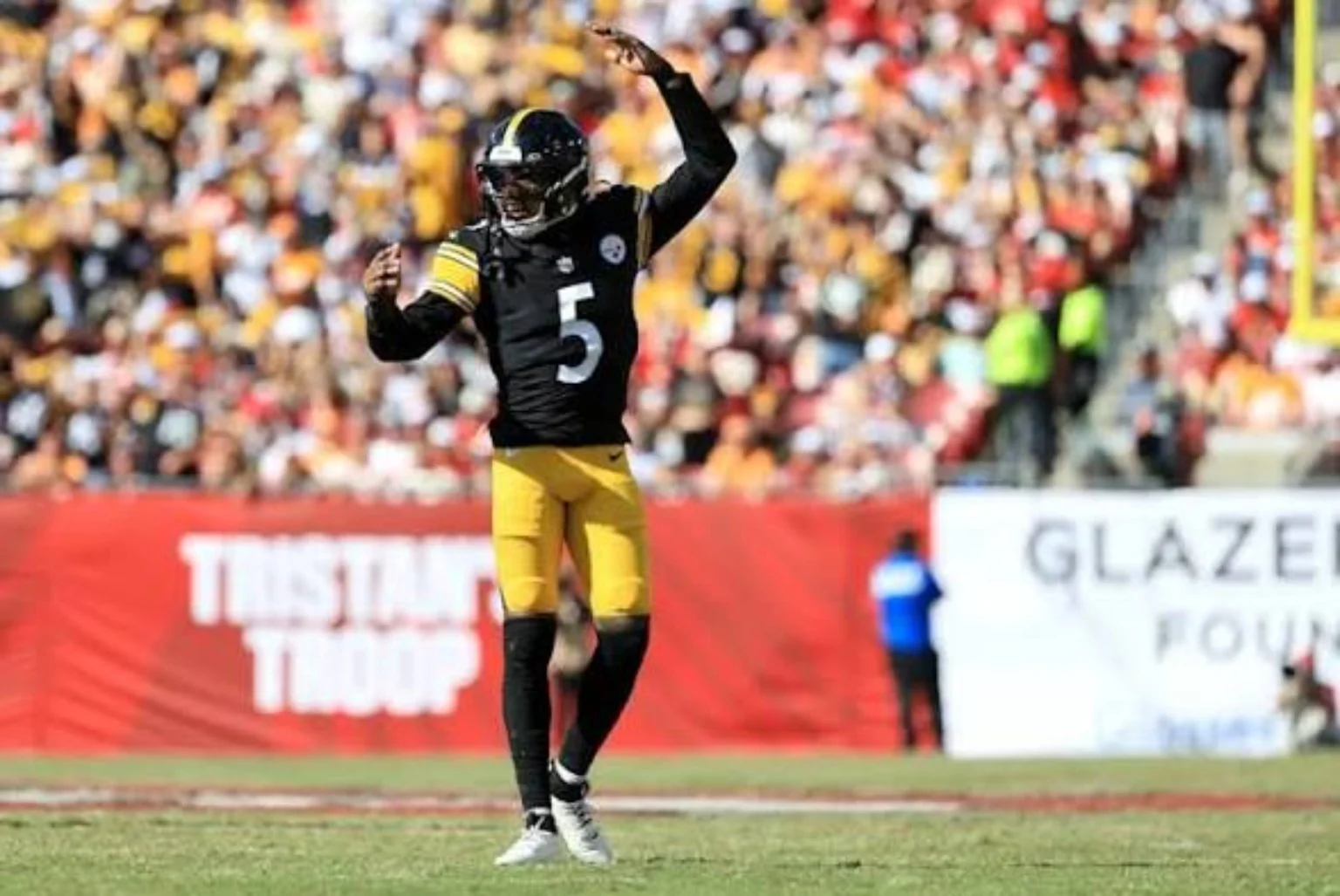
Pittsburgh Steelers quarterback on the field
4DK WEEK 6 • STEELERS / BUCCANEERS • PHOTOGRAPH PROVIDED FOR THIS RECAP
4DK NFL game-week editorial photograph for Pittsburgh Stole This One With Defense—Then Finished It.
4DK NFL archive photograph · Week 6 editorial context.
Jalen Ramsey: 10 TACKLES · 2 SACKS | Germie Bernard: 11 REC · 87 YDS · GAME-WINNING TD

This was the sort of performance that explains why Pittsburgh can be both difficult to trust and difficult to finish off. For three quarters the offense operated in fragments. Aaron Rodgers and Mike McCarthy could not string together enough productive possessions, and the Steelers had drifted away from the rushing emphasis that should keep Jaylen Warren involved. Tampa Bay, playing behind undrafted rookie Jalon Daniels in place of Baker Mayfield, had a 16–3 lead entering the fourth and the chance to turn a solid defensive afternoon into an important win.

Then the Steelers' defense changed the math. Rookie corner Daylen Everette intercepted Daniels; former Tampa Bay defensive back Jamel Dean added another pick and nearly housed it. Those takeaways created points and field position, and suddenly Rodgers was not being asked to march the entire length of the field against a defense that had controlled him. Rookie receiver Germie Bernard repaired an earlier fourth-down mistake by becoming a reliable short-area target. His production mattered because it solved a practical problem for the offense: who could take the ball quickly, keep the chains moving and let Rodgers stay in rhythm? Bernard caught 11 passes for 87 yards and later stretched a screen across the goal line for the overtime winner.

Jalen Ramsey delivered a performance that deserves its own headline: 10 tackles, two sacks and the final fourth-down overtime sack of Daniels. Tampa still deserves credit for Daniels' courage and a drive to force overtime after the Steelers seized the lead, but the interceptions were a major part of the collapse. When you play through a backup quarterback, the margin for error is smaller. The Buccaneers gave their opponent short fields just when the game needed to be slowed. Pittsburgh will celebrate 4–2, but its offensive inconsistency can't keep being rescued by takeaways.

4DK VERDICT

Ramsey was an impact player, Bernard was a revelation, and the Steelers stole a win they hadn't earned through three quarters. Tampa's competitive fight deserves recognition, but late quarterback mistakes cost the game.

09
LATE WINDOW • NFC WEST

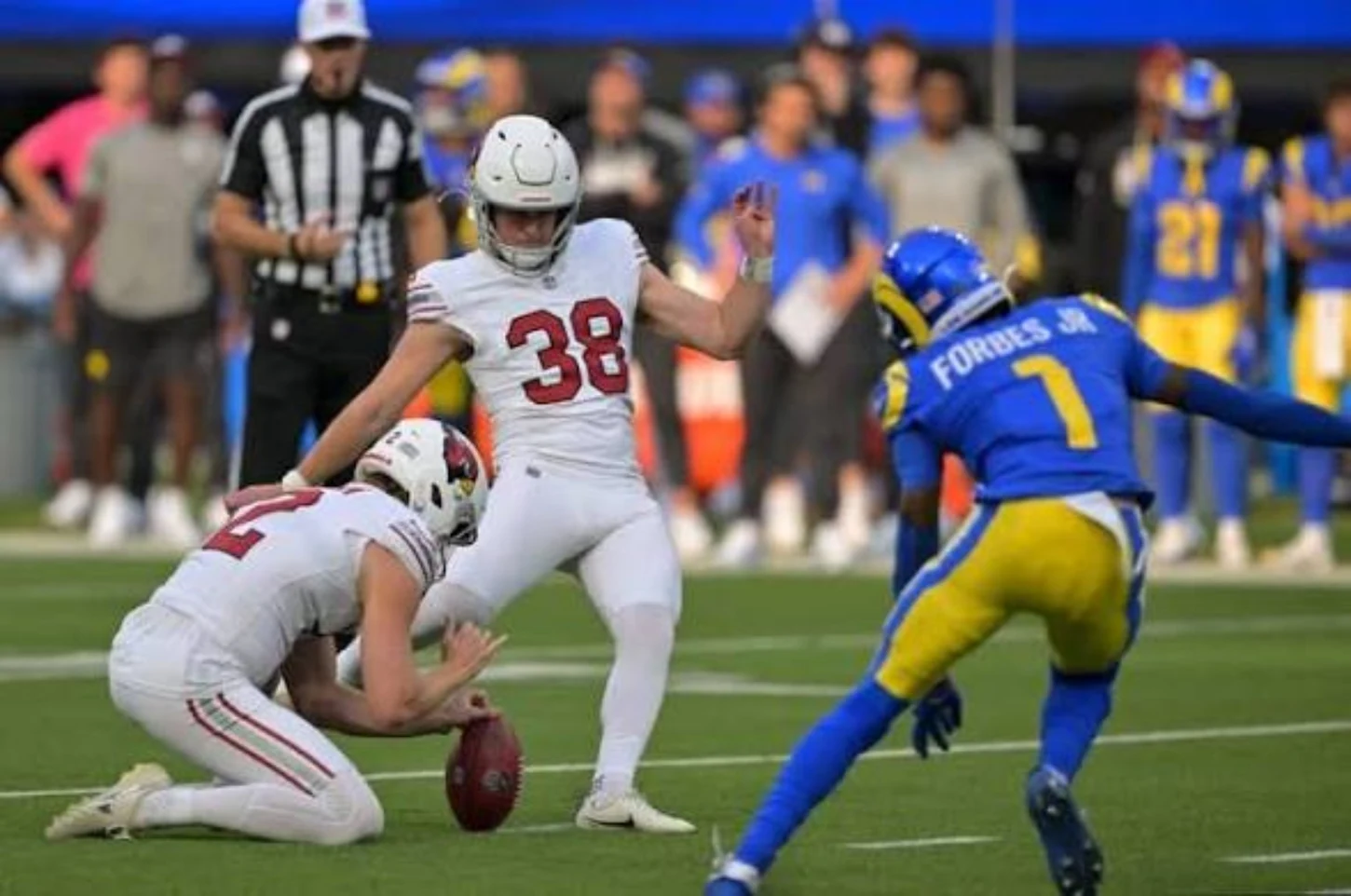
THE RAMS ARE IN TROUBLE. WE OWN THE 14–3 RECEIPT.

CARDINALS 18 · RAMS 16
Arizona 2–4 · Los Angeles 2–4

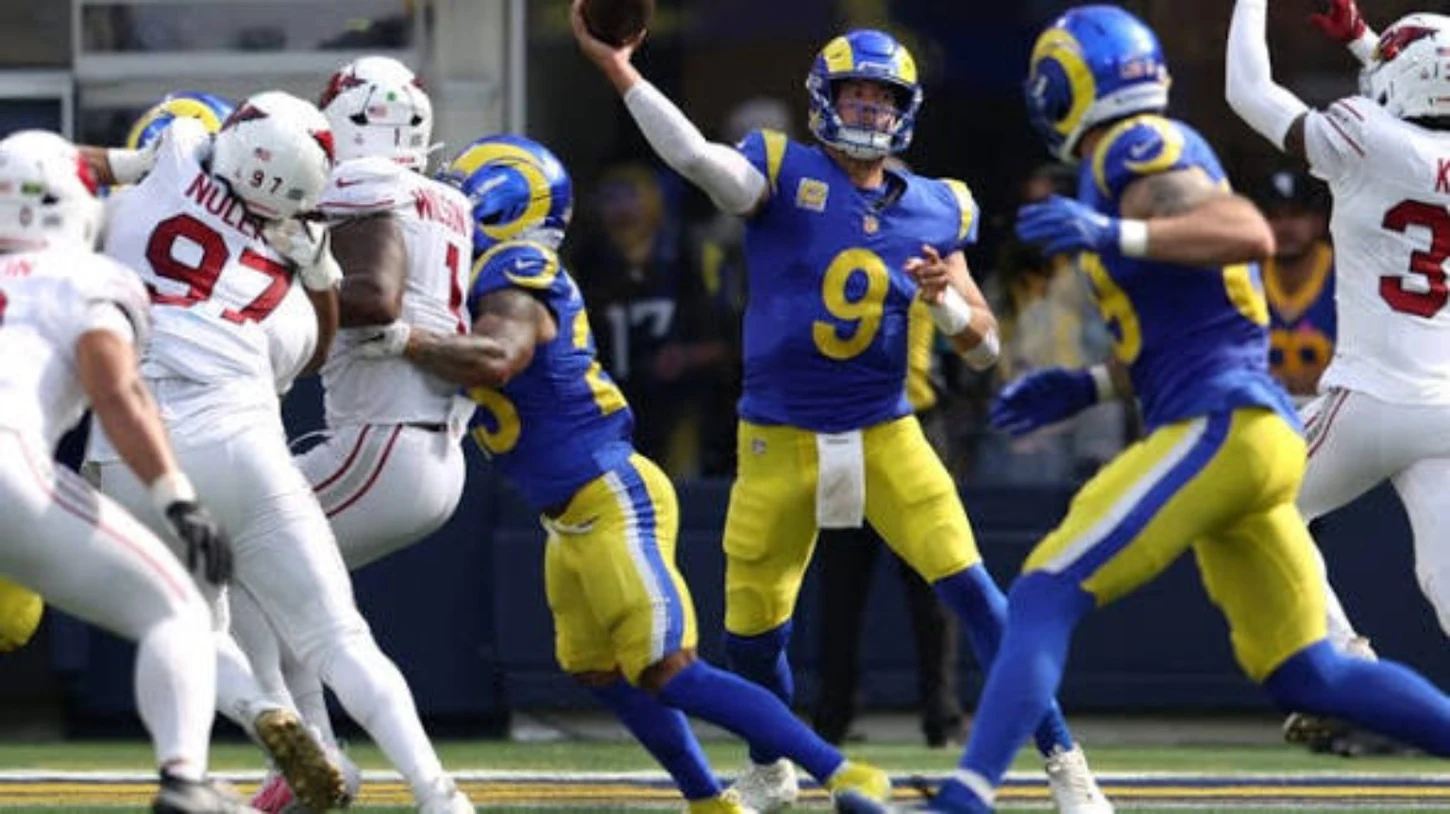
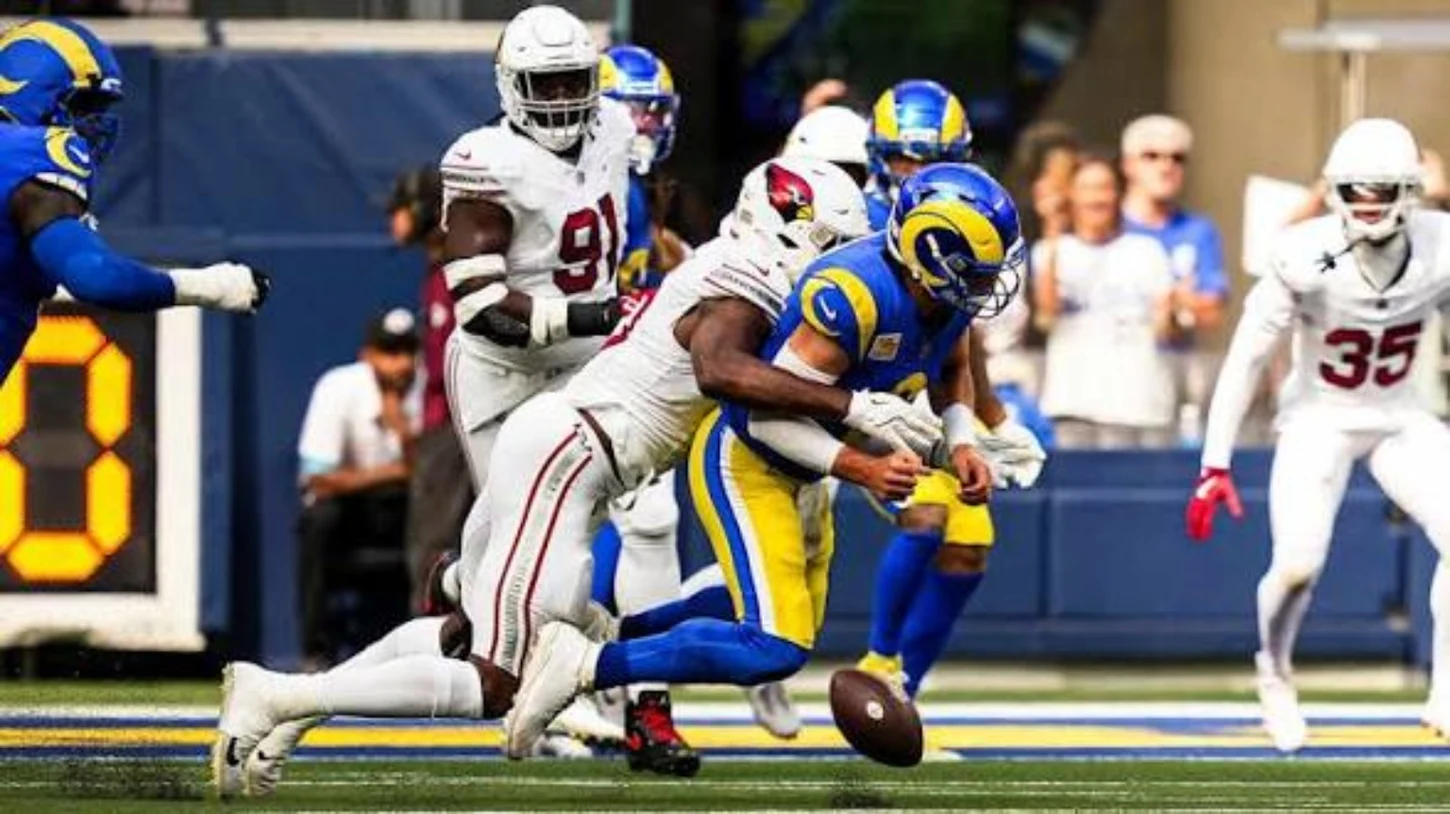
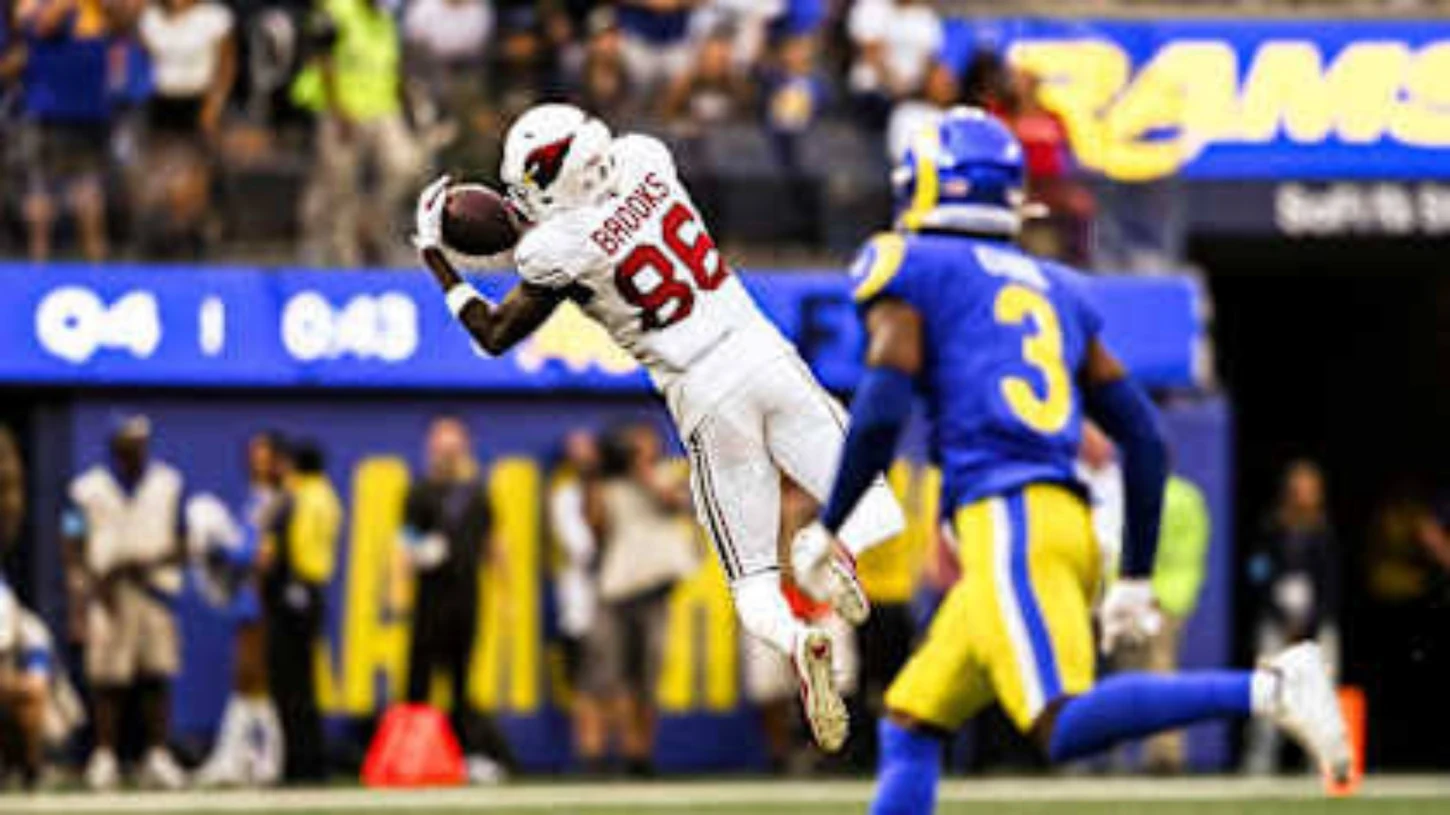
Arizona won at SoFi without scoring a touchdown. The Rams are 2–4 and our 14–3 preseason prediction is mathematically finished after just six games.

4DK NFL game-week editorial photograph for The Rams Are In Trouble. We Own The 14–3 Receipt.
4DK NFL archive photograph · Week 6 editorial context.
Chad Ryland: 6/6 FIELD GOALS | Rams: 286 TOTAL YDS | Stafford: 222 PASS YDS · 2 TD

This was the game that turned concern into alarm. Arizona had spent most of the season giving up too much ground and too many points, yet Nick Rallis' defense gave Matthew Stafford little room to operate. The Cardinals pressured Stafford 18 times, played aggressively behind blitz looks and forced Los Angeles to take the long way around the field. Stafford completed 25 of 33 for 222 yards and two touchdowns; Puka Nacua caught six for 80. Those numbers look respectable until you account for just 286 total Rams yards and an offense that scored on only three of ten drives against a vulnerable defense. Arizona produced 338 yards and settled for six field goals, going 0-for-5 in the red zone. Yet somehow those six kicks were enough.

The game's wildest detail was the late sequence. Los Angeles finally went ahead 16–15 on Stafford's touchdown to Colby Parkinson and Ethan Evans' extra point, because new kicker Blake Grupe had exited with a knee injury. With 47 seconds left, the game appeared rescued. Arizona needed almost no time to force one last chance: Jacoby Brissett completed a chunk throw and the Rams added a personal-foul penalty. Chad Ryland hit his sixth field goal, from 43 yards, as the clock ran out. Los Angeles' defense kept the Cardinals out of the end zone and still failed in the moment when one stop decided everything. That's a special kind of frustration for a team built to contend now.

4DK projected the Rams to go 14–3, win the West and take the NFC's top seed. Four defeats end that exact record. San Francisco is 5–0 entering Monday, Arizona now holds a direct head-to-head edge and the Rams sit last in the division. The injuries to Myles Garrett and Trent McDuffie are meaningful, but they do not excuse 16 home points against Arizona. We already published the full emergency feature; the Sunday recap belongs beside it as a broader reminder that a stacked depth chart does not entitle a team to a single victory.

4DK VERDICT

This is the day's most damaging loss. Sean McVay and Stafford still have talent, but they have lost control of their division race and must stop relying on future potential to justify the preseason hype.

10
LATE WINDOW • AFC WEST

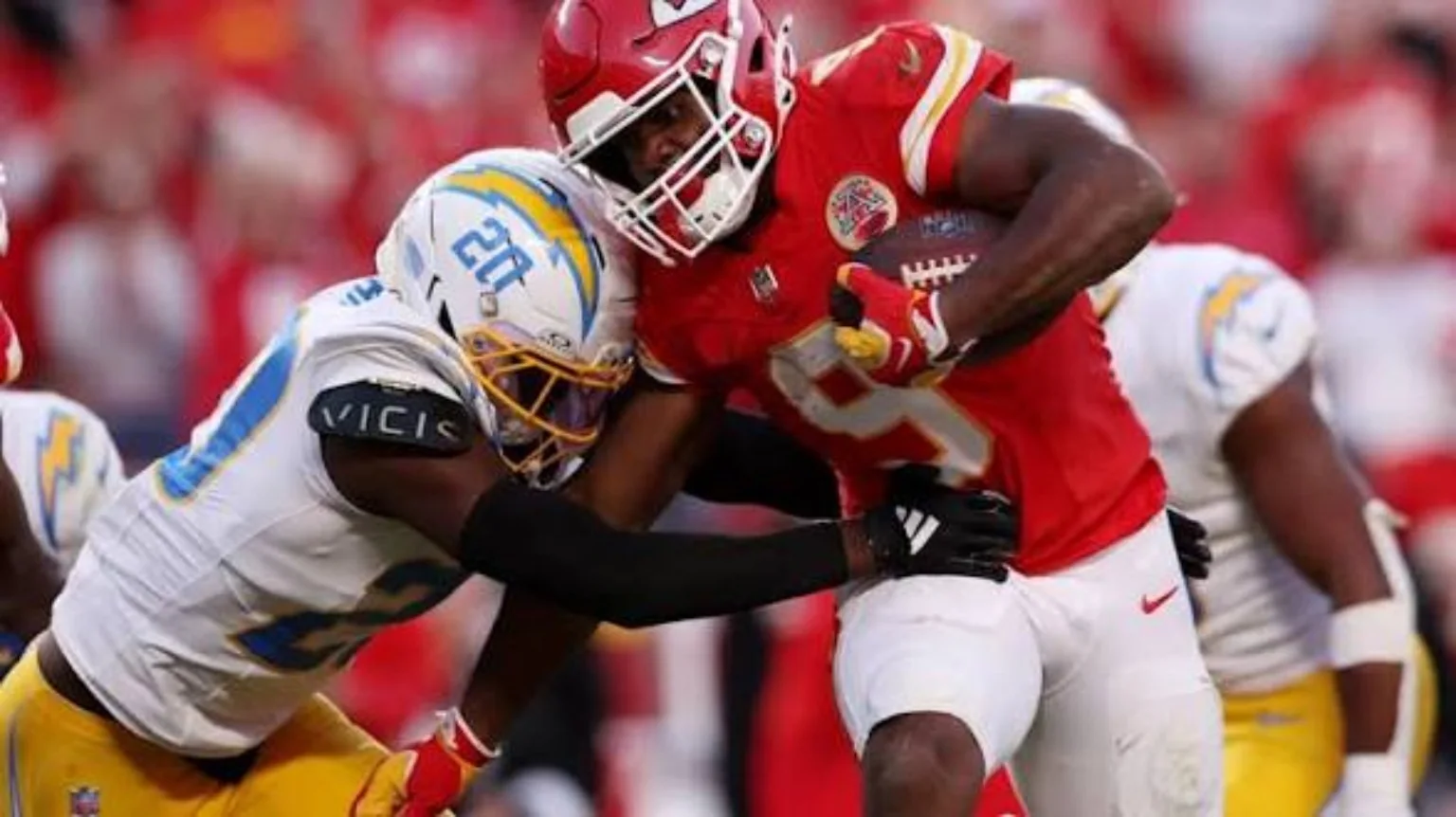
WALKER RUNS. KANSAS CITY STAYS UNBEATEN.

CHIEFS 22 · CHARGERS 6
Kansas City 5–0 · Los Angeles 0–6

The Chiefs did not need Patrick Mahomes to put on a passing clinic. They ran at the Chargers and made Los Angeles' offensive-line crisis impossible to hide.

Kansas City Chiefs ball carrier breaking a tackle against the Los Angeles Chargers
4DK WEEK 6 • CHARGERS / CHIEFS • PHOTOGRAPH PROVIDED FOR THIS RECAP
4DK NFL game-week editorial photograph for Walker Runs. Kansas City Stays Unbeaten.
4DK NFL archive photograph · Week 6 editorial context.
Kenneth Walker III: 19 CARRIES · 128 RUSH YDS · 2 TD | Chiefs: 4 SACKS

Kansas City has a different offensive dimension when Kenneth Walker III gets to dictate the physical terms. He carried 19 times for 128 yards and two touchdowns, repeatedly waiting for blocks to form before changing direction and attacking cutback lanes. Against a Chargers defense that was able to keep much of the passing game in check, the ability to produce efficient, touchdown-level rushes meant Mahomes did not have to solve every third down himself. That's the difference between an offense powered by its quarterback and one with a real championship floor. At 5–0, Kansas City continues to find different ways to win.

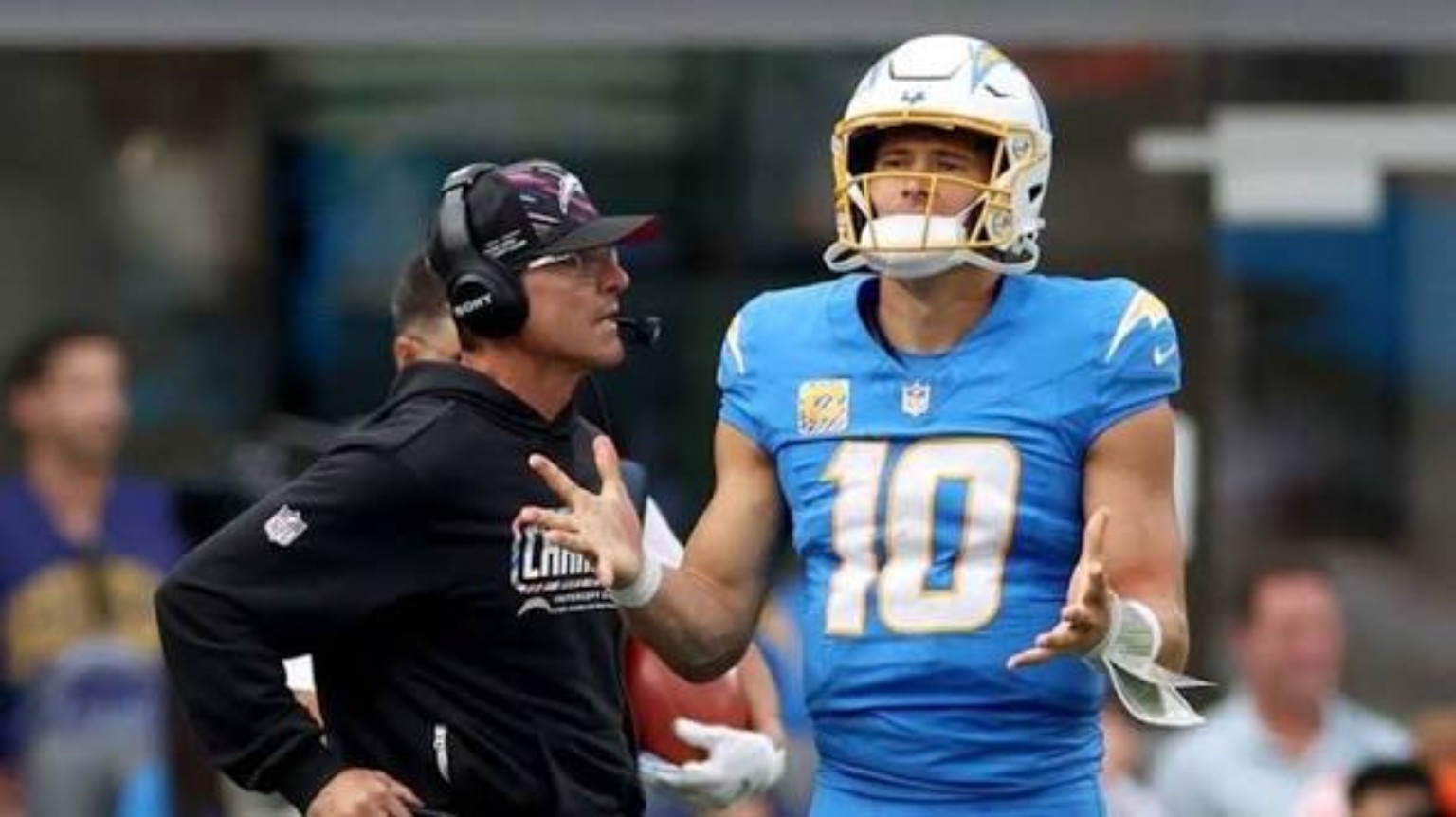
On the other sideline, Justin Herbert worked behind an offensive line so battered that the pass rush became the entire story. The Chiefs had gone three games without a sack, then recorded four against Los Angeles with a pressure rate approaching 40 percent. George Karlaftis alone was credited with eight pressures. Herbert was occasionally guilty of holding the ball too long, but there is no responsible way to analyze his afternoon without discussing the protection. There was no dependable run game—only 73 net rushing yards, with Herbert himself supplying 26—and almost every drive felt one missed block away from ending.

The best illustration came when Herbert fired a beautiful 57-yard pass to Quentin Johnston down to Kansas City's one-yard line. Los Angeles settled for a field goal. A team that cannot convert that level of quarterback precision into seven points will struggle to compete with anybody, much less an undefeated division opponent. There is a mild Chiefs concern as well: Harrison Butker missed an extra point and another field goal in windy conditions. But unlike Los Angeles, Kansas City can survive its kicking errors because the rest of the operation is functional.

4DK VERDICT

Walker is expanding the Chiefs' title-level formula. Herbert's talent remains visible, but the 0–6 Chargers have a crisis in the trenches and a red-zone offense that can't finish.

11
LATE WINDOW • AFC EAST/WEST

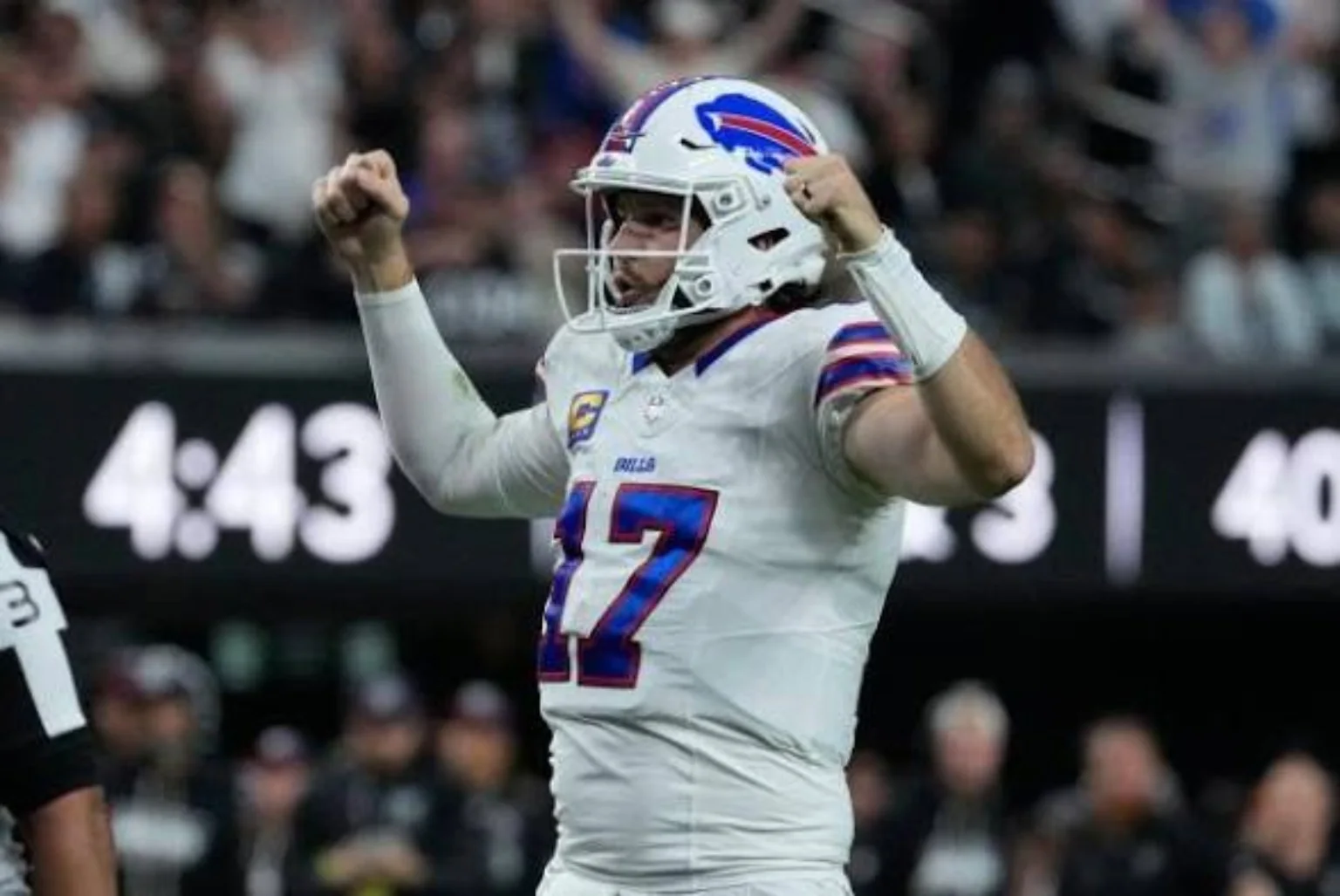
ALLEN SOLVES VEGAS. THE RAIDERS KEEP CHASING.

BILLS 33 · RAIDERS 30
Buffalo 5–1 · Las Vegas 3–3

Las Vegas finally fought back like a competitive team, but Josh Allen kept finding answers in the moments that separate an MVP quarterback from a good one.

Buffalo Bills quarterback Josh Allen celebrating during a game
4DK WEEK 6 • BILLS / RAIDERS • PHOTOGRAPH PROVIDED FOR THIS RECAP
Josh Allen: 255 PASS YDS · 2 TD | James Cook: 153 SCRIMMAGE YDS · TD | Tre Tucker: 2 TD

Buffalo's 33–30 road win was not built on Allen running through defenders all afternoon. Maxx Crosby and the Raiders' rush mostly kept him in the pocket, limiting the quarterback to one rushing yard on five attempts. Allen adjusted by trusting timing, moving in the pocket to throw and avoiding the kind of desperate turnover that could have flipped a close game. His most memorable play came on third-and-eight inside the Vegas red zone: Allen escaped bodies in the backfield, sold the possibility of a scramble and floated a touchdown to Keon Coleman after defenders abandoned coverage. The game looked like Josh Allen at his most dangerous precisely because the designed run wasn't there and he still solved the picture.

James Cook rebounded from his costly fumble game against the Rams with 153 yards from scrimmage and a touchdown on 25 touches, giving Joe Brady a legitimate second source of stress for the defense. Buffalo scored 20 second-half points and forced the Raiders to keep answering. Kirk Cousins did enough to keep Vegas alive—313 passing yards, two touchdowns and a pick—and Tre Tucker's second touchdown, a 44-yard fourth-quarter shot, cut the deficit to three late. The failed onside kick sealed it. The score was close, but Vegas spent too long reacting to what the Bills did rather than imposing its own preferred script.

The hidden matchup was Christian Benford against Brock Bowers. Buffalo used the corner to follow the star tight end in man coverage, and Bowers didn't register a catch until late in the third. He later found openings against zone coverage, but Buffalo had already dictated his involvement for much of the day. Ashton Jeanty scored his first rushing touchdown of the season, yet Vegas finished with only 65 rushing yards, and penalties plus a 2-for-5 red-zone conversion rate cost them too many points. Three consecutive losses leave the Raiders back at .500 in a division led by an unbeaten Chiefs team.

4DK VERDICT

Allen deserves major MVP consideration for control, adjustment and closing. Vegas has a competitive quarterback and weapons, but situational discipline and inefficient rushing keep turning opportunities into losses.

12
SUNDAY NIGHT FOOTBALL • THE FULL 4DK FILM ROOM

DALLAS HAS A PROBLEM. GREEN BAY HAS AN IDENTITY.

PACKERS 23 · COWBOYS 13
Green Bay 4–2 · Dallas 2–4 · Lambeau Field

Dallas came to Lambeau needing proof it could still trust its offense in a major game. Instead, the Cowboys scored nothing in the first half, turned two red-zone possessions into interceptions and spent the rest of Sunday night chasing a Packers team that looked far more comfortable in the moments that decide football games.

Green Bay Packers player reaching to catch the ball with a Dallas Cowboys defender nearby
4DK WEEK 6 • COWBOYS / PACKERS • PHOTOGRAPH PROVIDED FOR THIS RECAP
4DK SUNDAY NIGHT SPECIAL • THE DRIVE-BY-DRIVE ACCOUNT
DAK PRESCOTT34/54 · 258 YDS · 1 TD · 2 INTJORDAN LOVE23/41 · 276 YDS · PASS TD + RUSH TD · 1 INTMATTHEW GOLDEN6 REC · 104 YDS · 1 TDJAVONTE WILLIAMS11 ATT · 41 YDS · 1 TD
THE FOUR QUARTERS
TEAMQ1Q2Q3Q4FINAL
GB7103323
DAL007613

01 / THE OPENING DRIVE: GREEN BAY MADE THIRD DOWN LOOK LIKE FIRST DOWN.

Jordan Love opened the game with the kind of possession Dallas spent the entire night trying to manufacture: fourteen plays, ninety yards, six and a half minutes, four third-down conversions and seven points. Christian Watson split open the middle for 27 yards on third-and-13. Matthew Golden attacked DaRon Bland down the sideline for 37. Pierre Strong Jr. turned a third-and-13 checkdown into a 14-yard conversion. And when Dallas finally got Green Bay into third-and-six near the end zone, Love put a nine-yard touchdown throw on Golden. This was more than an efficient script. It was Green Bay announcing that Dallas would have to win multiple downs to get off the field—and then watching Dallas fail the assignment four times on the first possession.

That sequence says plenty about the Cowboys defense, too. Dallas entered the night under scrutiny for its third-down coverage and its inability to consistently disrupt quarterbacks. The Packers did not need to break one spectacular 70-yard play. They repeatedly survived disadvantageous down-and-distance, used Watson's intermediate burst to move defenders and trusted Love to identify the answer. A team with Dallas's offensive weapons cannot keep asking its defense to survive long, clean opponent drives while its own possessions end in three-and-outs and mistakes.

02 / DALLAS GOT ITS OPENING. THEN THE RED ZONE TURNED INTO A TRAP.

Green Bay was not mistake-free. Dee Winters intercepted Love late in the first quarter, giving Dallas the ball on the Packers' side of the field. That should have been the moment the Cowboys settled down. CeeDee Lamb helped move the offense inside the 20, but an A-gap blitz brought Zaire Franklin through untouched to hit Prescott and force an incompletion. On the next snap, Evan Williams read the throw intended for Lamb and intercepted it. Dallas took a gift of field position and handed it straight back. That is the difference between a team capable of moving the chains and one capable of cashing in.

The same mistake resurfaced in the second quarter. Dallas found some footing with Javonte Williams on the ground and a 16-yard completion to George Pickens, but a holding penalty erased progress. Then, as Lamb slipped on the route, rookie Brandon Cisse secured Prescott's second interception of the night and returned it deep into Green Bay territory. Lamb's slip matters; not every interception is an identical quarterback error. But the larger pattern cannot be explained away. The Cowboys had two meaningful opportunities in scoring range and left with nothing. One quarterback mistake, one breakdown in spacing or timing, one untimely flag—it all landed on the same scoreboard: zero.

03 / SEVENTEEN TO NOTHING: GREEN BAY'S BEST FOOTBALL WAS SITUATIONAL.

Love's own numbers were hardly flawless, but he managed the decisive possessions with far better command than Dallas. After the first Prescott pick, Green Bay drove far enough for Trey Smack's 25-yard field goal. Watson worked open for a 38-yard gain and Golden nearly added a touchdown before dropping the ball. A possession that could have produced more still produced three. After the Cisse interception, Green Bay converted again, gained help from defensive pass interference, and Love pushed across the goal line on a one-yard keeper with 23 seconds remaining in the half. The Packers had turned Dallas's failures into a 17–0 lead by intermission.

The third-down story extended well beyond the first series. Love trusted Tucker Kraft on a pivotal fourth down, took what the defense gave him and let receivers create separation on routes that demanded quick decisions. Green Bay eventually converted eleven third downs on the night. Its offensive line and running game were not overwhelmingly dominant, but the passing structure kept drives alive. In a week defined by late mistakes around the league, Matt LaFleur's offense was organized enough to keep Dallas chasing the next stop without getting it.

04 / THE SECOND-HALF RESPONSE CAME. THE COUNTERPUNCH DID NOT.

The Cowboys were not completely shut out of the second half. After a Green Bay punt, Prescott found Lamb for 17 yards on a fourth-and-two slant and Javonte Williams eventually powered in from a yard to make it 17–7 with 9:19 left in the third quarter. That was the blueprint Dallas needed from the beginning: use manageable down-and-distance, let Lamb win cleanly at the sticks and involve the running back before the scoreboard forces every snap through the quarterback's arm.

But Green Bay had an answer ready. With the Packers facing fourth down near midfield, Kraft worked across the formation for a 14-yard catch that kept the next drive alive. A near-touchdown throw to Watson fell incomplete, yet Smack's 44-yard field goal still pushed the lead back to thirteen points. Later, Smack added a 29-yarder to make it 23–7. Dallas finally got a six-yard Prescott touchdown throw to Ryan Flournoy in the fourth, but the failed two-point attempt left the final margin at ten. The late score narrowed the result without changing who had dictated the important stretches.

05 / WHY DALLAS'S OFFENSE LOOKED SO BAD.

Start with the imbalance. Prescott threw 54 passes; Williams carried eleven times for 41 yards. Some of that disparity comes from playing from behind, and it would be too simple to pretend Dallas could have solved everything by running into a stacked front. Still, this team has allowed the offensive script to become the same weekly rescue exercise. When the Cowboys get behind schedule, Prescott is expected to throw them out of it. Defenses know the volume is coming, can threaten extra pressure and can crowd the timing of the in-breaking routes Lamb and Pickens need. The result is a quarterback accumulating completions without consistent scoring control.

The details were ugly: first-half penalties that created longer downs, missed assignments versus pressure, interceptions in the scoring area, and a snap that bounced off the motioning Jake Ferguson's hip. The passing game has the names, but it did not have rhythm. George Pickens led Dallas with six catches for 73 yards, while the offense struggled to stack explosive plays without stopping itself. The defense can no longer be treated as Dallas's only problem. Even against a quality opponent, thirteen points and a first-half goose egg are unacceptable for a team carrying Prescott, Lamb and Pickens.

Brian Schottenheimer deserves scrutiny because this goes beyond one quarterback's decisions. What is the base identity when opponents challenge the offensive line and disguise pressure? Why does a talented offense have so little margin for error near the goal line? And how much burden should Prescott carry when the run game has not become a consistent pressure release? The Cowboys' offensive staff acknowledged before this matchup that the group was still searching for an identity. Sunday night did not answer that search—it underlined the urgency of it.

06 / WHY GREEN BAY DESERVES MORE THAN A PASSING COMPLIMENT.

We give Green Bay credit for more than simply taking advantage of Dallas's mistakes. Jonathan Gannon's defense was disciplined enough to punish them: Franklin's pressure influenced the first interception, Williams finished it, and Cisse supplied the second takeaway even with key defenders unavailable. The coverage kept Prescott from repeatedly hitting Dallas's receivers in stride for the kind of chunk gains that change defensive play calls. The Packers forced the Cowboys to earn long drives, then turned those longer drives into opportunities for errors. On the other side, Love gave Golden a productive night and kept Green Bay's offense functional on money downs.

There are still things to clean up. Love completed 23 of 41 throws and was intercepted himself. Golden eclipsed 100 yards but let potential big scores slip away. Green Bay's ground game still has not shown the steady production that would make its offense truly complete; Pierre Strong Jr. gained only 28 yards on eleven carries. And settling for field goals instead of touchdowns can become dangerous when the competition improves. This wasn't a perfect offensive masterpiece. It was a professional win built on defense, third-down survival, opportunistic field position and the patience to protect a lead without panicking.

07 / TWO TEAMS, TWO VERY DIFFERENT DIRECTIONS.

Green Bay is 4–2, and the eye test finally matches a legitimate upward trend. Love has weapons who can stretch the field, Golden is developing into a reliable difference-maker, and the defense is taking the ball away even through injuries. But the Packers' next test is a bigger one: a trip to Detroit in Week 7. That is where a convincing home win over a flawed opponent needs to evolve into division-title-caliber football. We want to see more reliable rushing production, fewer missed scoring chances and the same third-down discipline against another physical NFC team. The record says they're in the race; the next stretch will tell us how dangerous they really are.

Dallas is now 2–4 and its next scheduled game is on the road in Philadelphia on Monday, October 26. That's a division opponent and, more importantly, a game the Cowboys cannot treat like another opportunity to talk about what this offense might become eventually. The NFC East remains unsettled, but an uneven division is not an invitation to waste October. Dallas is losing games in multiple ways: defensive inconsistency in some weeks, turnovers and broken offensive rhythm in this one. An 8–3 finish from here would get the Cowboys to 10–7. With eleven games left, that is possible in arithmetic and demanding in reality. They need sharper protection plans, a viable run-game foundation and a quarterback-receiver operation that stops burning red-zone possessions.

For Prescott, the standard remains high because the talent around him warrants it. We are not confusing two interceptions with a complete indictment of his career, and Lamb's slip contributed to one of them. But the value of veteran quarterback play is supposed to show up when things get complicated—not only when the pocket is clean and the offense is ahead. Dallas needed him and the staff to produce solutions. Green Bay produced more of them.
4DK VERDICT • WHERE THEY STAND NOW

DALLAS — THE ALARM IS REAL. At 2–4, the Cowboys are not eliminated. But a team expecting to contend cannot keep treating thirteen points, two red-zone interceptions and disjointed play-calling like isolated bad nights. If the offense doesn't find its identity fast, the season's second half will become a scramble just to stay relevant.

GREEN BAY — SOLID, WITH ANOTHER LEVEL AVAILABLE. The Packers are 4–2 because their defense is becoming trustworthy and Love is giving the offense answers in critical moments. The running game and scoring efficiency still need work, but this is starting to resemble the kind of team built to survive tight NFC games—not just win shootouts.

4DK SUNDAY NIGHTCAP • THE CULTURE CALLS IT

THE SUNDAY SUPERLATIVES.

01
PLAYER OF THE DAYCaleb Williams

Chicago’s quarterback returned from his hamstring injury and hit 30 of 36 passes for 305 yards. The Bears controlled the tempo; Williams made the offense feel whole again.

02
DEFENSIVE PERFORMANCEJalen Ramsey

Ten tackles, two sacks and the overtime fourth-down stop. His disruption turned a Tampa win into Pittsburgh’s stolen victory.

03
BIGGEST UPSETArizona over the Rams

Six field goals beat our preseason NFC No. 1. The Rams’ 14–3 forecast cannot survive a fourth loss in six games.

04
BIGGEST REGRETPhiladelphia / Indianapolis

Both made their opponents’ jobs easier. Philly’s injury-hit offense produced no ground-game support; the Colts donated turnovers and special-teams points.

05
THE PLAYFairbairn at the horn

With Trevor Lawrence and Travis Hunter dragging Jacksonville back to 31–31, Stroud’s offense created one last possession and the Texans kicker finished it.

06
THE NEW QUESTIONWho is actually safe?

The NFC West, AFC North and AFC South all tightened or changed direction. Six games into the season, preseason rank does not buy anybody a win.

THE WEEK IS NOT OVER

MONDAY: THE 49ERS CONTROL THE NEXT HEADLINE.

San Francisco goes into its Washington matchup unbeaten at 5–0, already holding a head-to-head advantage over Los Angeles. The NFC West looks very different from our preseason projection. We won't borrow a result from a game that hasn't been played. Monday Night Football gets a full standalone 4DK postgame recap after the final, and Tuesday's power rankings, MVP Watch and Rookie Watch must respect the completed Week 6 evidence.

NFL DESK →INTERACTIVE NFL HQ →RAMS EMERGENCY REPORT →