NOVEMBER 2026 · 4DK UPDATED EDITION — Current-season averages through November 2. November edition published with updated player-by-player analysis.
We started with a pool of more than 65 names and cut it down one player at a time.
That meant stars got cut. Former All-Stars got cut. Elite defenders got cut. Young players with huge upside got cut.
Because this isn’t about who has the best career. It’s about who 4DK believes is best entering the 2026–27 season.
Current ability matters most. We also weighed recent performance, postseason impact, availability, two-way value, consistency and what we expect this season. Résumé can provide context, but it cannot carry a player by itself.
That is why Kyrie can land in the 40s, why LeBron can sit outside the Top 20, why Brunson can come off a championship and Finals MVP and still barely miss the Top 4 — and why a 22-year-old can take the crown.
Victor Wembanyama

Wemby is No. 1 because the combination of present production and future ceiling has already become impossible to separate. This is not a projection based on highlights. Last season he averaged 25 points, 11.5 rebounds and more than three blocks per game, won Defensive Player of the Year and carried San Antonio deep enough into the postseason to earn Western Conference Finals MVP. At 22, he was already impacting games like a player opponents had to redesign their offense around.
Defensively, there is nobody else in the league who changes shot selection the same way. Drivers can beat the first defender and still pull the ball back because Wemby is standing near the rim. Guards who normally love floaters release them earlier. Centers rush hooks. Shooters hesitate on pull-ups because his recovery range erases space that exists against every other big. San Antonio can play aggressive perimeter defense because mistakes behind the ball are not always fatal.
Offensively, he is still unfinished—and that is the scary part. He shot 34.9 percent from three, can attack a closeout, finish lobs from impossible angles, post smaller defenders and increasingly create his own shot from the perimeter. The next step is not adding another trick. It is making the existing package more efficient: fewer loose possessions, better reads against doubles and more consistent dominance inside when teams try to guard him with size.
The Spurs have also built a real ecosystem around him. De’Aaron Fox adds downhill speed, Stephon Castle gives them another oversized creator and San Antonio can now win possessions without asking Wemby to manufacture everything. That should preserve his energy for defense and late-game offense.
Jokić is a historically great offensive center. Luka can lead the league in scoring while creating ten assists. SGA has won back-to-back MVPs. Brunson just won Finals MVP. Ranking Wemby above all of them is aggressive—but that is the point of an entering-the-season list. Right now, no player offers a more extreme combination of rim protection, scoring upside, rebounding, size, mobility and the ability to alter what the other team is willing to attempt.
The future of the league is not approaching anymore. It is already here. Entering 2026–27, 4DK is putting Victor Wembanyama at No. 1.
THE NOVEMBER 3 4DK VERDICT
The argument for Wembanyama at the summit is not built on scoring alone. His reach changes the geometry of an opponent's offense before the ball even reaches the paint, and his expanding offensive skill gives San Antonio a centerpiece on both ends. The November question is how consistently the Spurs can convert that singular defensive influence into winning possessions while his shot selection and physical workload mature.
Luka Doncic

Luka enters 2026–27 after leading the league in scoring at 33.5 points per game while adding 7.7 rebounds and 8.3 assists. The production is so enormous that it can become easy to take for granted. He controls possessions at a pace almost nobody else can match, forces switches until he finds the matchup he wants and punishes every coverage with either scoring or passing.
The Lakers are fully his team now. That clarity matters. Austin Reaves has grown into a legitimate secondary creator, Walker Kessler gives Los Angeles a vertical threat and defensive anchor, and the supporting cast can be built around Luka’s strengths instead of trying to bridge two different eras. The offense should live in high pick-and-roll, post mismatches and inverted actions that let Luka hunt smaller guards.
The argument against him at No. 1 is still defense and conditioning. Luka does not need to become an All-Defensive guard, but the effort level has to hold when playoff opponents force him into repeated actions. The other question is whether he can translate a league-leading statistical season into a top-three seed and a deep run. At this level, winning becomes part of the separation.
Offensively, there may not be a more complete player in basketball. He can lead the league in scoring, create elite three-point volume for teammates and control the final two minutes without rushing. If the Lakers become a real contender and Luka’s efficiency holds, the MVP case will write itself.
THE NOVEMBER 3 4DK VERDICT
Dončić's move to second reflects the pressure he applies to every coverage. Defenses must decide whether to concede his step-back, surrender a driving lane or rotate into the passes he sees before the help arrives. His early scoring eruption strengthens the case, but 4DK still judges the entire possession: defensive engagement, pace control and how reliably the Lakers create quality shots around his gravity.
Shai Gilgeous-Alexander

SGA has reached the point where 30 points feels routine. Last season he averaged 31.1 points on 55.3 percent shooting, won his second straight MVP and continued to play the kind of controlled, low-waste basketball that makes Oklahoma City almost impossible to speed up. He lives in the paint without relying on overpowering athleticism, gets to the line, changes pace and rarely gives a defender the same rhythm twice.
The biggest difference between Shai and many high-volume scorers is the efficiency of his decisions. He does not need ten threes a night to get to 30. He can score from the midrange, finish through contact, attack a mismatch and still keep his turnovers low enough that OKC’s defense is rarely scrambling after careless possessions. On the other end, his length and anticipation make him a real contributor rather than someone the Thunder need to hide.
Oklahoma City’s team structure also matters. Chet Holmgren protects the rim, Jalen Williams can take tough wing assignments and the roster is filled with shooting and athleticism. That means Shai can focus on being the best version of himself instead of solving every problem alone.
There is a completely legitimate case for No. 1. Back-to-back MVPs, elite efficiency and championship-level team success put him at the center of the league. The only reason 4DK gives Wemby the edge is the possibility that one player can impact the geometry of both ends of the floor in an even more extreme way.
If Shai wins a third straight MVP or takes OKC back to the Finals, nobody should be surprised. He is already in his prime, already proven and already operating with almost no obvious weakness.
THE NOVEMBER 3 4DK VERDICT
Gilgeous-Alexander slipping one spot is not a dismissal of his command. His change of speed, balance in tight spaces and ability to manufacture efficient looks remain elite. The separation from Luka is a narrow November editorial call, not a declaration that SGA has lost his edge. With Oklahoma City's rotation tested, his ability to organize possessions without forcing offense matters as much as the scoring totals.
Nikola Jokic

Jokić has nothing left to prove individually. Last season he averaged 27.7 points, led the league at 12.9 rebounds and 10.7 assists, shot 56.9 percent from the field and still produced the kind of offensive numbers that would be career peaks for almost any superstar in history. His passing is not just a skill; it is the organizing principle of Denver’s entire offense.
What makes Jokić different from almost every other great scorer is that there is no obvious way to take him out of a game. Double him and he finds the open shooter before the rotation arrives. Play him straight and he backs down smaller centers or scores with touch over bigger ones. Switch a wing onto him and Denver immediately clears the side. Drop against Murray and the two-man game creates a chain reaction that leads to a layup, a floater or a wide-open corner three.
The defense is never going to be the reason he ranks this high, but even there he survives through positioning, rebounding and anticipation better than the old stereotypes suggest. Denver’s bigger question is team context. The championship core is older, the West is deeper and every season of Jokić’s prime becomes more valuable.
Why is he only fourth? Because this is not a legacy ranking. Wemby, SGA and Luka enter 2026–27 with either greater two-way upside, fresher physical peaks or overwhelming current offensive volume. Still, if someone called Jokić the best player alive, there is no serious basketball argument that makes that opinion ridiculous. He remains one of the most complete offensive engines the sport has ever seen.
THE NOVEMBER 3 4DK VERDICT
Jokić stays in the league's smallest tier of offensive engines because his passing makes ordinary spacing dangerous. He sees cutters from angles most bigs never attempt and can punish single coverage without speeding up. Denver's early record cannot be reduced to one player's impact; the next checkpoint is whether the Nuggets stabilize their defensive possessions and surrounding shot creation while his decision-making remains the foundation.
Giannis Antetokounmpo

Giannis is still one of the most overwhelming physical forces in basketball. Even in a season limited to 36 games, he averaged 27.6 points, 9.8 rebounds and 5.4 assists while shooting an absurd 62.4 percent from the field. When he gets downhill, there is still no clean answer. Single coverage gets overwhelmed, small lineups get buried at the rim and transition defense becomes an emergency.
Miami changes the stakes. The Heat did not trade for Giannis to be competitive; they traded for him to reopen a championship window. Playing with Bam Adebayo gives Miami a defensive frontcourt capable of switching, protecting the rim and destroying the glass. The offensive fit is more complicated because both stars do their best work inside the arc. Erik Spoelstra has to create movement, screening and enough shooting around them that opponents cannot simply build a wall.
The other issue is health. Thirty-six games last season is a major data point, especially for a player whose greatness is built on force. If he is healthy, Giannis can still be the best player in a playoff series against anybody. No. 5 is not a decline statement. It is a reflection of how much availability and half-court versatility matter when the very top of the league is this loaded.
THE NOVEMBER 3 4DK VERDICT
Giannis remains a devastating transition force and paint scorer, but this ranking asks for more than raw downhill pressure. His value is greatest when the floor is balanced around him and the defense can be built around his recovery speed and help instincts. The November evaluation centers on how much of that two-way identity translates across lineups, especially when opponents crowd the lane and force half-court decisions.
Jayson Tatum

Tatum opens the Top 10 because there is still almost nothing he cannot do at an All-Star level. The strange part is that last season gave us only 16 games, so his ranking is based on what we know the complete player is rather than a normal statistical sample. In those games he averaged 21.8 points, 10 rebounds and 5.3 assists, but the 41.1 percent shooting showed the rust and disrupted rhythm.
Boston is also a different team now. Jaylen Brown is gone, which puts more creation and leadership responsibility back onto Tatum whenever he is fully available. The offense can no longer assume there is another elite wing who can carry a quarter while Tatum rests. That raises both his ceiling and his burden.
At his best, Tatum gives you size, pull-up shooting, rebounding, switchable defense and enough playmaking to run offense through him. He has already proved he can be the best player on a championship team. The only reason he is not higher is that entering this season, the players above him either had stronger 2025–26 campaigns or bring a more singular game-changing trait. If Tatum returns to full health and his normal efficiency, he can move back toward the Top 5.
THE NOVEMBER 3 4DK VERDICT
Tatum's placement recognizes the breadth of his game: a big wing who can create over defenders, defend multiple matchups and make the extra pass without disappearing from the offense. Boston's encouraging start makes the supporting cast part of the story, but his individual case still turns on availability, rhythm and late-clock shot quality. 4DK is watching the complete two-way workload rather than one hot scoring night.
Cade Cunningham

Cade has become the oversized primary creator Detroit envisioned when it drafted him first overall. He nearly averaged a double-double with 23.9 points and 9.9 assists, and the biggest difference now is how controlled the game looks. He can see over traps, manipulate the low man and use his size to keep smaller guards on his hip until a passing lane opens.
The shooting is solid enough but still leaves room for another jump. He hit 34.2 percent from three last season, and if that number moves into the high 30s defenses lose one of their last comfortable coverages. Going under screens against a 6-foot-6 playmaker who can already punish the paint would stop being an option.
Detroit’s expectations matter now. This is not a development ranking anymore. Cade is a Top-10 player because the Pistons need him to control playoff possessions, not just accumulate regular-season numbers. His next step is proving that the huge playmaking volume can remain efficient when teams scheme specifically to take away his first read.
THE NOVEMBER 3 4DK VERDICT
Cunningham has the responsibility that separates lead guards from complementary stars. Detroit asks him to read the first defender, the low man and the weak-side rotation while also getting to his own spots. His rise reflects that orchestration and his size as a creator. The next test is maintaining efficient decision-making against teams that load up on him and turning strong possessions into sustained Pistons wins.
Jalen Brunson
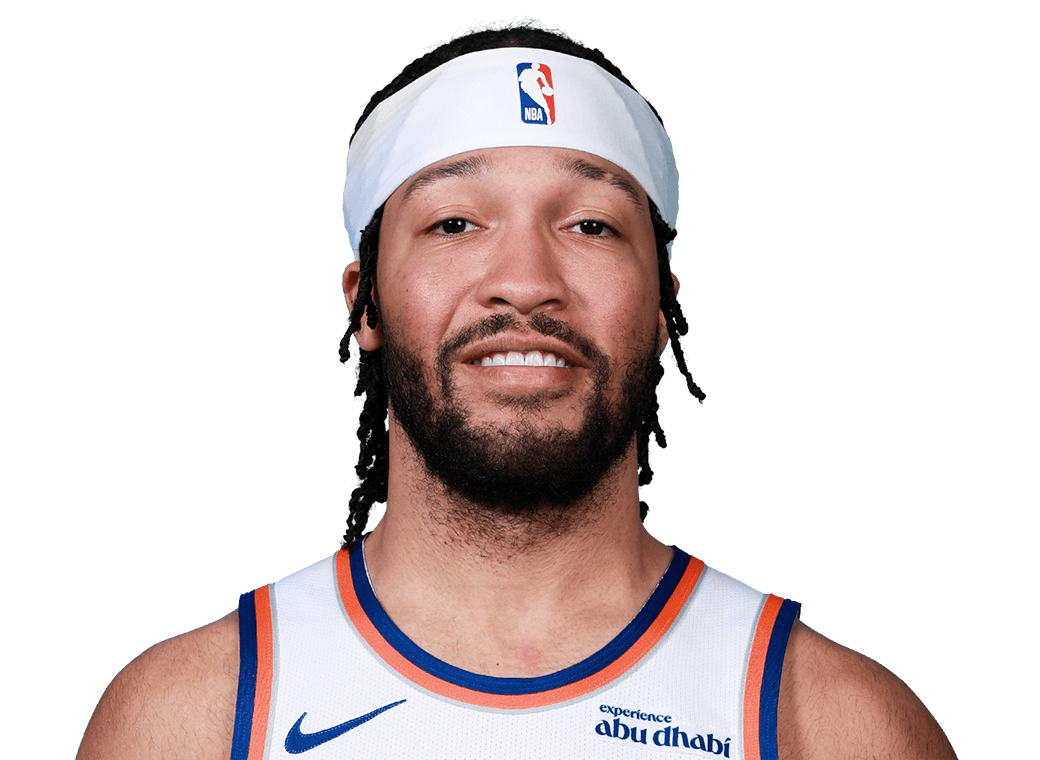
Brunson is coming off the season that completed his rise from star to New York icon. He averaged 26 points and 6.8 assists, then finished the job in June as the engine of a Knicks championship and the Finals MVP. That postseason run changes how we evaluate him because the old question—can a smaller guard be the best player on a champion?—has already been answered.
His game is built for the half court. Brunson changes speeds, lives off two feet, uses strength to protect the ball and can create a quality shot without needing elite burst. Defenses can switch bigger wings onto him and he still finds a way to get to the elbow, draw contact or create separation with footwork. KAT’s spacing gives him room, while New York’s wings let him conserve some defensive energy.
There is a legitimate argument that the reigning Finals MVP should rank first. What keeps him at five is not a flaw; it is the ridiculous level of the four players ahead of him. Brunson does not have Wemby’s defensive reach, SGA’s two-way efficiency, Luka’s offensive volume or Jokić’s all-possession control. What he does have is proof. He has already carried a championship offense through the final possession of a season.
The question for 2026–27 is not whether Brunson belongs with the elite. It is whether he can repeat the physical and mental grind required to defend a title when every opponent spends the entire season preparing for New York.
THE NOVEMBER 3 4DK VERDICT
Brunson's footwork and patience keep New York organized even when the first action fails. He can reject a screen, draw contact or manufacture a clean pull-up late in the clock. Holding eighth is a statement about proven shot creation, not a reward for team record alone. For the next edition, 4DK wants to see how the Knicks support him defensively and whether the offense can reduce the burden on his toughest possessions.
Anthony Edwards

Edwards has the athleticism, power and scoring package of the next great American perimeter superstar. Last season he averaged 28.8 points on 48.9 percent shooting and nearly 40 percent from three. That matters because the old version of the Ant conversation centered on whether the jumper would ever become efficient enough to match the explosiveness. It has.
The next step is control. The best players in the league do not only score 30; they dictate what the defense is allowed to do. Ant can still get baited into difficult pull-ups or spend stretches reacting to coverages instead of forcing the coverage he wants. The arrival of LaMelo Ball should help because Minnesota now has another elite passer who can organize possessions and get Ant the ball against a moving defense.
Defensively, Edwards has the tools to be a high-impact stopper when engaged. The question is whether he can sustain that effort while carrying an enormous scoring load. If the playmaking takes one more step and Minnesota becomes a true title team, Ant has an MVP path. The talent is already there; the final leap is about commanding games from start to finish.
THE NOVEMBER 3 4DK VERDICT
Edwards' ceiling is not in question; his explosive first step, pull-up threat and capacity to guard physically give him superstar tools. The two-spot slide reflects the difficulty of weighing early availability against players carrying full nightly workloads, not a sudden loss of talent. Minnesota's ability to function while he is sidelined—and how quickly he returns to his usual two-way level—will determine whether ninth becomes temporary.
Tyrese Maxey

Maxey has become a genuine star, not just the fast guard who benefited from playing next to Embiid. He averaged 28.3 points and 6.6 assists last season, shot 36.7 percent from three and continued to pressure the rim at a pace few defenders can match. The speed is the headline, but the control is what changed his ceiling.
Philadelphia’s new roster may lower his raw scoring volume, but it could raise his efficiency and postseason impact. LeBron and Jaylen Brown give him more secondary creators, while Embiid still commands extra defenders. Maxey should see more possessions where the defense is already tilted before he attacks.
The challenge is balancing aggression with playmaking. On a roster this talented, the point guard cannot turn every opening into a scoring race. He has to know when to push, when to organize and when to let the other stars control the possession. If he masters that, his impact can exceed the box score even if his points drop.
THE NOVEMBER 3 4DK VERDICT
Maxey has turned speed into a complete offensive problem. He stretches defenses in transition, attacks the gaps they leave and can change the tempo of a possession before help is set. Philadelphia's strong opening makes his growing command impossible to ignore. To climb further, the question is whether he can keep generating efficient offense when opponents trap him and take away the straight-line drive.
Jaylen Brown

Brown is coming off one of the best individual regular seasons of his career: 28.7 points, 6.9 rebounds and 5.1 assists while carrying a huge burden in Boston. He has become more comfortable creating through contact, attacking mismatches and making the second pass when defenses send help. The physicality remains the foundation. He can score without needing perfect spacing and defend bigger wings without being protected.
Philadelphia gives him a completely different role. He will not have to be the primary scorer every night with Maxey, Embiid and LeBron around him, which means the best version of Brown may be the one that spends more energy defending and punishing tilted floors. He should get cleaner driving lanes and more opportunities against second-best defenders.
The fit question is touches. Four stars need the ball, and Brown has to stay engaged when possessions do not start with him. If he embraces the two-way role, the Sixers may get a more efficient version of a player who just averaged almost 29.
THE NOVEMBER 3 4DK VERDICT
Philadelphia did not bring Brown in to reproduce his Boston workload. The Sixers already have Maxey's downhill speed, Embiid's interior scoring and LeBron's orchestration; Brown's challenge is to supply force without turning every possession into another isolation. Through seven games he is averaging 20.6 points, 6.9 rebounds and 4.3 assists, and his 25-point, 11-rebound effort against Chicago on November 2 showed how much he can contribute when the offense flows through several threats. His physical drives and ability to guard strong perimeter scorers remain central to the case for #11. The next step is consistency: recognize when to attack a rotating defense, make the quick pass when help arrives and bring the same defensive urgency even when his shot volume drops. If that balance holds, Brown has a legitimate route back into the Top 10; if Philadelphia's stars struggle to share possessions, the individual talent alone will not settle the debate.
Stephen Curry

Steph’s gravity remains its own offensive system. He played only 43 games last season, which is the main reason he falls outside the Top 10, but when he was on the floor he still averaged 26.6 points while shooting 39.3 percent from three and 92.3 percent at the line. Defenses still pick him up 30 feet from the rim and still panic when he gives the ball up because everybody knows it may come back two seconds later.
Golden State’s challenge is preserving that version. Curry is 38, and the Warriors cannot ask him to sprint through endless off-ball actions every night and then expect the legs to be fresh in May. The roster has to create easier possessions for him.
Even at this age, there are few players you would rather have when a playoff defense is locked in and the game needs one shot. The ranking reflects availability and workload more than ability. A healthy Curry can still look like a Top-5 offensive player on any given night.
THE NOVEMBER 3 4DK VERDICT
Curry's shooting is still a system by itself: defenders pick him up early, chase him through screens and open lanes merely by refusing to leave his body. His early offensive production shows why age alone cannot settle this ranking. The concern is how Golden State manages the defensive and physical demands around him over a full season, not whether he can still bend a defense on a given night.
Donovan Mitchell

Mitchell is still one of the safest bets in basketball for star-level scoring. He averaged 27.9 points last season on 48.3 percent shooting and 36.4 percent from three, while continuing to create explosive scoring runs that can change a game in five minutes. The pull-up three forces defenders to chase over screens, and once he gets a shoulder downhill he is strong enough to finish through contact.
Cleveland’s roster has changed around him, but the basic responsibility has not: Mitchell is the player who has to create something when structure breaks down. Harden can organize offense and Mobley can raise the defensive ceiling, yet the late-clock possessions will still find Mitchell.
The question is how far his scoring can carry a team in the postseason. He has produced huge playoff games before, but to climb toward the Top 10 he needs another run where the efficiency holds deep into May. The talent is there. The résumé needs one more level.
THE NOVEMBER 3 4DK VERDICT
Mitchell remains one of the most difficult guards to contain when his pull-up jumper and downhill game work together. Cleveland can use him as both a first-option scorer and a late-clock release valve. His placement depends on whether those bursts come with sustained playmaking and enough off-ball defensive discipline to lift the entire unit, rather than just the team's offensive ceiling.
Kevin Durant

Durant is still Durant. At 37 last season he played 78 games, averaged 26 points and shot 52 percent from the field, 41.3 percent from three and 87.4 percent from the line. That level of scoring efficiency at his age is absurd. His release point and footwork mean elite defense often changes only the difficulty of the shot, not whether he can get it off.
Houston is a good environment for this stage of his career. The Rockets have younger defenders, rebounders and creators who can absorb the physical work while Durant handles the possessions that need a bailout scorer. Şengün can create from the middle, Amen can pressure the rim and KD can punish every defense that loads toward them.
The age question is unavoidable. At 38, the drop can arrive quickly, and the playoff load matters more than the regular-season averages. But until the decline actually shows up, ranking one of the most efficient 26-point scorers in the league outside the Top 15 would be harder to defend than putting him here.
THE NOVEMBER 3 4DK VERDICT
Durant's scoring package still survives almost every defensive matchup: high release, compact footwork and the ability to shoot over a contest without needing a perfect screen. The question is not whether he can make hard shots. It is how much offensive responsibility he should carry, how the surrounding team defends and whether his minutes can be managed without sacrificing the rhythm that makes him dangerous.
Jalen Johnson

Jalen Johnson made the leap from promising young forward to legitimate star. Twenty-two and a half points, 10.3 rebounds and 7.9 assists is elite all-around production, especially from a 6-foot-8 forward who can grab a defensive rebound and become the point guard before the defense is organized. He earned All-NBA recognition because the numbers finally matched the physical tools.
What stands out is the playmaking growth. Atlanta can use him as a transition engine, short-roll creator, post facilitator or primary handler. The 35.2 percent three-point shooting was also good enough to keep defenses honest and open the floor for his drives.
The next test is whether those numbers drive winning at a higher level. With Trae gone, this is increasingly Johnson’s team and his responsibility. He has to become the player who settles the offense late, gets a good shot when the first action dies and anchors effort defensively. If he does that, Top 15 may be too low by midseason.
THE NOVEMBER 3 4DK VERDICT
Jalen Johnson is climbing because his impact is no longer limited to athletic finishes. He can push after a rebound, find teammates while moving and threaten mismatches with his size. The top-15 placement is a bet on that expanding offensive versatility alongside his rebounding and defensive tools. The next step is sharper half-court creation against set defenses that deliberately take away transition.
Scottie Barnes

Barnes affects too many areas of the game to evaluate him only by scoring average. He played 80 games last season, shot better than 50 percent from the field and gave Toronto 18.1 points, 7.5 rebounds and 5.9 assists while taking on major defensive responsibility. He can guard up and down the lineup, rebound and start the break, screen, pass from the elbows and attack smaller defenders inside.
Now Kawhi Leonard is back, which changes Scottie’s job in a useful way. He no longer has to be the answer to every difficult half-court possession. Kawhi can handle late-clock shot creation while Barnes becomes a connector, mismatch hunter and defensive weapon. That could make him more efficient and allow him to spend more energy on the parts of the game he does best.
The next leap still comes from shooting. At 30.4 percent from three, opponents will test Toronto’s spacing. If Barnes gets into the mid-30s while keeping the rest of his game intact, this ranking could look conservative.
THE NOVEMBER 3 4DK VERDICT
Barnes gives Toronto a rare combination of size, passing imagination and defensive flexibility. He can initiate offense, screen into an advantage or cover for a teammate at the other end. His rank reflects the complete toolkit rather than a demand that he lead every scoring column. 4DK wants greater consistency as a self-created scorer without losing the connective play that makes his teammates better.
Kawhi Leonard

Kawhi finally gave us enough regular-season basketball to evaluate the player instead of only the injury report. He played 65 games for the Clippers, averaged 27.9 points on 50.5 percent shooting and 38.7 percent from three, and looked like the same ruthless half-court scorer when healthy. He still gets to his spots with almost no wasted movement, and strong wing defenders rarely move him off the line he wants.
Now he is back in Toronto, where the context is almost perfect for an older star. Scottie Barnes can handle defensive versatility and connective playmaking, RJ Barrett can carry scoring stretches and the roster does not need Kawhi to dominate the ball for 38 minutes every night. What Toronto does need is the closer. When a playoff game slows down, Kawhi remains one of the best players in the league at getting a clean midrange look or punishing a switch.
The defensive version is no longer the 2016 monster who erased entire stars every possession, but he can still take elite assignments in important stretches. The ranking comes with the same warning as always: availability. If Toronto gets 60-plus regular-season games and a healthy postseason, Kawhi can still play like a Top-5 player in a series.
THE NOVEMBER 3 4DK VERDICT
Leonard's placement is the clearest reminder that talent and availability are separate parts of a current ranking. At his best, his strength, footwork and hand activity still make him a two-way problem. But missed time limits the nightly influence a team can count on. The next movement depends less on a highlight jumper than on sustained health, defensive mobility and the ability to string games together.
Karl-Anthony Towns

Towns enters the season as a champion, and that matters because the biggest question around him was never whether he could put up numbers. It was whether his skill set could hold up as a major part of a team that survives four playoff rounds. New York answered that. He averaged 20.1 points and 11.9 rebounds last season, shot 36.8 percent from three and gave the Knicks a floor-spacing big who can force traditional centers away from the rim.
His offensive value is still unique. Few centers can trail a break into a confident three, attack a closeout and finish with touch, then punish a smaller switch on the next possession. Brunson benefits from the extra space, and New York’s wings benefit from the attention KAT demands.
The defense is where the ranking stops. Towns is improved and the Knicks can protect him structurally, but he is not the kind of back-line eraser that lets you play any scheme. Still, a 20-and-12 big who stretches the floor and just helped win a title belongs firmly in this tier.
THE NOVEMBER 3 4DK VERDICT
Towns creates difficult lineup choices because his shooting stretches big defenders away from the basket while his size still matters on the glass. His value rises when the offense uses that spacing instead of treating him as a stationary outlet. The defensive side remains the swing factor: 4DK is watching his positioning, foul discipline and how effectively his team protects the rim when he is involved in screening actions.
Alperen Sengun

Şengün is one of the league’s most creative offensive bigs. He can score with either hand in the post, play through contact, hit cutters from the elbow and function as a hub when Houston wants to run offense through the middle of the floor. The 20.4 points, 8.9 rebounds and 6.2 assists last season show how much he can touch every possession. The ranking holds him outside the top tier because defense still determines how high a center can climb in playoff basketball. If he becomes more dependable protecting space and the rim, his offense is already good enough for a major jump.
THE NOVEMBER 3 4DK VERDICT
Şengün's climb is driven by the way Houston can run offense through his touch and vision. He creates advantages from the elbows and post, then punishes a defense that overreacts with a pass to a cutter or shooter. The next ceiling is about defensive consistency and controlling turnovers when the game speeds up. His offensive skill is already central enough to demand a place in this tier.
Jamal Murray

Murray finally gave Denver the full regular-season version of the player we have seen in the playoffs for years. He averaged a career-level 25.4 points and 7.1 assists, shot 43.5 percent from three and earned All-NBA recognition. That matters because the old criticism was that his postseason explosions were not always reflected across six months.
The partnership with Jokić remains one of basketball’s hardest actions to solve. Both players can pass, both can score at three levels and both understand exactly how defenses want to cover their two-man game. Murray’s pull-up shooting forces bigs higher, and once that happens Jokić gets the short roll with the entire floor available.
The reason Murray stops at 20 is two-way value and primary responsibility. He is brilliant next to the best offensive center ever, but he does not have to carry the same creation burden as some guards above him. Still, last season closed the gap between “playoff Murray” and “regular-season Murray.”
THE NOVEMBER 3 4DK VERDICT
Murray can look unstoppable when his two-man actions develop rhythm: patient dribbles, sudden pull-ups and sharp reads off a screen. His ranking recognizes that shot-making while asking for more consistent command across ordinary regular-season possessions. Denver needs his creation to complement Jokić rather than appear only in explosive stretches; that steadiness will shape whether he rises from twentieth.
Devin Booker

Booker remains one of the cleanest three-level scorers in the league. He averaged 26.1 points and six assists last season even as Phoenix continued changing the roster around him. His midrange game is still elite, the pull-up three demands respect and he has become a much better passer than the pure scorer label suggests.
What keeps him outside the Top 20 is less about a weakness and more about total control. The players above him either drive elite offense every possession, offer greater two-way impact or have shown they can bend a playoff series in more ways. Booker can absolutely be the best scorer in a series, but when defenses blitz him and force the ball out, Phoenix needs him to punish those coverages as a playmaker just as consistently.
The Suns are his team now. That clarity may help. If Booker combines 27-plus scoring with efficient playmaking and keeps the offense stable regardless of lineup, the ranking will rise.
THE NOVEMBER 3 4DK VERDICT
Booker can score from all three levels and has developed enough passing touch to organize possessions when defenses send a second defender. His slide into the low twenties is not a rejection of his shot-making; it reflects how tightly this part of the list is packed. 4DK is watching whether he can control the game beyond scoring, especially when teammates need easier looks and opponents force the ball out of his hands.
Anthony Davis

Pure talent says Davis should be much higher. Availability is why he is not. He appeared in only 20 games last season before another year ended with injury, and that changes how much confidence you can place in him entering a new season. When healthy, the basketball case is easy: elite rim protection, switchability, rebounding, lob finishing, touch around the basket and enough face-up skill to punish slower bigs. Washington is not asking him to become a different player. It is asking him to stay on the floor long enough for those strengths to matter over an entire season. A healthy AD is still capable of playing like a Top-15 player.
THE NOVEMBER 3 4DK VERDICT
Davis remains an elite interior deterrent when healthy, with the timing to erase mistakes and the touch to finish around the rim. His rise acknowledges that defensive value, but durability and offensive consistency remain inseparable from the evaluation. The next test is whether his team can build dependable stretches around his screening, rebounding and rim protection without needing him to manufacture every difficult basket.
LeBron James

The career résumé has nothing to do with No. 23. This list is about right now. LeBron averaged 20.9 points, 6.1 rebounds and 7.2 assists at age 41 last season, which would be absurd for almost any player and is even more absurd this late in a career. He can still manipulate a defense, punish mismatches, quarterback transition and turn a playoff possession into whatever matchup he wants.
Philadelphia changes the workload. With Maxey, Jaylen Brown and Embiid around him, LeBron should not need to carry 2018-level usage. That may actually make him more dangerous. He can conserve possessions, attack second-side mismatches, become a screener, punish switches in the post and spend more energy on the defensive possessions that matter most.
The reason he is not higher is simple: you cannot assume the body will give you superstar impact every night across 82 games. At this stage, the value is about controlling the biggest moments. If Philadelphia reaches May healthy, there may still be fewer than 20 players you would trust more in one playoff game.
THE NOVEMBER 3 4DK VERDICT
LeBron still changes the pace of an offense with his eyes as much as his drives. He can identify a mismatch early, put a defender into rotation and find the weak-side answer. At this stage, the ranking is about sustainable impact over an entire season, not the peak of his résumé. His role next to a ball-dominant creator and his ability to choose defensive moments wisely will shape his movement.
Evan Mobley

Mobley’s defensive impact still puts him in rare company. He can protect the rim, switch onto guards, cover huge amounts of space and erase mistakes behind aggressive perimeter defenders. The offensive game continues to expand, but the three-point shot fell back under 30 percent and the free-throw shooting was a concern. Cleveland does not need him to become a 25-point scorer; it needs him to punish smaller matchups, make quick reads and keep defenses honest outside the paint. His two-way ceiling remains much higher than No. 24, but the offensive consistency has to catch up to the defense.
THE NOVEMBER 3 4DK VERDICT
Mobley's defensive versatility remains the headline: he can meet a driver at the rim, recover into space and switch without giving up his length. His offensive growth determines whether that impact translates into a higher individual tier. Cleveland benefits when he attacks decisively rather than hesitating between a jumper and a drive. The next step is stronger self-created scoring against physical frontcourts.
Bam Adebayo
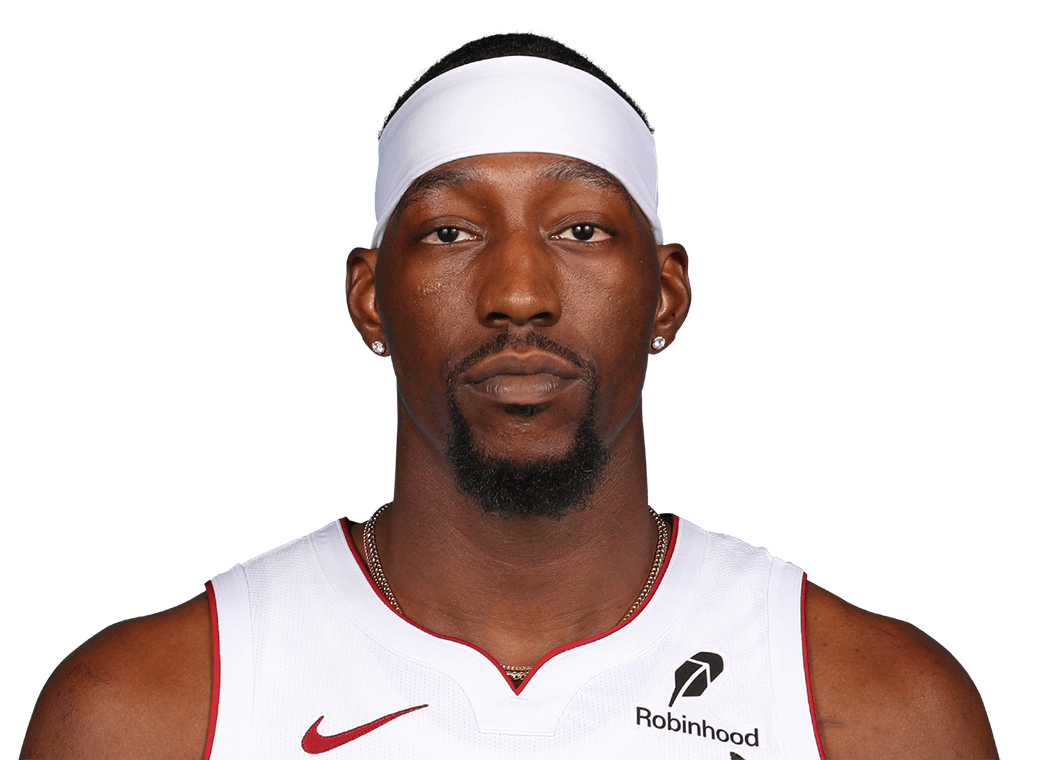
Bam remains one of the NBA’s great defensive problem-solvers. Miami can switch him, play drop, put him on a star wing, let him cover two players in pick-and-roll or ask him to protect the rim late. That versatility is why his impact is larger than a traditional center box score.
Offensively, last season was uneven. He averaged 20.1 points and 10 rebounds, but 44.2 percent from the field is low for a center and the three-point experiment did not create enough spacing to justify all the misses. With Giannis now in Miami, Bam’s offensive role has to become clearer. The two-big pairing can be devastating in transition and defensively, but the half-court geometry is the question. Bam will need to screen, make quick passes, punish short rolls and hit enough open jumpers that teams cannot simply wall off the paint.
If Miami solves the spacing, Bam’s defensive value next to Giannis could make the Heat brutal to score against. His offensive ceiling is why he stops at No. 25; his defensive floor is why he stays this high.
THE NOVEMBER 3 4DK VERDICT
Adebayo's screening, short-roll passing and ability to defend in space still give him a foundation most centers cannot match. The drop is a relative judgment about offensive responsibility and early-season impact, not a denial of his defensive importance. To regain ground, 4DK wants him to assert himself as a scorer when the first option stalls while continuing to anchor communication behind the play.
Deni Avdija

Avdija has grown into the kind of big, physical wing every team wants. Last season’s 24.2 points and 6.7 assists represented a major offensive leap, and his rebounding, transition play and ability to absorb contact make him useful in almost any lineup. Portland can use him as a handler, screener, secondary creator or mismatch attacker. The next question is efficiency from deep: 31.8 percent from three allowed defenses to shade away from him more than you want for a primary wing creator. If the jumper rises, his all-around game is strong enough to push him toward All-Star territory.
THE NOVEMBER 3 4DK VERDICT
Avdija's rise reflects how much pressure a big, decisive ball-handler can place on a defense. He gets downhill, rebounds into transition and makes plays that do not require a designed isolation. Moving from fortieth into the twenties is meaningful; staying there requires efficient half-court decisions when defenders anticipate his drives. His versatility has earned the opportunity to prove this is a lasting leap.
Paolo Banchero

Paolo already plays with the physicality and creation responsibility of a franchise scorer. At 6-foot-10 and 250 pounds, he can initiate from the perimeter, bully smaller defenders, rebound and make enough passing reads to function as an offensive hub. Last season’s 22.2 points, 8.4 rebounds and 5.2 assists show how complete the workload has become.
The next step is efficiency. A 30.5 percent three-point season still lets playoff defenses crowd his driving lanes, and Orlando’s half-court offense becomes much easier to guard when neither Paolo nor Franz is consistently bending the defense from deep. That does not mean Paolo needs to become a 40-percent shooter. He just has to become dangerous enough that defenders cannot live with going under.
Defensively, his size gives him versatility, but the best version of Paolo is the one who turns that physical advantage into impact every possession. If the jumper stabilizes and the turnovers come down, he has a real path from Top 20 to the edge of the Top 10.
THE NOVEMBER 3 4DK VERDICT
Banchero's size and handle allow Orlando to attack mismatches that smaller forwards cannot create. He can reach his spots through contact and generate free throws even when the jumper is uneven. Availability has limited the early evaluation, so 4DK is separating his proven offensive ceiling from the small current sample. His next step is turning that physical advantage into quicker reads and cleaner team possessions.
Joel Embiid

Embiid’s ranking is shaped by health more than talent. Even in a season limited to 38 games, he still averaged 26.9 points and shot 85.4 percent from the line. A healthy Embiid remains one of the most difficult players in the league to guard because he can score from the post, face up, draw fouls and anchor a defense at the other end. Philadelphia’s new roster reduces how much he has to carry every night, which could be the best thing for him. The question is no longer whether he can dominate. It is whether his body can hold up through the regular season and then survive four playoff rounds. If the answer is yes, No. 28 is far too low.
THE NOVEMBER 3 4DK VERDICT
Embiid's best version remains a punishing scorer and rim protector, but a current ranking cannot be based only on the possibility of that version appearing. Health, conditioning and game-to-game availability determine how much of his enormous talent translates into value. If he strings together strong two-way performances, twenty-eighth will look low; until then, the ranking reflects the uncertainty honestly.
Tyrese Haliburton

Haliburton did not play during the 2025–26 season while recovering from the Achilles injury that ended Indiana’s 2025 Finals run. That makes this ranking unusually difficult. His last healthy version was one of the league’s best offensive organizers: elite pace, advanced passing reads, deep shooting range and an ability to create advantages without monopolizing the ball.
The biggest question is not basketball IQ. It is physical trust. How quickly does the burst return? Can he plant, decelerate and change direction with the same confidence? Will defenses respect the pull-up three immediately, or will it take time for him to rebuild rhythm? Indiana spent an entire season learning how different its offense looks without him, and his return should restore the transition speed and early-clock creativity that made the Pacers so difficult to guard.
No. 29 is a hedge against a major injury, not a statement that 28 players are more talented. If Haliburton is physically himself by midseason, he can move back toward the Top 15.
THE NOVEMBER 3 4DK VERDICT
Haliburton's greatest weapon is the speed of his decisions. He sees a teammate breaking free before the defense recognizes the opening, and his shooting range stretches the floor for everyone. The question in this edition is availability and how quickly he can reestablish his usual rhythm. The ranking respects his proven playmaking while declining to treat missed time as though it were production.
Cooper Flagg

Flagg already belongs in this conversation after a Rookie of the Year season that confirmed the two-way tools were real immediately. Twenty-one points, nearly seven rebounds and 4.5 assists as a teenager is not normal production, and his value goes beyond the box score because he can defend, cut, handle and create secondary offense. The ranking stays conservative because one NBA season is still one NBA season. Dallas now has to find out how much of the offense can be placed in his hands without dulling the defensive activity that makes him special. His ceiling is dramatically higher than No. 30.
THE NOVEMBER 3 4DK VERDICT
Flagg's early case is built on more than prospect hype. He can defend with size, attack closeouts and contribute without needing every possession drawn for him. Cracking the top thirty this quickly is an aggressive 4DK call, but his development will not be linear. To push into the twenties, he needs sustained scoring efficiency and better answers when veterans take away his first move.
Trae Young

Trae remains one of basketball’s best offensive engines, but last season gave us only 15 games. The range, passing imagination and pick-and-roll command still create efficient offense almost by themselves. In Washington, he will have the ball and freedom to organize everything, and that makes his health especially important. The efficiency in a tiny sample was fine, but the volume was lower than his Atlanta peak. The defense will always cap some lineups, so the offensive value has to be overwhelming. If he plays 70 games and gets back near his normal scoring level while keeping the assists around double digits, he can climb this list quickly.
THE NOVEMBER 3 4DK VERDICT
Young's passing range and pull-up shooting force defenders into uncomfortable choices far beyond the arc. He can generate quality looks even when the offense is otherwise stagnant. The ranking also accounts for the defensive concessions teams must manage around him and the value of playing without the ball. A stronger balance between high-risk creativity and controlled possessions would make a top-thirty return easy to argue.
LaMelo Ball

LaMelo is where the list starts changing gears. At No. 32, we are no longer talking only about talent; we are talking about whether a player can help shape the identity of a contender. His size, vision and passing creativity remain elite, and the fact that he finally played 72 games last season matters after years of availability concerns. He can hit pull-up threes, manipulate weak-side defenders and throw passes most guards do not even see.
The move to Minnesota changes the evaluation. He no longer needs to carry an offense every possession because Anthony Edwards is the clear downhill scoring force. That should let LaMelo lean into what he does best: organize pace, hit Ant early, find shooters before the defense is set and punish teams that load up on the primary scorer. The challenge is efficiency. He shot only 40.7 percent from the field last season, and a contender cannot afford too many empty, high-difficulty possessions.
Defensively, his size gives him a chance to survive if the engagement is there. If Minnesota can get the creative version of LaMelo without the loose possessions, this could become one of the most interesting backcourts in basketball.
THE NOVEMBER 3 4DK VERDICT
Ball's best basketball blends audacious passing with deep shooting and a willingness to push the pace before defenses are organized. The skill level is not the debate. Availability, defensive consistency and decision-making under pressure are the reasons his rank has room to move in either direction. 4DK is watching whether his production translates into stable possessions and meaningful team improvement.
Chet Holmgren

Holmgren’s two-way value is already elite enough to make a ranking this low feel harsh. He protects the rim, moves his feet on the perimeter, spaces to three and finishes efficiently without needing plays called for him. Last season he shot 55.7 percent from the field and 36.2 percent from three while anchoring one of the league’s best defenses. His frame will always create questions against the strongest post scorers, but Oklahoma City’s scheme rarely leaves him alone in those matchups. The next jump comes from more self-created offense. If Chet becomes someone who can punish switches and generate points late in the clock, he will move well inside the Top 20.
THE NOVEMBER 3 4DK VERDICT
Holmgren provides spacing and shot-blocking from the same frontcourt position, a rare combination that changes how opponents attack the paint. But missed time has to count in a right-now ranking. His length and timing remain obvious assets; the next evaluation will focus on health, rebounding through contact and whether he can maintain offensive aggression against stronger defenders.
Franz Wagner

Wagner does almost everything you want from a modern wing. He can initiate offense, attack smaller defenders in the post, beat bigger players off the bounce and guard multiple positions. Last season was limited to 34 games, but he still averaged 20.6 points on 48 percent shooting. The three-point shot finally moved in the right direction at 34.5 percent after being the obvious weakness in his profile. Orlando’s offensive ceiling depends heavily on whether Wagner and Paolo can coexist as big creators without shrinking the floor. If Franz stays healthy and the jumper holds, No. 34 could look low.
THE NOVEMBER 3 4DK VERDICT
Wagner's methodical drives are more difficult to stop than they look. He changes pace, uses his size to shield the ball and finds cutters when the defense commits. Orlando needs that steady creation, especially when other scoring options are unavailable. His route upward runs through improved perimeter efficiency and more consistent defensive pressure, not merely adding another move to an already varied scoring package.
Pascal Siakam

Siakam remains one of the league’s most dependable two-way forwards. He gives Indiana size, transition offense, post scoring, playmaking and the ability to attack mismatches without needing to dominate the ball. His 24 points per game last season came while Haliburton missed the entire year, which forced Siakam into a larger creation burden than usual. The three-point shot was respectable at 35.8 percent, but his best work still comes from using length and footwork inside the arc. He may not be a first-option superstar, but his versatility gives a contender an answer to a lot of different problems.
THE NOVEMBER 3 4DK VERDICT
Siakam's value comes from his ability to attack before a defense is set, spin through traffic and punish smaller defenders without requiring a high-volume three-point diet. He also gives a lineup mobility and experience at forward. The ranking asks whether his scoring efficiency and defensive energy can remain consistent while the team around him changes. Those quieter possessions matter as much as a twenty-point night.
Austin Reaves

Reaves has grown from a complementary guard into a legitimate high-level creator. Twenty-three points and 5.5 assists on 49 percent shooting is not role-player production, and the Lakers increasingly trust him to run offense when Luka sits or when defenses overload toward the superstar. He changes pace well, draws fouls, attacks closeouts and has become much more comfortable creating from ball screens. The question now is whether the defense and shot creation hold at the same level against the best playoff teams. If they do, the Luka–Reaves partnership gives Los Angeles one of the league’s strongest offensive backcourts.
THE NOVEMBER 3 4DK VERDICT
Reaves has earned a larger role by turning craft into reliable offense. He changes speed, draws contact and makes the simple pass when the defense overplays his scoring. Playing beside a dominant creator can produce cleaner looks, but it also tests how quickly he adapts between on-ball and off-ball duties. His next step is maintaining efficiency while holding up against stronger perimeter assignments.
Zion Williamson

The talent is nowhere near No. 37. The trust is. Zion played 62 games and shot 60 percent from the floor, which is a reminder that very few defenders can actually stop him from getting where he wants when he has momentum. He is still a paint-dominance machine with rare touch for his size. But availability, conditioning and the lack of a dependable perimeter counter have made every ranking of him a projection of what might happen rather than a reward for what consistently does happen. Another healthy season would push him much higher.
THE NOVEMBER 3 4DK VERDICT
Williamson's ability to collapse a defense with one powerful drive remains extraordinary. Few forwards can generate paint pressure with that combination of balance and explosion. The problem for a current ranking is that the value has to be available regularly. The path upward is clear: sustained health, engaged defense and enough variety away from the rim to punish teams that pack the lane.
Stephon Castle

Castle’s second season confirmed that his Rookie of the Year campaign was only the beginning. He averaged 7.4 assists while continuing to defend with size and physicality, giving San Antonio another big initiator next to De’Aaron Fox and Wembanyama. The jumper is improving but remains the part of his game opponents will challenge most aggressively. What makes Castle different is that he can still help when the shot is not falling: he rebounds, defends, pushes pace and creates advantages with strength. If the pull-up shooting catches up to everything else, he has real Top-20 upside.
THE NOVEMBER 3 4DK VERDICT
Castle's defensive competitiveness gives him a floor even when the jumper is not falling. He can pressure the ball, absorb contact and make life uncomfortable for bigger guards. The move down reflects the need for more dependable offense as his responsibilities expand. 4DK is watching his shot selection and playmaking reads, because a two-way guard becomes much more valuable when defenders cannot ignore him off the ball.
Domantas Sabonis

Sabonis remains an elite rebounder and one of the best passing centers in the league, but last season was interrupted after only 19 games. When he is right, Sacramento can run offense through his screening, dribble handoffs, touch around the rim and ability to grab a rebound and immediately ignite the next possession. The regular-season floor is extremely high. The hesitation comes from health and from the same postseason questions that have followed him for years: can he punish teams that sag off him, and can he survive every defensive matchup when opponents force him into space?
THE NOVEMBER 3 4DK VERDICT
Sabonis remains one of the game's strongest possession organizers from the frontcourt. His screens, handoffs and rebounding can keep an offense functioning without a traditional point guard dominating the ball. The ceiling question is how well that style holds up against defenses that crowd the paint and force him to score over length. His defensive fit and postseason-style adaptability remain important parts of the ranking.
Jalen Duren

Duren enters the Top 50 after a breakout season that changed Detroit’s timeline. He averaged 19.5 points and 10.5 rebounds while shooting 65 percent from the field, made his first All-Star team and earned Third Team All-NBA as the Pistons won 60 games. The next step is proving the regular-season production holds up in the playoffs and that his defense can become consistently impactful enough for Detroit to trust him as a true long-term second pillar next to Cade Cunningham.
THE NOVEMBER 3 4DK VERDICT
Duren is earning a higher-level conversation through his physicality around the basket and improving presence on the glass. He creates extra possessions, finishes through contact and can make a defense feel his strength. The next step is defensive discipline: reading actions early, protecting the rim without fouling and making short-roll decisions. His rise will be sustainable if the detail catches up with the athletic tools.
Amen Thompson

Amen’s physical profile is already special: big guard size, elite burst, rebounding, point-of-attack defense and the ability to turn steals or long rebounds into instant transition offense. Playing 79 games while averaging 18.3 points, 7.8 rebounds and 5.3 assists showed that he is no longer just a projection. He is already impacting winning. The jumper remains the swing skill. At 21.6 percent from three last season, teams can still load the paint and change the geometry of Houston’s offense. Even with that weakness, his defense and rim pressure make him one of the league’s most valuable young two-way players.
THE NOVEMBER 3 4DK VERDICT
Thompson is already a disruptive force without needing plays called for him. He cuts into open space, attacks the glass and turns defensive activity into transition opportunities. His ranking is constrained by how opponents can defend him in the half court when they do not respect the jumper. Improvement as a shooter and quicker passing decisions would make his impact much harder to scheme against.
OG Anunoby

OG is one of the easiest players in basketball to fit next to stars. He guards elite wings, switches onto bigger players, spaces the floor and rarely needs an offense built around him to affect winning. He shot 38.6 percent from three last season and remained a key part of a championship-level Knicks defense. The ranking is lower than his impact because creation matters on a list of individual players, and OG does not carry the same self-created offensive burden as the names above him. But if you are building a contender, there may be ten players ranked ahead of him who are harder to fit.
THE NOVEMBER 3 4DK VERDICT
Anunoby's value is easiest to understand by watching the assignment he draws rather than the box score. He can absorb difficult wing matchups, disrupt passing lanes and space the floor without monopolizing possessions. Sliding in the rankings reflects the value placed on primary creation, not a lack of respect for elite role execution. He can rise by adding more decisive offense without sacrificing his defensive identity.
De'Aaron Fox

Fox remains a relentless downhill threat whose change of pace puts pressure on the first line of defense. His place in San Antonio's evolving guard rotation gives him chances to create for teammates as well as finish at the rim. To climb this board, he must combine that speed with dependable half-court decision-making and consistent defensive engagement.
4DK WATCH POINT — The next edition will evaluate how De'Aaron Fox sustains this early-season form over a larger sample, including availability, offensive efficiency, defensive matchups, and role within the team's rotation. This is an editorial watch point rather than a projection of future production.
Fox's greatest weapon remains the way he changes speeds. The first burst gets a defender leaning; the second puts the defense in rotation. That pressure matters in San Antonio because it gives the Spurs a different way to initiate offense when the game slows down. Rather than relying only on transition opportunities, Fox can turn a seemingly neutral possession into a paint touch and force the weak side to make a decision.
The next step is about balance. The same aggression that makes Fox dangerous can leave the offense too dependent on difficult finishes if the help defender arrives early. When he recognizes the second defender, moves the ball before the trap closes and commits on the other end, he looks like the type of lead guard who can elevate a contender. His placement here reflects that ceiling while asking for sustained control and efficiency.
Dylan Harper

Harper's poise and willingness to attack the paint have made him a fascinating young guard. His size lets him absorb contact, and his passing reads can unlock advantages when the defense collapses. The next stage is improving the consistency of his jumper and learning to control the tempo against veteran defenses.
4DK WATCH POINT — The next edition will evaluate how Dylan Harper sustains this early-season form over a larger sample, including availability, offensive efficiency, defensive matchups, and role within the team's rotation. This is an editorial watch point rather than a projection of future production.
Harper plays with a maturity that stands out for a young guard. He is comfortable using his frame to keep defenders on his hip, and he does not always need a spectacular move to reach a productive spot. The intriguing part is how he processes the floor: he can probe the lane, draw a second defender and locate a teammate instead of forcing a contested attempt.
His developmental questions are the natural ones for a player learning the league. How consistently can he punish defenders who go under screens? Can he make quick reads when opponents switch size onto him? And can he remain disruptive defensively when the ball is not in his hands? Those answers will determine whether this Top 50 debut becomes the starting point of a major climb.
Julius Randle

Randle remains a physical matchup problem who can score through contact, rebound and create for teammates from the frontcourt. He played 79 games last season and gave Minnesota 21 points and five assists a night before moving to Brooklyn, so durability and volume production are not the concern. The concern is whether the decision-making and efficiency stay steady when a playoff defense loads up on him. In Brooklyn, his ability to create offense should be featured heavily, but that also means the turnovers, shot selection and defensive engagement will matter even more.
THE NOVEMBER 3 4DK VERDICT
Randle's physical scoring can stabilize an offense when perimeter actions stall. He can punish switches, rebound through traffic and make the occasional playmaking read from the elbows. The difference between a helpful possession and a costly one is often how quickly he decides. 4DK is watching his defensive attention and whether he attacks favorable matchups without allowing the offense to become predictable.
Kyrie Irving

This ranking is almost entirely about availability, not basketball skill. Kyrie missed the entire 2025–26 season while recovering from ACL surgery, so there is no honest way to rank him as if the layoff did not happen. But the talent never belonged in the 40s. Healthy Kyrie is still one of the most complete one-on-one scorers alive: elite handle, either-hand finishing, pull-up shooting, footwork and the ability to make impossible late-clock possessions look routine. The question entering 2026–27 is how much of that burst and change of direction returns after such a long absence. If his body cooperates, this ranking can become outdated fast.
THE NOVEMBER 3 4DK VERDICT
Irving's handle and finishing craft still give him a rare answer against tight one-on-one coverage. His shot-making deserves respect even when his current availability complicates the evaluation. This placement balances that established skill against the limited evidence of sustained 2026–27 impact. A healthy run would quickly reopen the debate; until then, the ranking cannot be based entirely on the player he has been.
Ty Jerome

Jerome's early-season play has demanded attention. His ability to organize an offense, get to his preferred spots and punish mistakes has translated into real responsibility for Memphis. The challenge now is sustaining that production over a larger sample while opponents adjust their coverages and target him more deliberately.
4DK WATCH POINT — The next edition will evaluate how Ty Jerome sustains this early-season form over a larger sample, including availability, offensive efficiency, defensive matchups, and role within the team's rotation. This is an editorial watch point rather than a projection of future production.
Jerome has turned opportunity into one of the early season's most compelling stories. He is not winning with overwhelming athleticism; he is winning with rhythm, patience and an ability to create a clean look after manipulating the defense. His shot-making forces defenders to respect the pull-up, which opens the pocket pass and the drive when they crowd his space.
The 40-point performance against New Orleans is the kind of night that demands attention, but the real evaluation is bigger than one explosion. Defenses will load up on his preferred actions, send length at the ball and test his decisions late in the clock. If Jerome continues to produce efficiently while carrying that responsibility, this ranking may look conservative by the next edition.
Paul George

George's smooth footwork, wing size and shot-making pedigree still give him a useful two-way toolkit. His role alongside Boston's other creators asks him to choose his moments, space the floor and make smart defensive reads. Durability and consistent efficiency will determine whether he can rise in the next edition.
4DK WATCH POINT — The next edition will evaluate how Paul George sustains this early-season form over a larger sample, including availability, offensive efficiency, defensive matchups, and role within the team's rotation. This is an editorial watch point rather than a projection of future production.
George still owns one of the smoothest offensive toolkits among veteran wings. The handle flows naturally into his pull-up jumper, and his size allows him to shoot over smaller defenders without needing a perfect screen. That skill set remains valuable even as his role changes: he can space the floor, attack a closeout or create a late-clock shot when the first action breaks down.
The distinction for 4DK is between appreciating the résumé and measuring the present. George's defensive instincts and positional size are still meaningful, but availability, physical consistency and shot selection matter when the league is crowded with younger two-way contributors. A sustained stretch of efficient offense and engaged defense would make a climb entirely reasonable.
Nickeil Alexander-Walker

Alexander-Walker's case starts with his point-of-attack defense, but it no longer ends there. His shooting, ability to attack a tilted defense and willingness to take difficult assignments make him a versatile two-way contributor. A sustained offensive leap would move him from the edge of the list toward the middle.
4DK WATCH POINT — The next edition will evaluate how Nickeil Alexander-Walker sustains this early-season form over a larger sample, including availability, offensive efficiency, defensive matchups, and role within the team's rotation. This is an editorial watch point rather than a projection of future production.
Alexander-Walker's rise is a reminder that two-way impact does not always announce itself with a highlight reel. He gets into the ball, navigates screens with purpose and uses his length to bother shooters who think they have created separation. Those possessions add up, especially against opponents who depend on one perimeter creator to organize everything.
Offensively, the key is that he no longer has to be hidden or treated as a specialist. He can space the floor, make a quick decision after a closeout and keep an advantage alive with a simple pass. The challenge is to sustain that production when scouting reports begin to treat him as a priority rather than a supporting piece. That evolution is what gives his Top 50 inclusion real substance.
Jaden McDaniels

McDaniels closes the Top 50 because his defensive impact reaches beyond the box score. His length and lateral quickness allow him to take premier perimeter assignments, while his improved confidence as a scorer gives Minnesota more offensive flexibility. Consistent shooting and creation are the next steps in his climb.
4DK WATCH POINT — The next edition will evaluate how Jaden McDaniels sustains this early-season form over a larger sample, including availability, offensive efficiency, defensive matchups, and role within the team's rotation. This is an editorial watch point rather than a projection of future production.
McDaniels is the kind of defender who changes the quality of an opponent's first option. His reach allows him to contest without conceding easy driving lanes, while his feet give him a chance to stay attached through multiple changes of direction. Minnesota can trust him with difficult wing assignments because he competes possession after possession rather than only when a stop might make the highlight package.
The offensive side is where his ceiling continues to expand. A timely cut, a decisive drive against a rotating defense and a catch-and-shoot three all become more valuable when paired with elite perimeter defense. To move beyond the final spot, he needs that offensive aggression to remain consistent. For now, his inclusion recognizes the fact that preventing points can be just as important as creating them.
HONORABLE MENTIONS
Ten players outside the official Top 50. No hidden rankings, no implied order — just serious scouting, current-season production and a case for the next edition.
James Harden
Cleveland Cavaliers
Harden remains a master of manipulating defensive coverages. His pace, ball-screen reads and ability to create advantages for teammates make him dangerous even when his scoring output is modest. The question for his next Top 50 case is whether he can combine that orchestration with more efficient, assertive scoring over a sustained stretch.
Derrick White
Boston Celtics
White is the kind of guard who makes every lineup more coherent. He sees rotations before they unfold, helps protect the rim despite his size and rarely needs to dominate the ball to influence a possession. His early shooting has room to improve, but his defensive versatility and decision-making keep him firmly in the conversation.
Walker Kessler
Los Angeles Lakers
Kessler changes the geometry of a game around the basket. His vertical presence makes drivers reconsider attempts, while his screening and finishing create efficient offense without demanding touches. To force his way into the ranked fifty, he needs to keep pairing elite rim protection with dependable rebounding and mobility against varied offensive looks.
Caleb Wilson
Chicago Bulls
Wilson has wasted little time showing star-level ambition. His early scoring volume, defensive activity and ability to attack from multiple spots make him one of the most compelling rookies in the league. The efficiency and shot selection are still developing, but the foundation of a versatile, high-impact forward is already visible.
Damian Lillard
Portland Trail Blazers
Lillard's range and pull-up gravity still demand defensive attention well beyond the arc. His reputation as a late-game shot-maker is earned, but this list is about current production rather than legacy. A stronger shooting stretch and consistent playmaking would give Dame a clear route back into the Top 50.
Cam Boozer
Memphis Grizzlies
Boozer has already shown unusual feel for a rookie frontcourt player. His rebounding instincts, passing vision and willingness to make the extra read allow him to shape possessions beyond his scoring. His triple-double early in the season was a glimpse of the ceiling; finishing efficiency and defensive consistency will determine how quickly he climbs.
Yaxel Lendeborg
Golden State Warriors
Lendeborg has given Golden State a dynamic blend of size, shot creation and connective passing. He can punish a closeout, make the correct read in traffic and compete across multiple matchups. The early scoring and shooting are eye-catching; the next test is sustaining that output as opponents devote more of their scouting report to him.
Ja Morant
Portland Trail Blazers
Morant's downhill explosiveness can still bend an entire defense. His burst opens passing windows that simply do not exist for most guards, and his creativity remains a major weapon. Limited early availability makes the sample small, so the path back into the Top 50 is straightforward: consistent health, minutes and high-level offensive command.
Jarrett Allen
Cleveland Cavaliers
Allen continues to supply the interior fundamentals winning teams need: screening, rebounding, efficient finishing and vertical rim protection. He does not need plays called for him to influence the game. His case strengthens when he consistently anchors defensive possessions and punishes smaller lineups on the glass.
RJ Barrett
Toronto Raptors
Barrett's physical drives and willingness to absorb contact make him a difficult matchup when he gets a step toward the rim. His rebounding and secondary creation add value alongside Toronto's other ball-handlers. Improving the consistency of his perimeter jumper would make his offensive package much harder to scheme against.
Statistics: 2026–27 regular season through games of November 2, 2026. Small early-season samples; figures are snapshots, not projections.
THE LEAGUE BELONGS TO THE NEXT ERA.
Jokić is still Jokić. Luka is about to put up ridiculous numbers in Los Angeles. SGA has a real claim to the throne. Brunson just delivered the biggest season of his career. But entering 2026–27, 4DK is betting on the player whose ceiling could change the next decade of basketball.
VICTOR WEMBANYAMA IS No. 1.