This one was brutal because West Coast greatness has never meant one thing.
At 4DK, we are weighing records from Compton, Long Beach, South Central, Oakland, Vallejo and everywhere in between against each other even when they were built for completely different purposes. Some changed the national sound. Some became neighborhood scripture. Some pushed lyricism. Some created movements. Some simply never stopped getting played.
Full-album quality. Replay value. Production. Songwriting. Influence. Impact. Peak. How well the project represents its era — and how much it still matters now.
Landmark mixtapes were eligible when the music and cultural impact were too important to ignore. That is why a project like Crenshaw can stand next to traditional studio albums.
Album covers load from Apple’s public music catalog when available. Metadata below reflects the original release era and primary label(s), not later reissues.
We started with more than 100 projects, cut it to 50, then 35, then 25. The order below is not a museum ranking — it is our attempt to balance greatness, impact and what still lives in the culture. Now let’s argue.
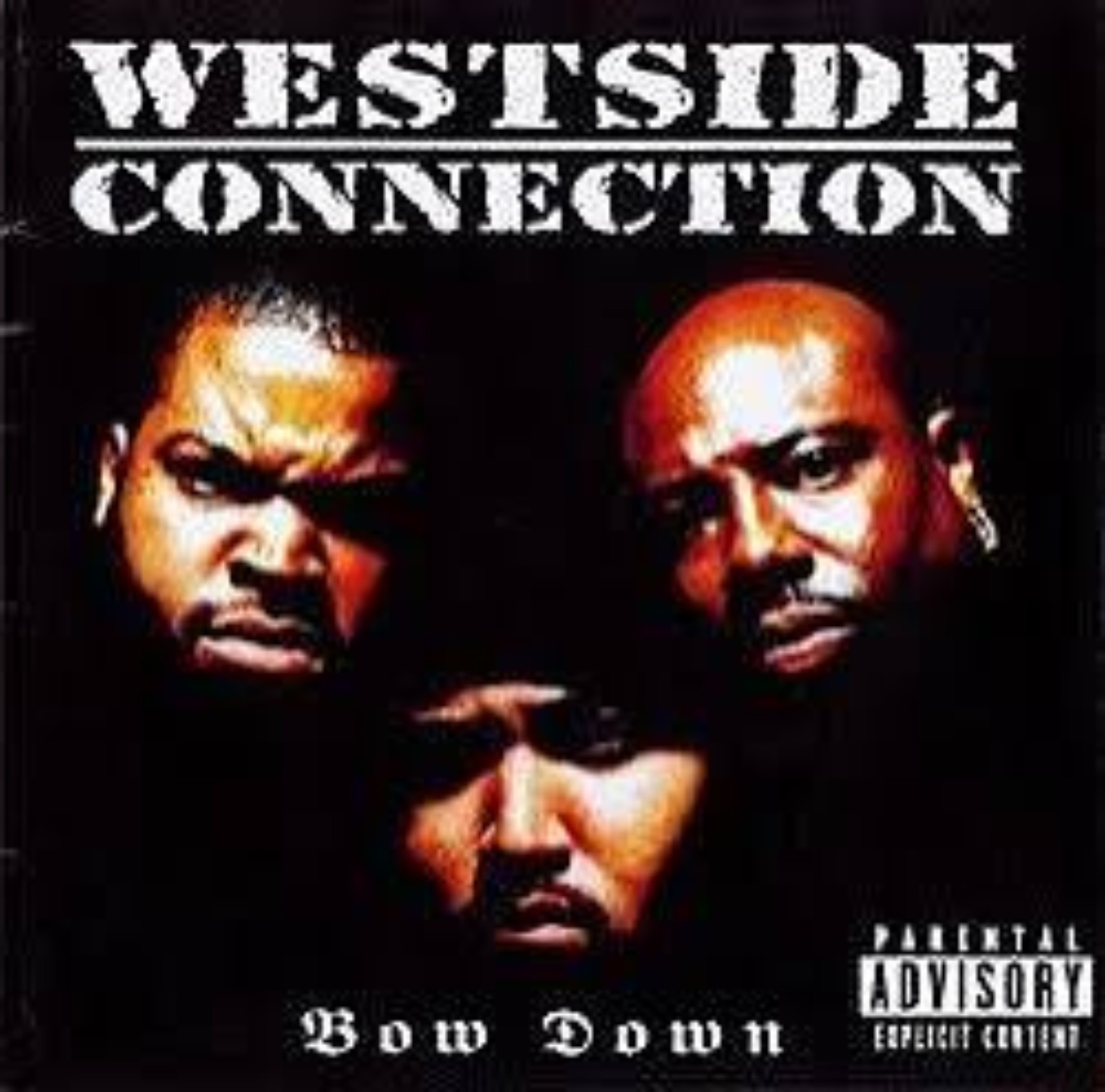
Bow Down
Bow Down earns the last spot because it sounds like a region planting a flag. Ice Cube, WC and Mack 10 were already established West Coast voices, but as Westside Connection they leaned fully into territorial pride, confrontation and L.A. identity. The title track is the obvious centerpiece, yet the album works because the chemistry never feels like three solo artists taking turns. Cube brings command, WC brings one of the most elastic flows on the coast, and Mack 10 gives the group a blunt street edge.
The timing matters too. In 1996, regional tension was already part of the national rap conversation, and Bow Down turned that atmosphere into an entire album without losing the musical side of the equation. The production stays heavy and distinctly California, the hooks are built to be shouted back, and the record helped make Westside Connection feel bigger than a one-off supergroup.
Why No. 25? Because the albums above it have more range, deeper influence or stronger front-to-back construction. But even at the bottom of this ranking, 4DK is dealing with an album that still feels instantly West Coast the second it comes on.
Crenshaw
Crenshaw is the project that made Nipsey Hussle's independence feel like more than a philosophy. The $100 Proud 2 Pay campaign became the headline, but the real reason the tape mattered was that the music backed up the business idea. Nip sounded confident, patient and increasingly clear about the world he wanted to build: ownership, neighborhood loyalty, long-term thinking and self-determination.
The project also catches Nip in an important transition. He was already respected in L.A., but Crenshaw pushed him closer to becoming a national symbol of independent rap. “Checc Me Out” has the crew energy, “The Weather” lets him glide, and “Crenshaw and Slauson (True Story)” turns local geography into autobiography. That balance between street detail and bigger life strategy became central to everything that followed.
We keep it at No. 24 because Victory Lap is the more complete album and the records above Crenshaw have larger historical weight. But this tape belongs here because it changed the conversation around what a modern independent rapper could make, charge, own and represent.
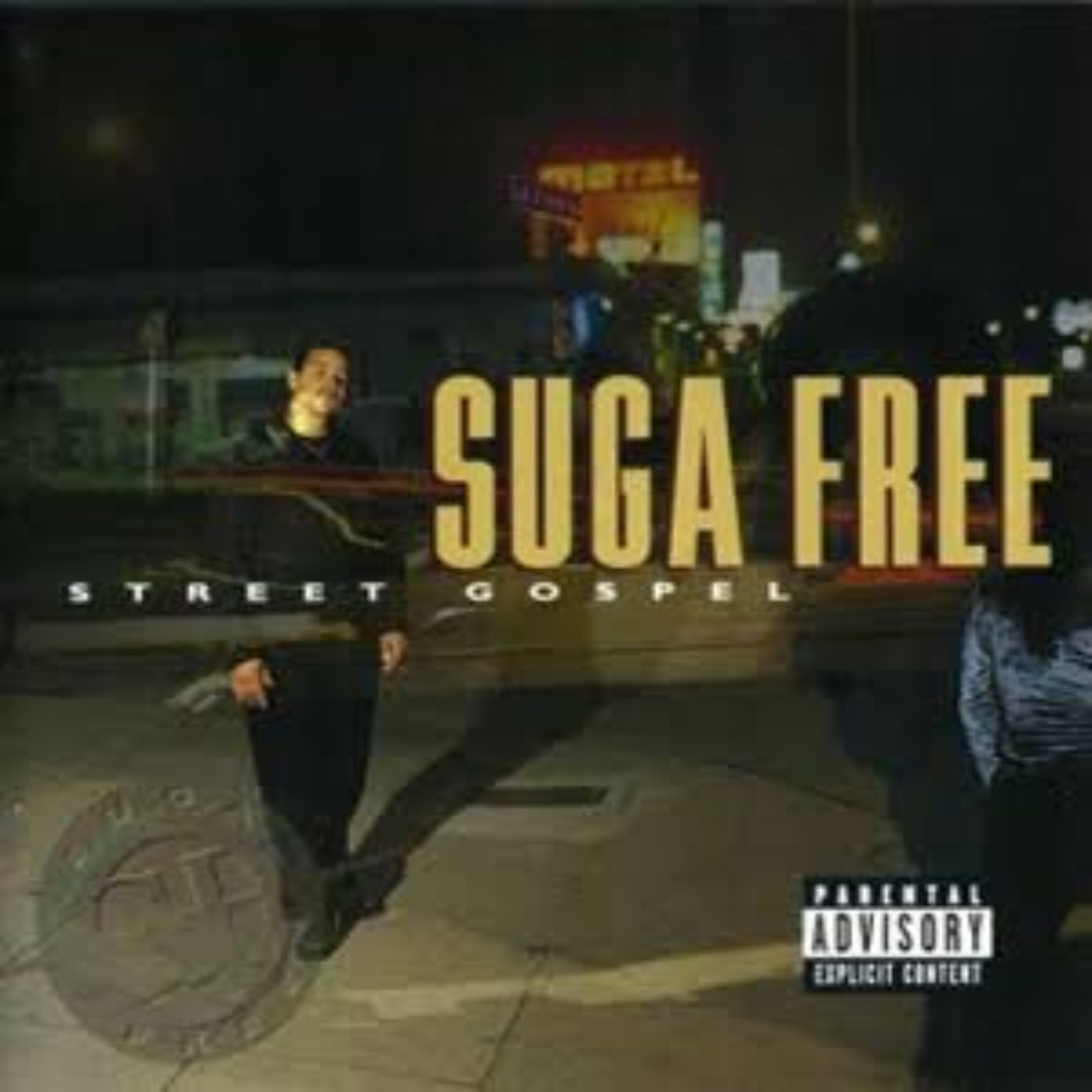
Street Gospel
Street Gospel is one of those albums that could only have been made by one artist in one specific pocket of the West. Suga Free's cadence is part rap, part conversation, part stand-up routine and part controlled chaos. He bends words around the beat, speeds up, slows down, interrupts himself and somehow never loses the groove. DJ Quik's production is the perfect counterweight: musical, funky and polished enough to give all that personality structure.
The album's regional afterlife is what keeps it high in 4DK's memory. It was never a giant crossover blockbuster, but in Southern California it became the kind of record people kept quoting, replaying and passing down. “I'd Rather Give You My Bitch,” “Why U Bullshittin'?” and “If U Stay Ready” capture the humor, game-talk and rhythmic freedom that younger West Coast rappers would continue borrowing from years later.
At No. 23, Street Gospel represents something this list needs: a cult classic whose importance cannot be measured by national chart dominance. Its influence is local, stylistic and long-lasting — exactly the kind of record an all-time regional ranking should protect.
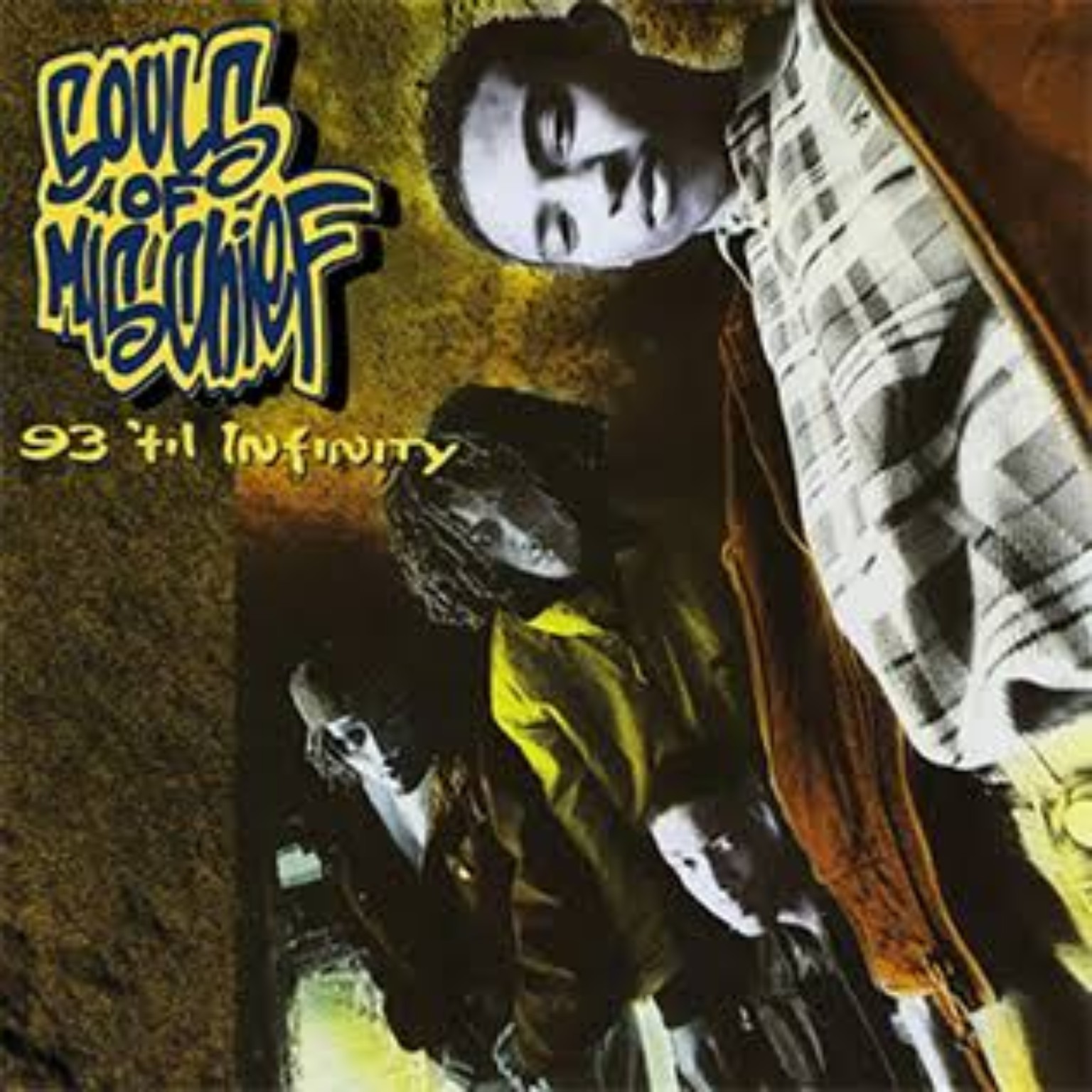
93 ’til Infinity
93 'til Infinity is essential because West Coast history gets distorted when the story is reduced to gangsta rap and G-funk. Souls of Mischief came out of Oakland's Hieroglyphics movement with intricate rhymes, jazz-heavy production and a loose group chemistry that sounded nothing like Death Row. The title track became one of the most durable songs of the decade, but the album is much more than a famous loop and a timeless hook.
The technical side still holds up. The group members trade internal rhymes and multi-syllable patterns without making the songs feel stiff or academic. “That's When Ya Lost” and “Never No More” show how naturally they could move between battle energy and laid-back musicality. The record helped establish an alternative Bay Area lineage built around lyricism, independence and crew identity.
We have it at No. 22 because the albums ahead either changed the national sound more dramatically or carry heavier full-catalog impact. Still, 93 'til Infinity gives this ranking a fuller and more accurate picture of the West: Oakland had its own lane, and Hiero proved the coast was never one sound.
Life Is...Too Short
Life Is...Too Short is an early foundation stone for the Bay Area. Too $hort had already been building locally before this album, but this is where his sound, persona and business instincts reached a much wider audience. The bass-heavy production, plainspoken delivery, humor and pimp-game storytelling were direct, repetitive in the best way and completely committed to his own voice.
What matters historically is how little he needed Los Angeles to validate Oakland. Too $hort built from the Bay outward, and that independent regional mindset became part of Northern California rap culture for decades. “Life Is...Too Short,” “CussWords” and “City of Dope” capture the combination of street detail, comedy and low-end funk that made his music so immediately recognizable.
No. 21 reflects the depth of the field, not a lack of influence. There are more musically ambitious records above it, but very few albums on this list helped establish a regional business model and conversational rap style this early.
Oxymoron
Oxymoron is where ScHoolboy Q turned his unpredictability into a major-label breakthrough without sanding off the parts that made him interesting. Q could sound menacing, hilarious, reckless and reflective within the same stretch of songs, and the album never forces those sides into one clean image. That contradiction is the whole point.
“Collard Greens” and “Man of the Year” gave him records big enough for radio, clubs and festivals, while “Break the Bank,” “Hoover Street” and the darker album cuts kept the Black Hippy/TDE edge intact. The production shifts between grimy, psychedelic and polished without losing Q's personality. It also reinforced how deep that early-2010s TDE roster really was: Kendrick was the centerpiece, but he was not the only one making major West Coast albums.
We place it at No. 20 because Blank Face LP may be the more adventurous Q project, but Oxymoron had the bigger cultural moment and stronger crossover footprint. It is one of the defining modern L.A. albums of its era.
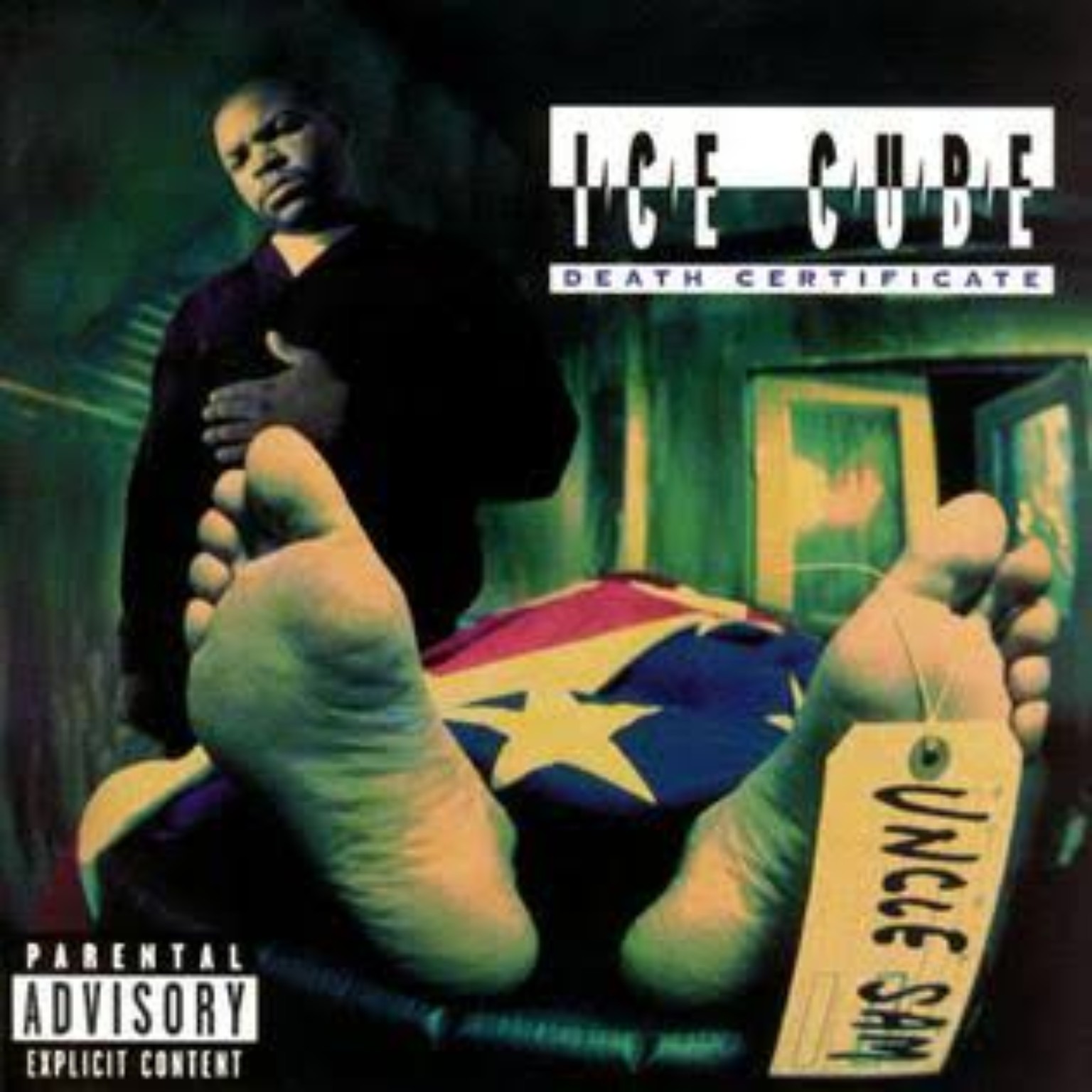
Death Certificate
Death Certificate is Ice Cube operating at maximum confrontation. The album is political, street-level, angry and intentionally uncomfortable, and some of its ideas remain heavily debated decades later. What keeps it central to the canon is the force of Cube's writing. He attacks institutions, hypocrisy, former allies and the conditions around him with the urgency of somebody who believed rap should argue back.
The album's “Death Side” and “Life Side” structure gave the project a larger frame, but the individual records still hit with blunt force. “Steady Mobbin'” is classic Cube swagger, “True to the Game” attacks assimilation and “No Vaseline” remains one of rap's most famous diss records. Sir Jinx and the production team gave Cube a hard, funky canvas that stayed connected to the West while leaving room for his voice to dominate.
Why only No. 19? Because this is one of the deepest regional album lists imaginable. Historically, Death Certificate can be argued much higher. In 4DK's formula — replay value, full-album balance, production, influence and how often the record still gets reached for front to back — the albums above it edge it out.
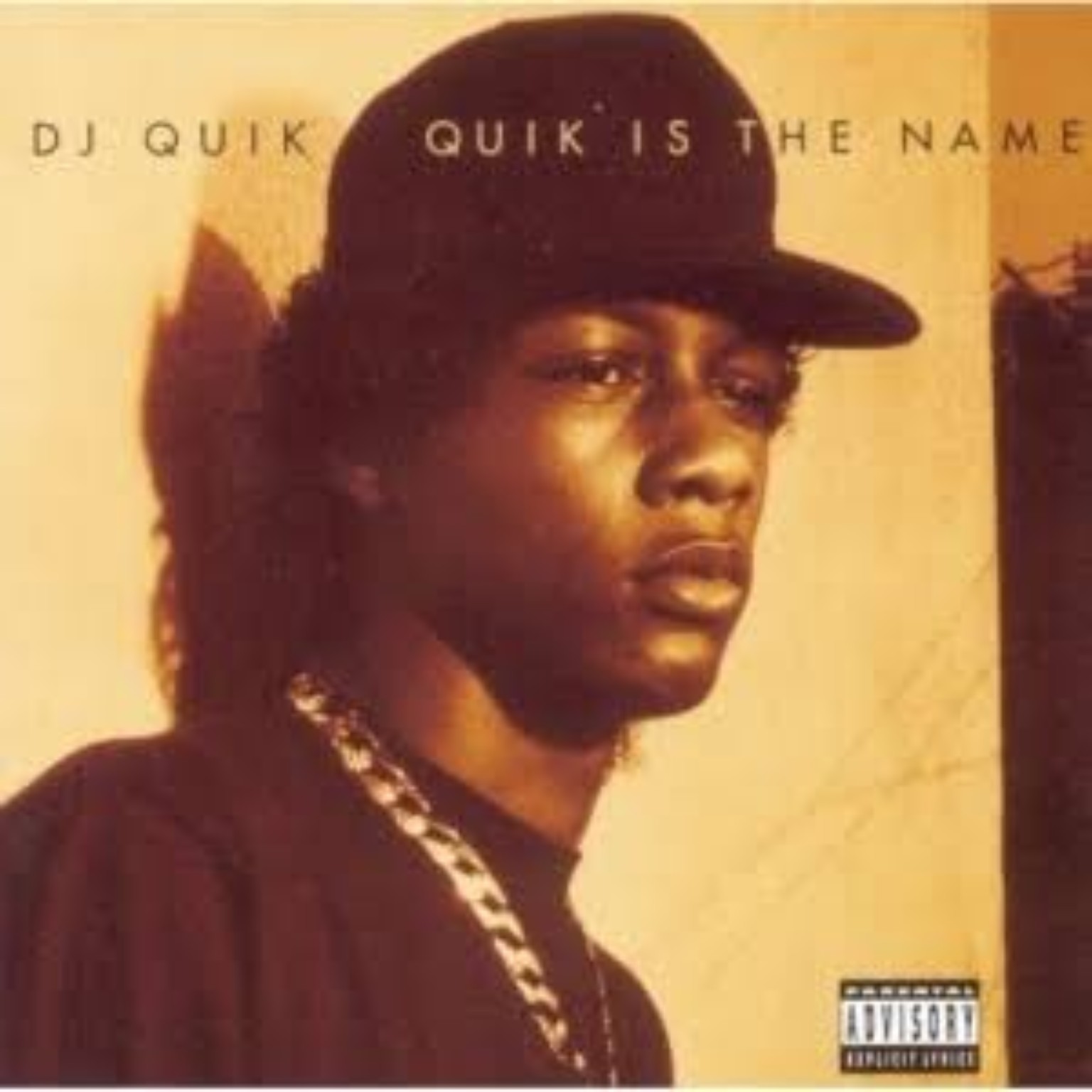
Quik Is the Name
Quik Is the Name introduced the full DJ Quik package immediately: rapper, producer, musician, arranger and personality. The drums knock, the bass moves and the funk never feels pasted on. Quik understood how to make a record feel musical without losing the street energy of Compton, and that balance became one of the signatures of his career.
“Tonite” is the timeless record, but the album is important because it established an entire production language. Quik's drums, keyboard work, live-musician instincts and attention to sonic detail separated him from producers who were only chasing the dominant G-funk template. “Born and Raised in Compton” also made his neighborhood identity explicit without turning the album into a one-note project.
We have the debut at No. 18 because Safe + Sound is arguably Quik's most refined artistic statement, but the historical weight of Quik Is the Name is impossible to ignore. It announced a producer whose fingerprints would spread across West Coast music far beyond his own catalog.
Doctor’s Advocate
Doctor's Advocate mattered because Game had to prove that The Documentary was not simply the product of Dr. Dre, 50 Cent and a perfect industry machine. By 2006, the G-Unit relationship had collapsed, Dre was not producing the album, and the easiest narrative was that Game had already peaked. Instead, he doubled down on being a student of West Coast rap and made another strong, deeply regional record.
“It's Okay (One Blood)” gave him a massive street anthem, “Wouldn't Get Far” showed his ability to turn industry gossip into sharp storytelling, and the title track made the album personal. “Doctor's Advocate” works because Game sounds genuinely conflicted about Dre: grateful, frustrated, hurt and still obsessed with earning approval. That vulnerability gives the project more depth than a simple comeback statement.
No. 17 is about proving durability. The Documentary remains the bigger and better album, but Doctor's Advocate validated Game's place in the West Coast lineage on his own terms. A second classic-level project without the exact team that launched him is a major part of his résumé.
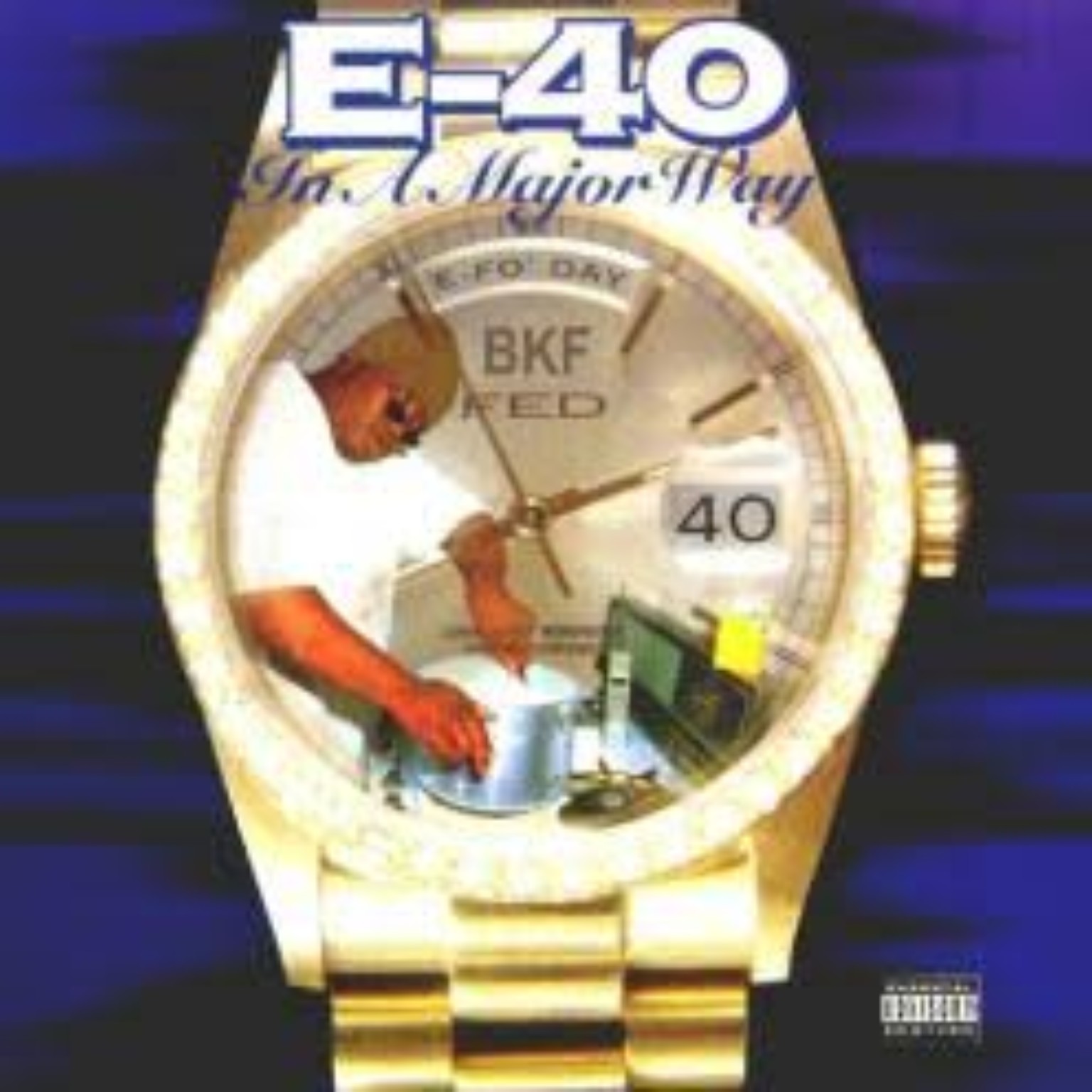
In a Major Way
In a Major Way is where the rest of the country had to start learning E-40's language. His flow sounded elastic, conversational and almost deliberately off-center compared with mainstream rap, while the slang made Vallejo feel like its own universe. Instead of adjusting to national expectations, 40 brought the Bay's vocabulary and rhythm with him.
The album also represents the importance of Sick Wid It and regional self-sufficiency. “Sprinkle Me” is playful and instantly recognizable, “1-Luv” shows more reflection, and “Dusted 'n' Disgusted” brings a darker street energy. Across the record, 40 sounds funny, technical, strange and completely comfortable being all of those things at once.
At No. 16, this is one of the foundational Bay Area entries on the list. Later generations would make his slang, independent mentality and elastic cadences feel normal, but In a Major Way arrived when that approach still sounded like its own dialect.
The Don Killuminati: The 7 Day Theory
The Don Killuminati: The 7 Day Theory sounds like urgency made physical. Compared with the polished scale of All Eyez on Me, the Makaveli album is darker, rougher and more claustrophobic. Pac sounds paranoid, furious, spiritual, wounded and confrontational, often within the same verse. The production leaves more open space around his voice, which makes the record feel even more immediate.
The mythology around the album grew because it arrived after Pac's death, but 4DK does not need conspiracy theories to explain why the music endured. “Hail Mary” became one of his most ominous and iconic records, “To Live & Die in L.A.” gives the album a warm California counterpoint, and “Me and My Girlfriend” turns the familiar gun-as-lover metaphor into one of Pac's strongest concept records.
We keep it at No. 15 because Pac already has two albums higher and the project is less polished and less expansive than those records. Still, its rawness is exactly why so many listeners treat it as his most intense album. It feels less like a release strategy and more like a final transmission.
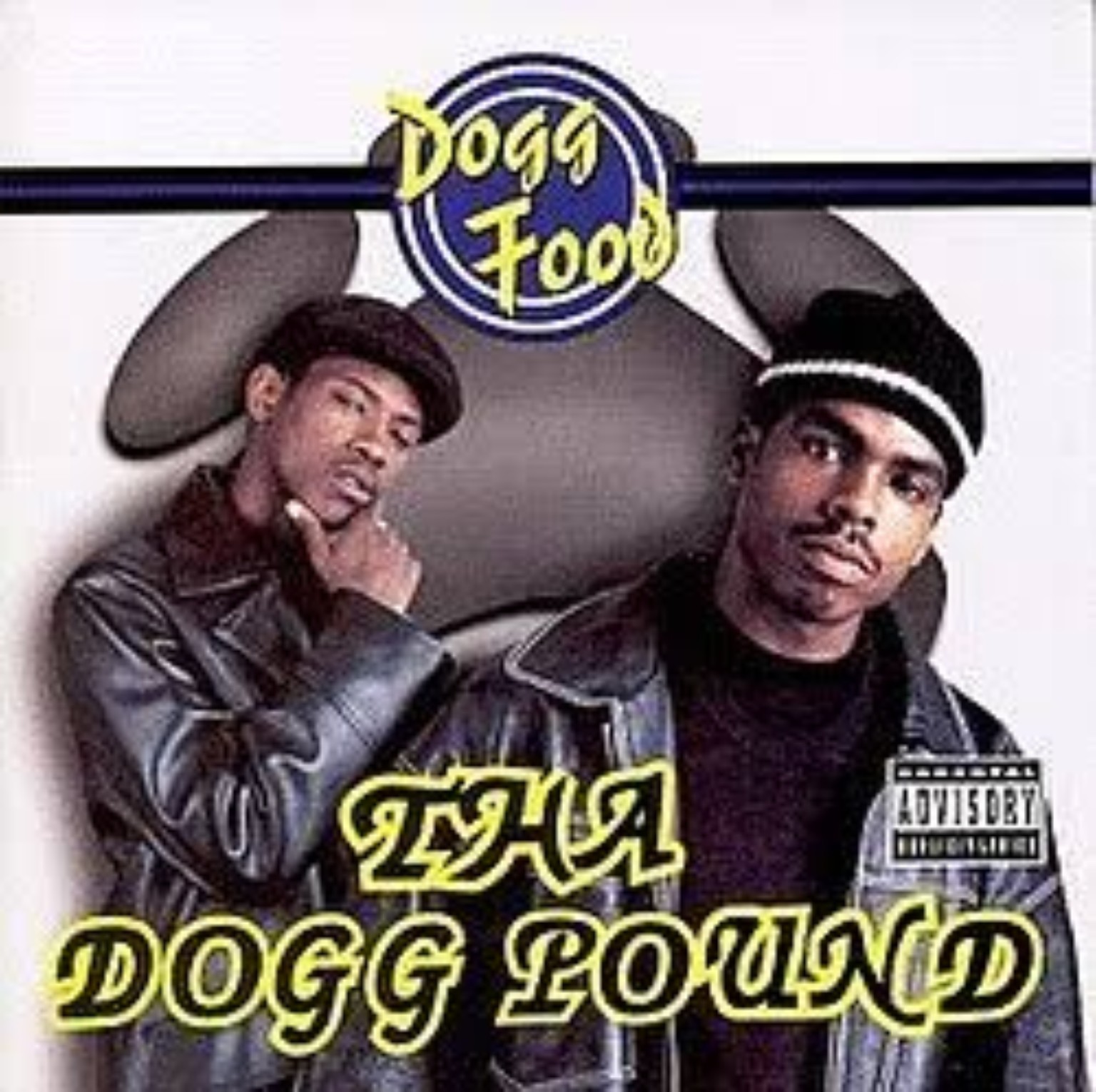
Dogg Food
Dogg Food is one of the hardest pure Death Row albums and one of the clearest arguments for Kurupt's elite MC reputation. Daz provides the production backbone and the chemistry, but Kurupt routinely sounds like he is trying to out-rap everybody in the room. The result combines G-funk groove, gangsta-rap aggression and technical rapping in a way the label's bigger superstar releases did not always attempt.
“Dogg Pound Gangstaz” captures the duo's chemistry, “Let's Play House” shows how easily they could make a smoother record, and “New York, New York” became inseparable from the era's coastal tension. Beyond the headlines, though, the album works because Daz and Kurupt had their own identity. They were not just Snoop's affiliates or Death Row supporting players.
At No. 14, Dogg Food is 4DK giving the duo their proper place in the West Coast canon. The catalog above it contains bigger cultural monuments, but very few records on this list sound nastier, more confident or more purely mid-'90s Death Row.
My Krazy Life
My Krazy Life arrived at a moment when a new generation of L.A. rap was ready for its own defining street album. YG and DJ Mustard took the stripped-down bounce that had been building across the city and put it inside a cinematic concept record about one day in Compton. That combination — club-ready production and narrative structure — is what keeps the album from being just a collection of hits.
“BPT” throws the door open with neighborhood identity, “Who Do You Love?” gives the album national scale, and “Really Be (Smokin N Drinkin)” shows the anxiety underneath the bravado. The skits, sequencing and recurring family voices make the record feel lived-in rather than designed in a boardroom. YG never tries to become a technical-showcase rapper; the strength is clarity, personality and scene-setting.
We put it at No. 13 because it is one of the strongest modern West Coast debut statements. It also documents the Mustard era at full power without letting the producer overshadow the rapper or the story.
My Ghetto Report Card
My Ghetto Report Card is E-40's second major national peak and one of the key albums of the hyphy era. More than a decade after In a Major Way, 40 did not sound like a legacy act trying to catch up. He sounded completely at home in a younger Bay Area movement that had inherited pieces of the language, energy and independence he helped establish.
“Tell Me When to Go” became the anthem, with Lil Jon's minimal production leaving room for 40 and Keak da Sneak to turn slang into percussion. “U and Dat” gave him a giant crossover record, while “Yay Area” made the regional celebration explicit. The album connects Vallejo, Oakland and the wider Bay without pretending they are all the same scene.
No. 12 reflects both music and timing. This was not simply another good E-40 album; it was proof of generational relevance. Very few rappers get to help shape a regional language in the '90s and then become central again when that region explodes nationally a decade later.
AmeriKKKa’s Most Wanted
AmeriKKKa's Most Wanted is one of the most important post-group debuts in rap history. Ice Cube left N.W.A and immediately proved that the writing, political anger and point of view people associated with the group could stand on their own. Working with the Bomb Squad gave him a denser, more chaotic sonic palette than the smoother West Coast production that would dominate later in the decade.
That East-West production partnership is part of what makes the album so distinctive. The drums hit hard, samples collide and Cube raps like he has something to prove on every track. “AmeriKKKa's Most Wanted,” “Endangered Species” and “You Can't Fade Me” show different sides of that intensity: political, street-level and personal.
It stops just outside our Top 10 because the ten albums above it combine influence with even greater replay value or a more fully realized regional sound. But historically, this is a giant. Cube did not just survive leaving N.W.A — he immediately built a solo identity strong enough to become one of the central voices of West Coast rap.
good kid, m.A.A.d city
good kid, m.A.A.d city is where Kendrick Lamar became a major star without flattening the details that made his writing special. Compton is not just scenery; it is a character. Family, friends, pressure, temptation, violence, faith and adolescence move through the album like scenes in a film. The voicemails and sequencing give the story structure, but the records still work outside the concept.
That last part is what makes the album special. A concept album can be impressive and still feel like homework. GKMC has “Money Trees,” “m.A.A.d city,” “Bitch, Don't Kill My Vibe,” “Backseat Freestyle” and “Swimming Pools” — records that became part of everyday rap culture while still serving the larger narrative. “Sing About Me, I'm Dying of Thirst” is the deeper proof: Kendrick could stop the momentum for a long-form storytelling record and make it one of the emotional peaks of the album.
The production mirrors the story. It can feel warm and nostalgic one moment, anxious and violent the next. The Dr. Dre co-sign connected Kendrick to West Coast history, but the album never feels like a young rapper borrowing an older generation's sound. It created its own version of Compton.
No. 10 looks low only because of the names ahead. In almost any modern-rap ranking, this is a centerpiece. On 4DK's all-time West list, it is the album that opens a Top 10 where every project has a legitimate classic argument.
The Documentary
When The Documentary arrived, the West Coast had not disappeared — but it had been a while since a new Compton rapper felt this central to mainstream hip-hop. Game came in with Dr. Dre production, G-Unit momentum, huge features and the hunger of somebody who knew the debut had to feel important immediately. The album delivered a revival without becoming a nostalgia exercise.
Game's strength was always that he was a student of rap history who could still sound like himself. “Westside Story” establishes the mission, “Dreams” gives him room to reflect, and “Hate It or Love It” became one of the defining records of the era. Deeper cuts such as “Start from Scratch,” “Runnin'” and the title track keep the project from becoming a singles package.
The production roster is loaded, but the album remains cohesive because Game's voice and obsession with West Coast lineage stay at the center. Dre's presence gave the project authority, while 50 Cent's contributions and the G-Unit machine gave it crossover momentum. Yet the record still feels more Compton than New York.
We rank it No. 9 because it is the defining Game album and one of the strongest major-label rap debuts of the 2000s. The eight projects ahead either changed the entire direction of West Coast music or reached an even higher artistic peak.
Victory Lap
Victory Lap feels like the payoff to years of Nipsey Hussle building outside the traditional major-label path. The mixtapes, Proud 2 Pay strategy, Marathon philosophy, ownership talk and neighborhood credibility all arrive here in a polished album that still sounds completely like Nip. The production is bigger and the features are bigger, but the worldview does not change.
“Last Time That I Checc'd” is pure arrival music. “Dedication” turns years of grind into a mission statement, while “Double Up” stretches into a patient, cinematic record that lets Nip's voice breathe. Across the album he talks business, street consequences, family, real estate, loyalty and long-term thinking without making the record feel like a seminar. The lessons are inside the music.
That balance is the legacy. Nip finally had a project that could reach a larger rap audience without sacrificing the independence-first identity that made people follow him in the first place. After his death, Victory Lap gained even more emotional weight, but 4DK does not rank it this high because of tragedy. The music had already established the album as his most complete statement.
At No. 8, it represents the modern West at its best: entrepreneurial without losing soul, polished without losing neighborhood detail, and ambitious without sounding detached from where it came from.
Straight Outta Compton
There is no serious history of West Coast hip-hop without Straight Outta Compton. N.W.A made Compton part of the national vocabulary and forced mainstream America to confront a version of Los Angeles that had little to do with Hollywood. Ice Cube's writing, Dr. Dre and DJ Yella's production, Eazy-E's presence and the group's confrontational chemistry made the record feel dangerous because nobody sounded like they were asking permission.
The title track is one of the great album openers because it introduces the entire worldview in a few minutes. “Fuck tha Police” became bigger than the album itself, while “Gangsta Gangsta” showed the group could turn outrage, humor and character into a record that still moved. The album helped codify a form of gangsta rap that would reshape not only the West Coast but the national industry.
Its flaws are part of the reason it sits at No. 7 instead of higher. The album is historically monumental, but the six projects ahead are stronger full listens for us in terms of production depth, sequencing or replay value. That distinction matters because 4DK is not ranking historical importance alone.
Still, as a cultural turning point, this is almost impossible to overstate. It changed the scale of what a West Coast group could become and created the launching point for careers that would dominate the next decade.
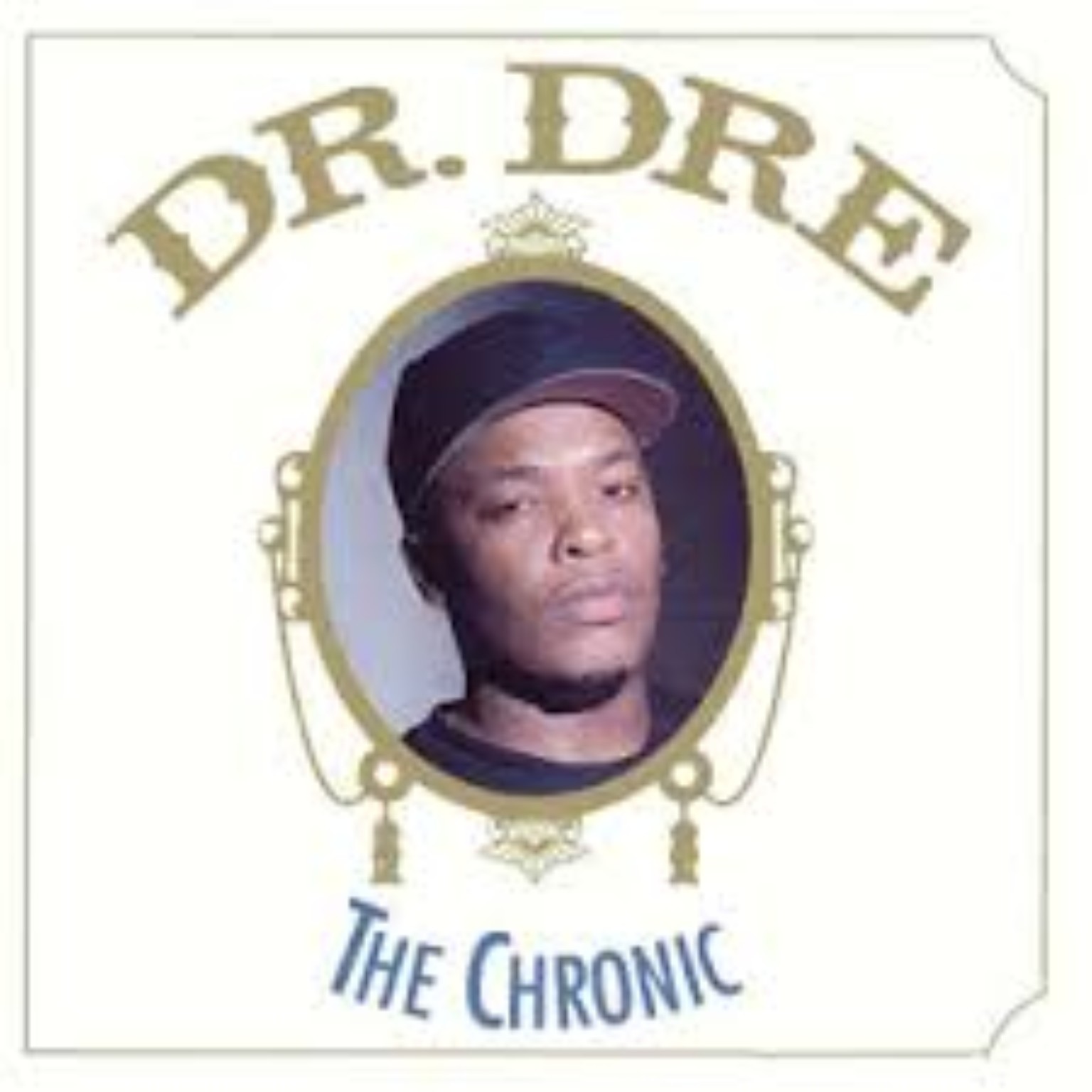
The Chronic
The Chronic is one of those records where the influence becomes bigger than the album itself. Dr. Dre helped turn G-funk into a national language: deep bass, bright synths, P-Funk DNA, slow-rolling drums and enough open space for rappers to sound conversational over enormous grooves. The album made Los Angeles feel like the center of mainstream rap.
It also introduced Snoop Dogg to a much wider audience before Doggystyle. Snoop's relaxed flow against Dre's production became one of rap's perfect combinations, especially on “Nuthin' but a 'G' Thang” and “Dre Day.” “Let Me Ride” shows the other side of the formula — less confrontational, more about pure movement and groove.
The larger Death Row ecosystem starts here. The sound, the visual identity, the roster and the idea of West Coast rap as blockbuster music all accelerate because of this album. Producers across the country borrowed pieces of its bass lines, synth textures and drum programming for years.
If 4DK ranked only historical influence, The Chronic could be Top 3. It lands at No. 6 because the five records above it are albums we value slightly more as complete listening experiences. But as a sonic turning point, few rap albums from any region changed the game this dramatically.
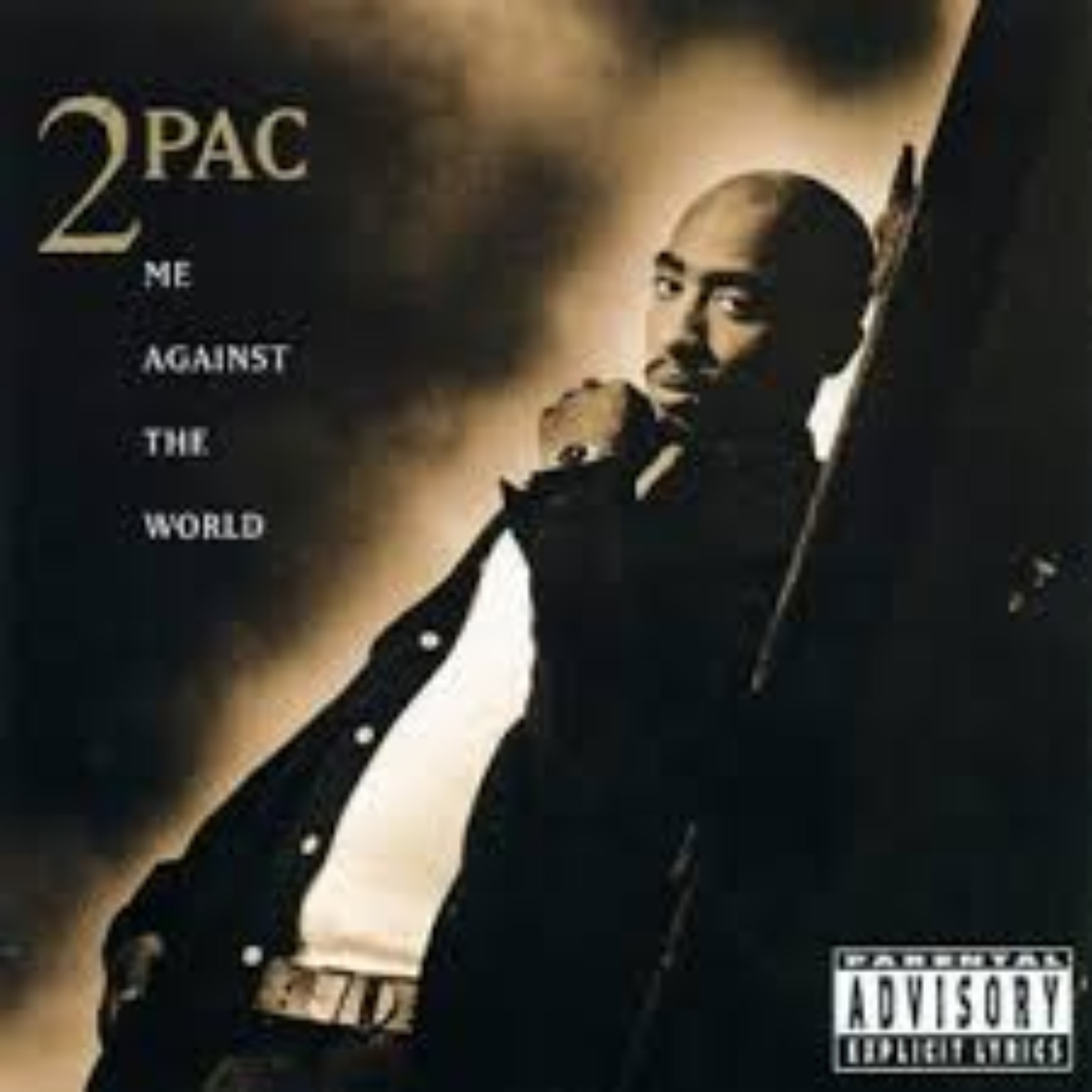
Me Against the World
Me Against the World is where Pac's contradictions feel most human. He is angry, scared, loving, paranoid, reflective and exhausted, and none of those emotions cancel the others out. The album is focused in a way his later work sometimes intentionally was not, and the writing feels less interested in being larger than life than in explaining what that life was doing to him.
“Dear Mama” is the obvious landmark, but reducing the album to its biggest song misses how deep it runs. “So Many Tears” is spiritual and haunted. “Me Against the World” turns isolation into a philosophy. “Lord Knows,” “If I Die 2Nite” and “It Ain't Easy” keep returning to mortality and pressure. Even when Pac is bragging, there is usually anxiety sitting underneath it.
From a pure album-construction standpoint, 4DK can make the case that this is Pac's best project. It is tighter than All Eyez on Me, emotionally richer than many of his most famous records and remarkably cohesive given everything happening around him at the time. The production supports the writing rather than overwhelming it.
So why No. 5? Because this is specifically an all-time West Coast ranking. Me Against the World is a great Pac album first; the four projects ahead are even more directly tied to the classic sound, mythology and identity of West Coast hip-hop. That is a small distinction, but at this level small distinctions decide the order.
2001
By 1999, Dr. Dre did not need to prove he was important. He needed to prove he could still control the sound. 2001 answered that almost immediately. The production is darker, cleaner and more cinematic than The Chronic, and the album never feels like an artist trying to recreate his early-'90s peak. It sounds like a new version of Dre built for a new decade.
The supporting cast is a major reason the album works. Snoop, Eminem, Xzibit, Kurupt, Nate Dogg, Hittman and others all bring different energy, but Dre keeps the sonic world consistent. Hittman's role is especially important because his voice appears throughout the record and helps give the album continuity beyond the marquee guests. “Still D.R.E.” became a permanent anthem, “Forgot About Dre” turned criticism into fuel, and “The Next Episode” became one of the most recognizable West Coast records ever.
Then there is the engineering. The drums are huge without getting muddy, the piano lines are minimal but memorable, and the mixes leave space around every voice. 2001 became a reference point for how polished rap production could sound without losing menace. Producers and mixers have been studying that clarity ever since.
The regional impact matters too. At a moment when the commercial center of rap had shifted, Dre put a major West Coast album back at the center of the national conversation and helped introduce another wave of artists. It did not simply remind people of his legacy — it extended it.
At No. 4, this is the highest Dre album on our list because we reach for it more front to back than The Chronic. The three albums above it simply combine that level of production with an even stronger singular artistic identity.
To Pimp a Butterfly
To Pimp a Butterfly expanded the idea of what a major West Coast rap album could be. Kendrick took the platform he earned with good kid, m.A.A.d city and used it to make something denser, stranger and more rooted in Black musical history. Jazz, funk, soul, spoken word, live instrumentation and rap all exist inside the same world without feeling like disconnected experiments.
The personnel matter. Terrace Martin, Thundercat, Kamasi Washington and a deep group of musicians helped give the album a live, elastic feel, while Kendrick used that sound to wrestle with fame, survivor's guilt, race, exploitation, depression, self-worth and responsibility. “King Kunta” is funky and defiant, “The Blacker the Berry” is furious, and “Alright” grew into something larger than a single because listeners carried it into public life.
The album's structure rewards full listens. The recurring poem changes meaning as the project moves forward, and the closing conversation with Tupac turns the album's internal questions into a dialogue with West Coast history itself. That choice could have felt gimmicky; instead, it underlines how conscious Kendrick was of inheriting a lineage without simply copying it.
Why No. 3? Because 4DK is balancing artistic ambition with regional identity and replay value. TPAB may be the most ambitious album on the list, and it has a real argument for No. 1 on pure artistic achievement. The two projects ahead of it are simply even more inseparable from the classic West Coast sound and mythology.
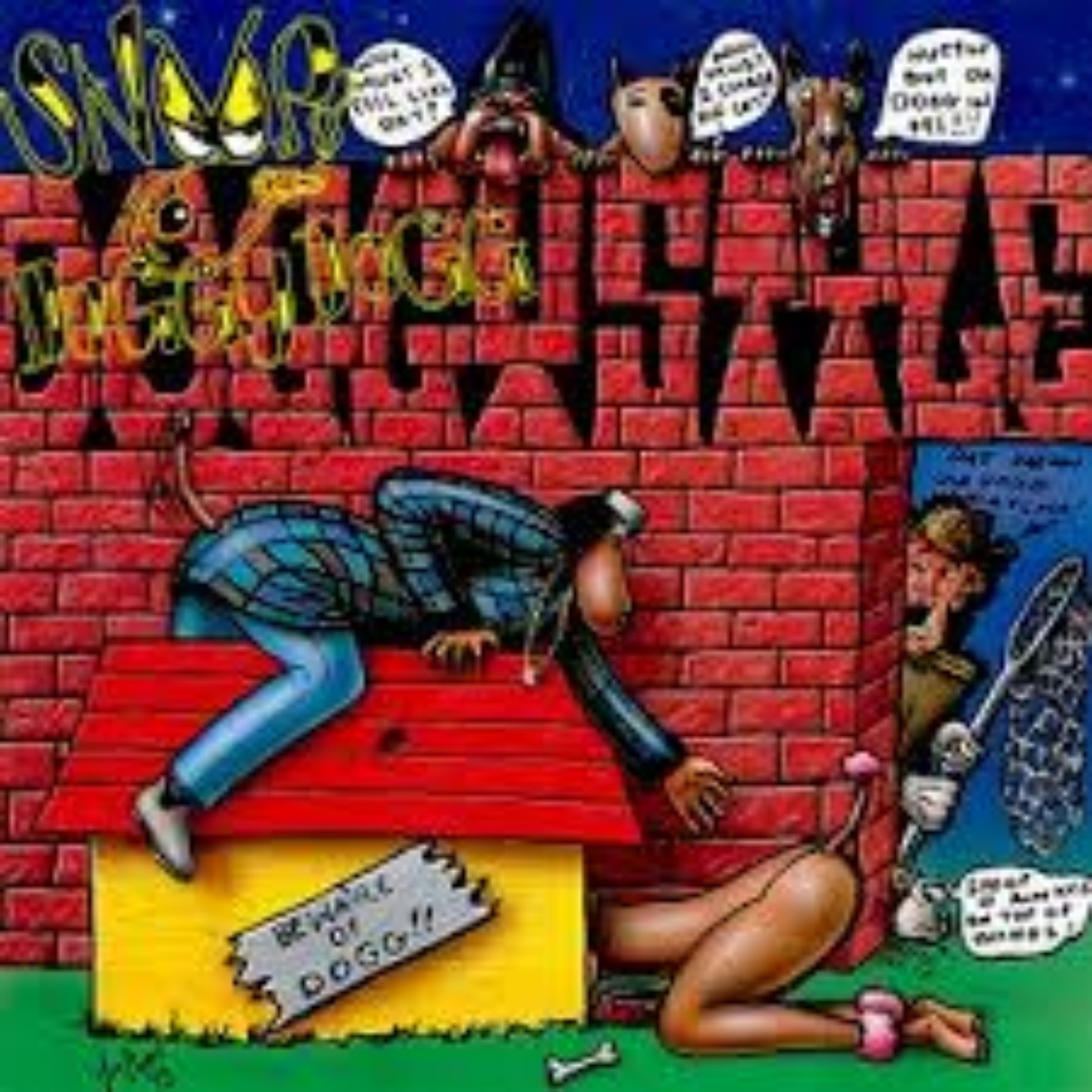
Doggystyle
Doggystyle could be No. 1 and nobody at 4DK would call the argument crazy. Snoop arrived already sounding fully formed: relaxed, melodic, funny, threatening and effortlessly conversational. His voice was so distinctive that even over some of the most influential production in rap history, the personality never gets swallowed by the beats.
Dr. Dre's production makes the album feel like G-funk operating at its absolute peak. The bass lines roll, the synths glide and the drums leave room for Snoop to float. “Who Am I (What's My Name)?” is an arrival statement, “Gin and Juice” became a cultural phrase as much as a song, and “Murder Was the Case” shows how easily the album could turn darker without breaking its sonic world. Even the skits and posse moments feel tied to the same universe.
What separates Doggystyle is replay value. Plenty of historically important albums sound important when revisited; this one still sounds fun. The sequencing moves, the hooks stay in your head and Snoop never sounds like he is working hard to command the record. That effortlessness became a template for generations of West Coast rappers.
The album also turned Snoop into a global symbol of California almost instantly. Long Beach slang, lowrider funk, Death Row imagery and Dre's production became part of mainstream culture, and Snoop's identity was strong enough to survive long after the label era ended.
For us, Doggystyle is 1B. It may be the cleaner, tighter album than All Eyez on Me. The only reason it sits at No. 2 is that Pac's record has a slightly larger sense of scale and a broader footprint across the full mythology of West Coast rap.
All Eyez on Me
All Eyez on Me gets the slightest edge at No. 1 because it feels like the entire Death Row era expanding to maximum size. Pac came out of prison, joined the label and attacked the double album with the energy of somebody trying to make up for lost time all at once. Twenty-seven tracks should have collapsed under their own weight. Instead, the excess becomes part of the statement.
“Ambitionz Az a Ridah” opens the album like a mission briefing. Pac is immediately aggressive, paranoid and fully aware of the attention around him. “California Love” turns the West Coast itself into a celebration. “I Ain't Mad at Cha” shows the reflective side that keeps the album from becoming two discs of pure bravado. Then there are records like “Heartz of Men,” “Only God Can Judge Me,” “Can't C Me,” “Holla at Me” and “Picture Me Rollin'” — deep cuts that would be centerpiece songs in smaller catalogs.
The production is broader than one single G-funk template, which is another reason the record has aged so well. The album can move from glossy party records to ominous street music to personal reflection without losing Pac as the center. His greatest skill was always making emotion feel immediate, and the double-album format gives him enough room to show nearly every side of his personality.
There is also the cultural scale. All Eyez on Me is tied to Death Row at its commercial and mythological peak, to California's mid-'90s dominance, to Pac's image as both superstar and lightning rod, and to a run of songs that never really left West Coast rotation. It helped define how a rap blockbuster could feel: enormous, collaborative, cinematic and still personal.
4DK still believes Me Against the World may be Pac's most focused artistic album. That does not contradict this ranking. This list asks a different question: which project best combines album quality, replay, impact, influence and West Coast identity? On that formula, All Eyez on Me has the narrowest possible advantage.
That is why our final call is Pac at No. 1, Snoop at No. 2 — 1A and 1B, separated by almost nothing.
HONORABLE MENTIONS
No throwaway names. These are the projects that made the cuts hurt.

Section.80
The project that made a lot of listeners realize Kendrick was more than another promising L.A. rapper. The concepts, writing and TDE identity were already there; the major-label leap was still ahead.
Safe + Sound
One of Quik’s most polished ’90s albums and a painful final cut. The musicianship, funk and battle edge make this an easy honorable mention.
Blank Face LP
Arguably Q’s most adventurous album. Dark, weird, detailed and less concerned with chasing the crossover moment that Oxymoron had already given him.
The Predator
A monster early-’90s Cube album with two of his most enduring records. Missing the Top 25 says more about the depth of this list than the quality of the project.
Regulate... G Funk Era
A defining Long Beach G-funk project and one of the hardest cuts we made. “Regulate” alone guarantees its permanent place in West Coast history.
Rhythm-al-ism
Quik’s musicianship was fully developed here. Smooth, funky and technically sharp — the kind of album that makes his catalog so difficult to rank.
GNX
A late-career-in-the-making West Coast statement that arrived with huge momentum. It was simply too new to jump decades of established classics in this particular ranking.
Tha Hall of Game
Another deep Bay Area entry from 40’s prime. The catalog is the reason he had multiple albums survive so deep into our cuts.
Blue Lips
A mature, textured Q album that proved his late-career artistic growth is real. Like GNX, time was the biggest thing working against it.
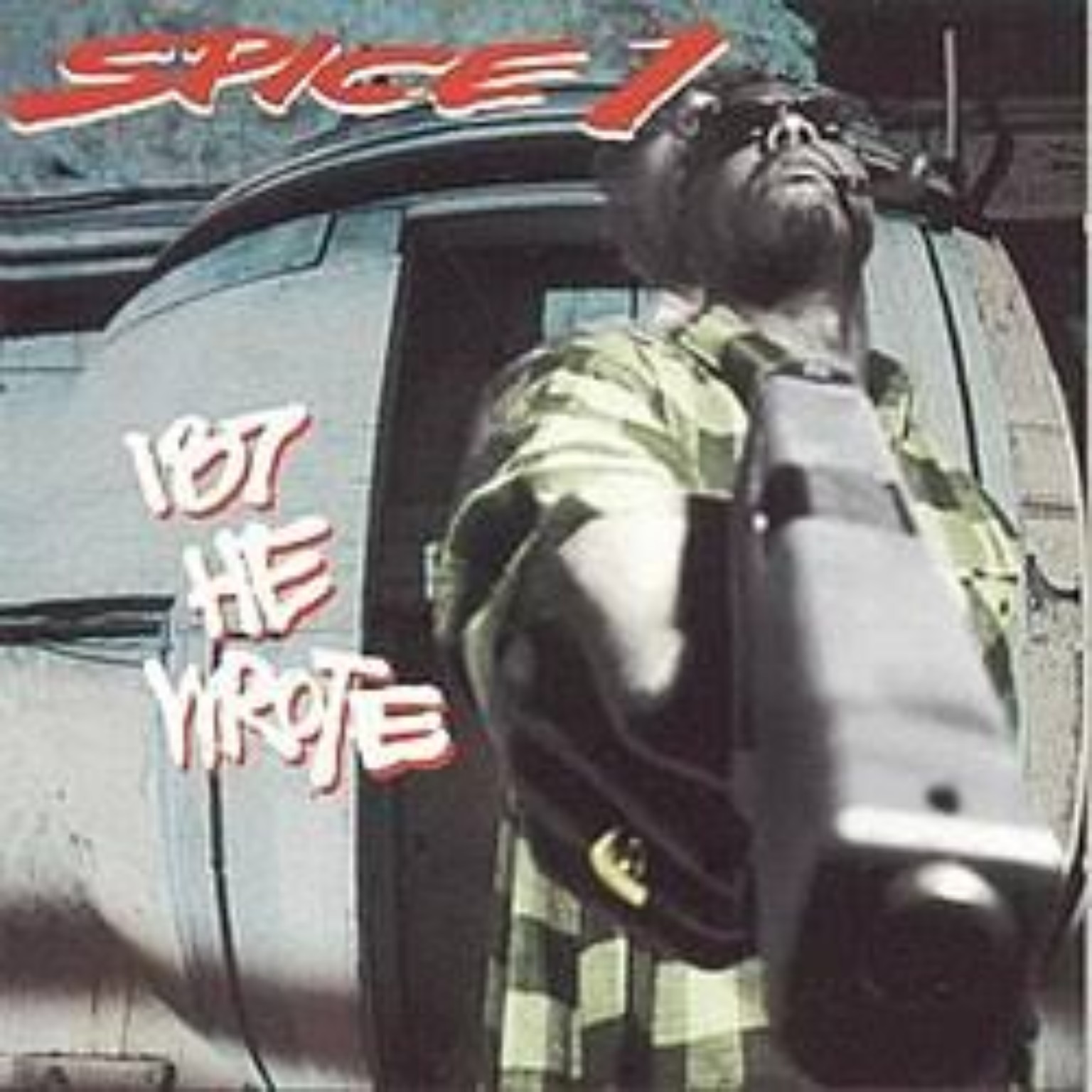
187 He Wrote
Dark Bay Area gangsta rap at a high level. Spice 1’s voice, menace and storytelling give the project lasting regional weight.
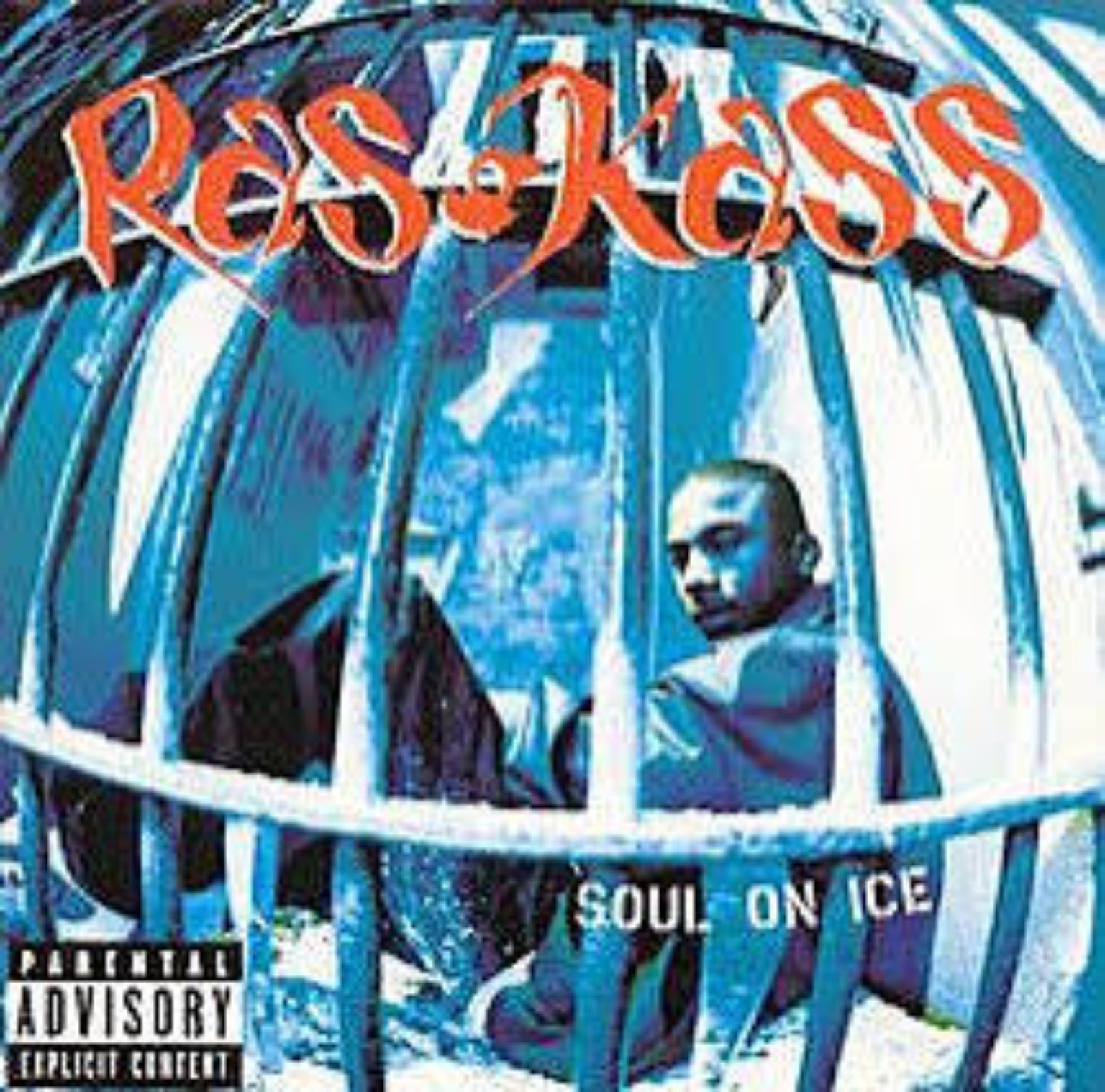
Soul on Ice
A lyricist’s album through and through. “Nature of the Threat” remains one of the most discussed records in Ras Kass’ catalog, and the writing still separates him from the pack.
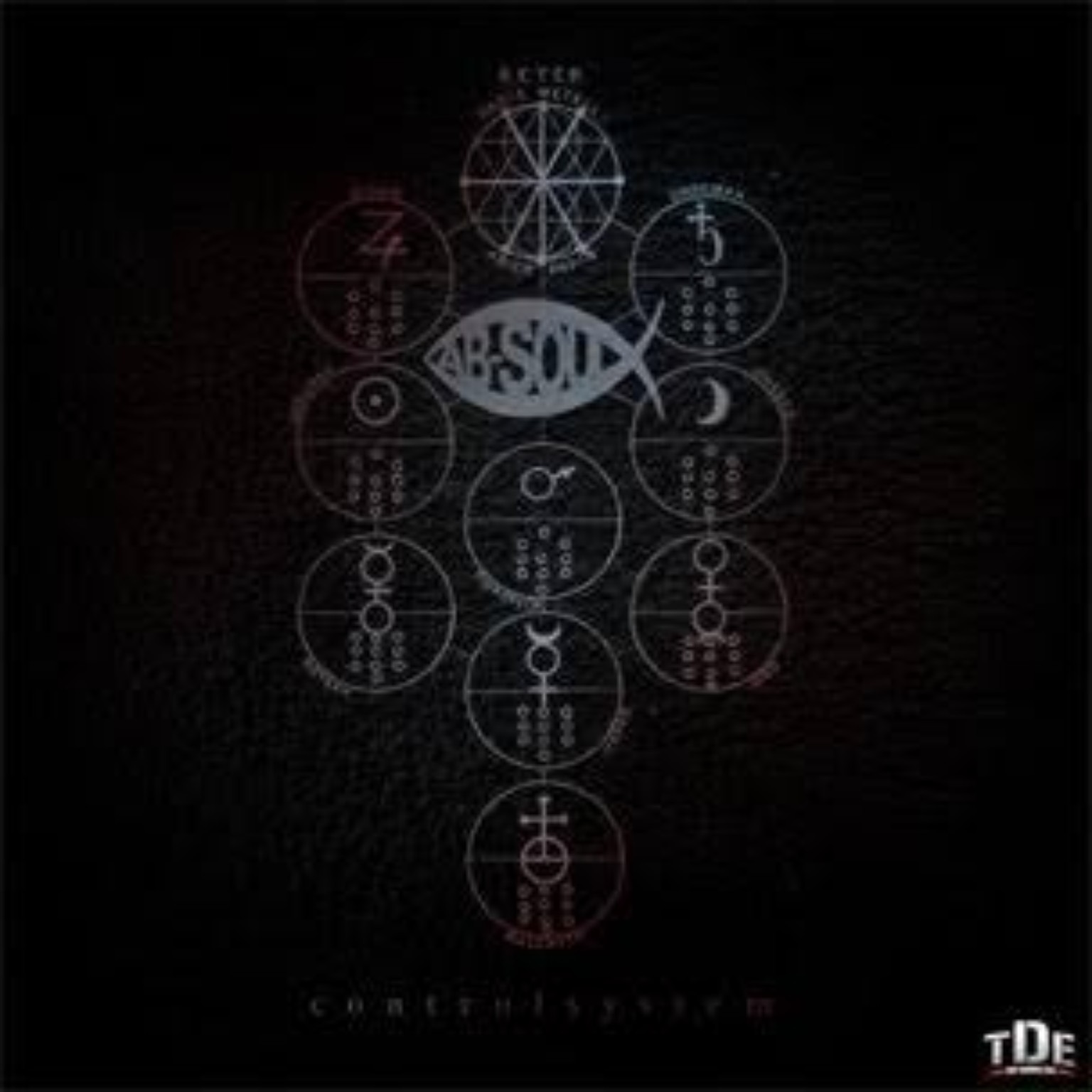
Control System
One of the strongest TDE projects from the crew’s rise. Soul’s dense writing and willingness to go conceptual gave the label another completely different voice.
Restless
The album that best captures Xzibit’s mainstream peak: Dre-era production muscle, a huge voice, real bars and enough crossover power to make him a national star.
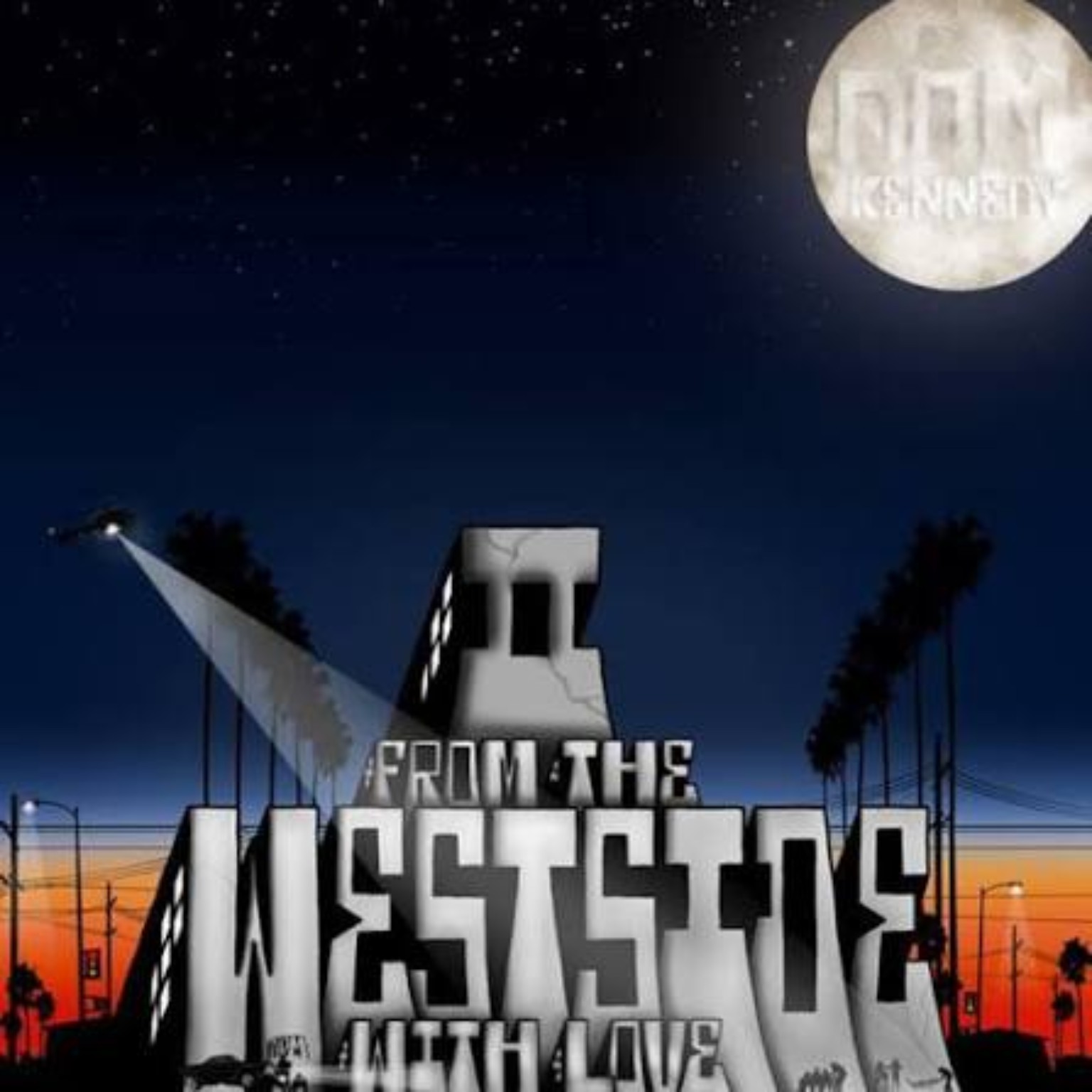
From the Westside With Love II
A cornerstone of Dom’s early-2010s L.A. run. Laid-back, conversational and hugely influential on the city’s blog-era sound.
Mr. Morale & the Big Steppers
Kendrick’s most inward-looking major album. It does not have the same immediate West Coast imprint as GKMC, but the writing and ambition demand respect.
Mailbox Money
Another important chapter in Nip’s independent run. The music kept improving while the business model kept becoming part of the story.
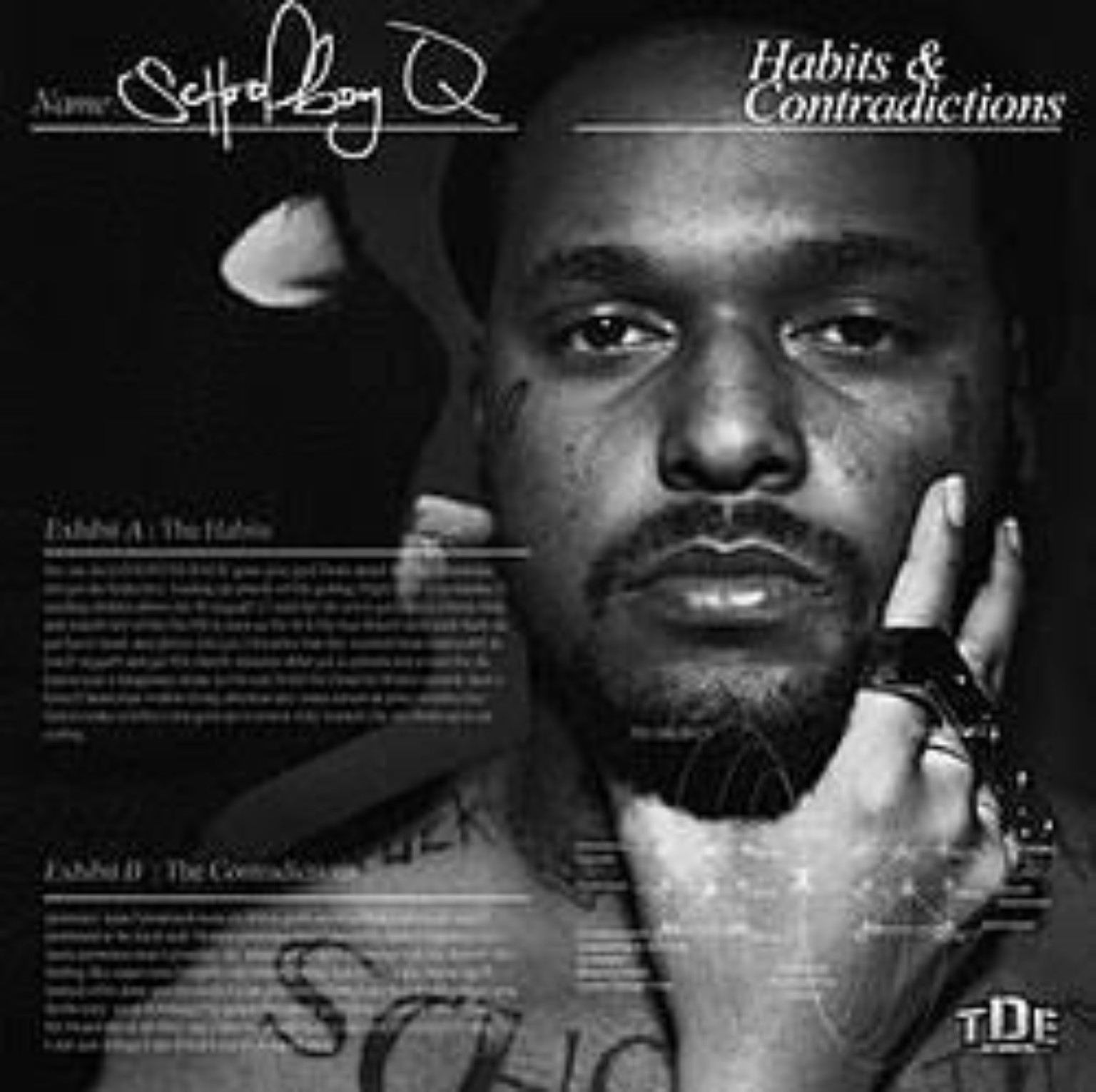
Habits & Contradictions
Rawer than the albums that followed and still a fan favorite. This is the bridge between Q’s early promise and the major breakout of Oxymoron.
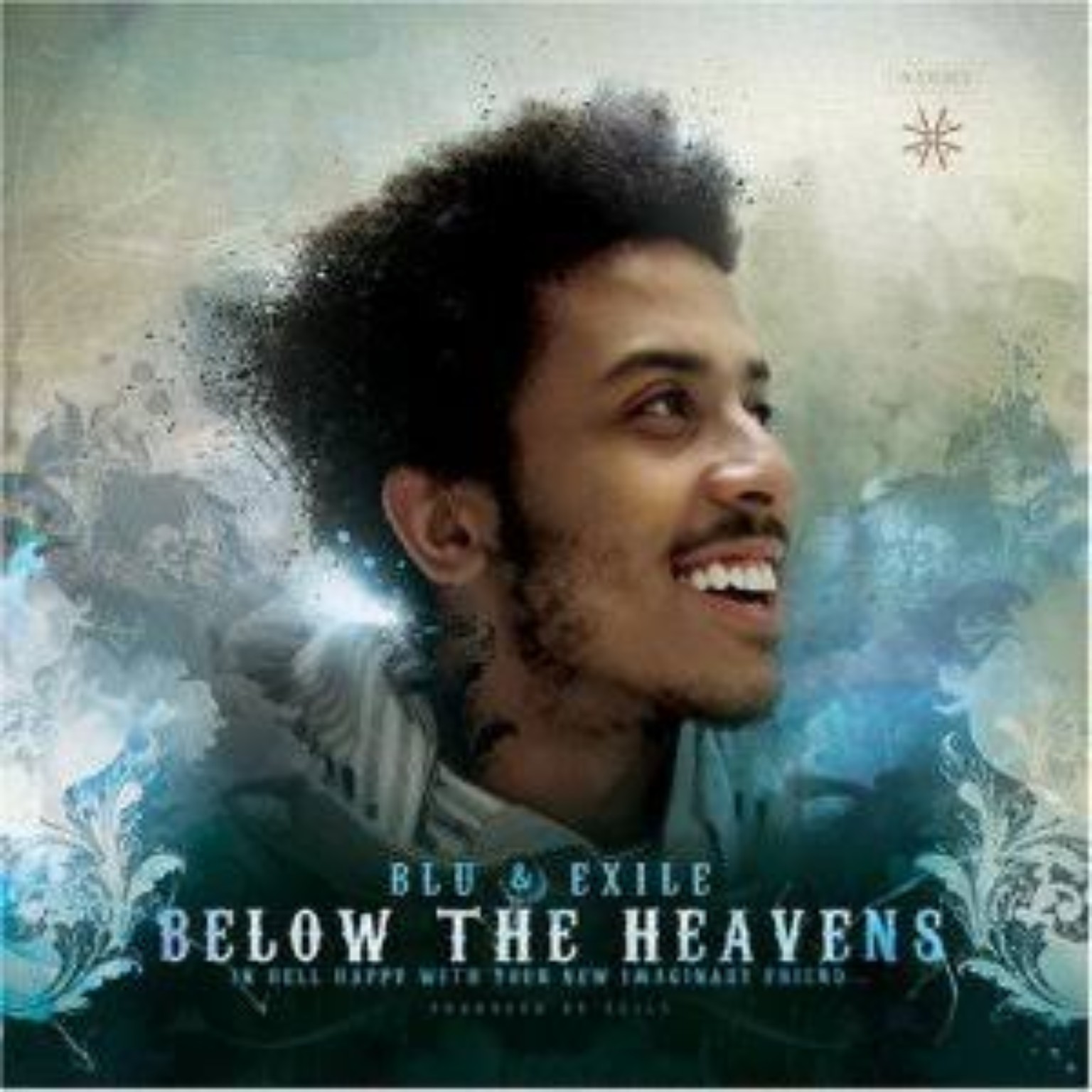
Below the Heavens
A deeply respected L.A. underground classic. Blu’s writing and Exile’s production created an album whose reputation grew steadily long after release.
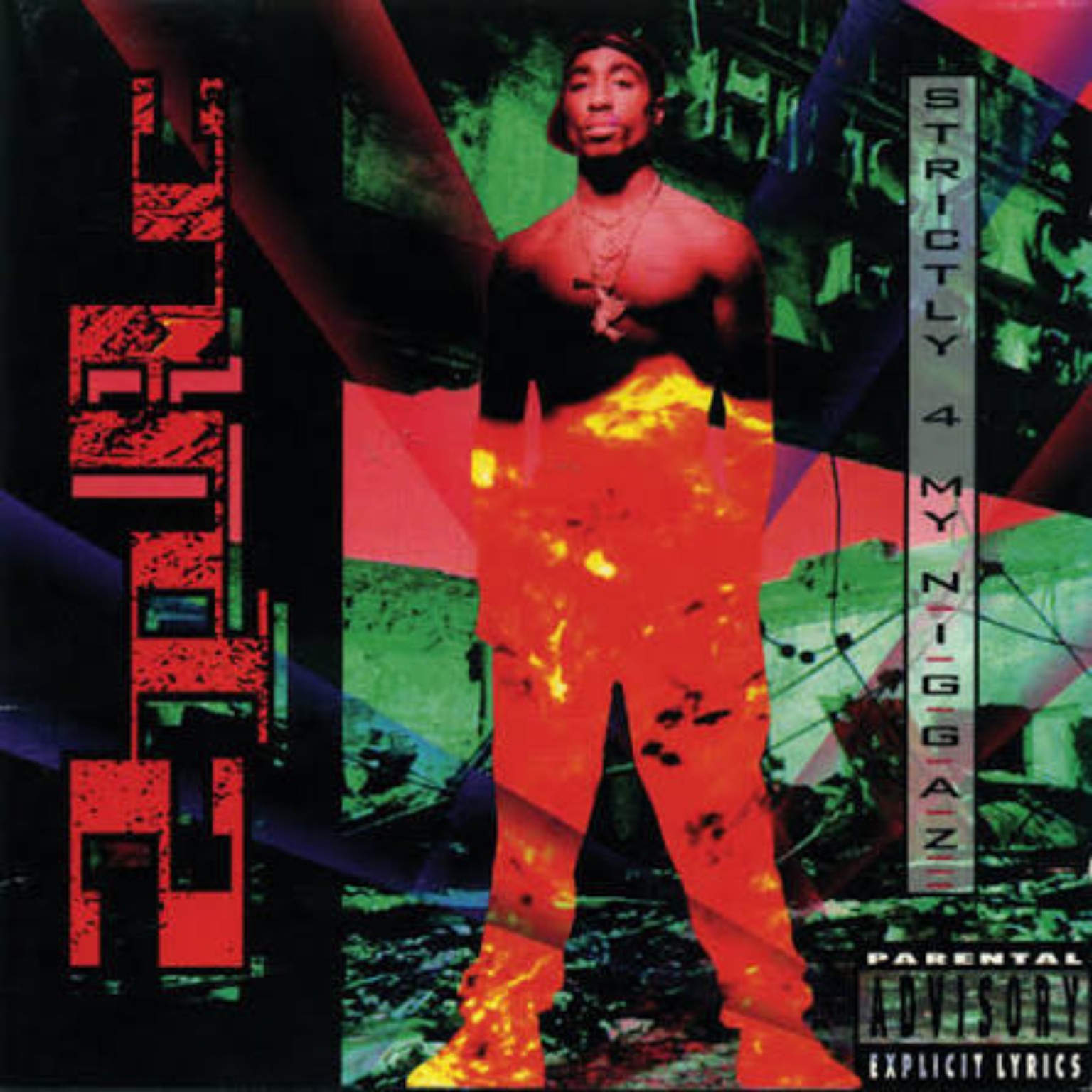
Strictly 4 My N.I.G.G.A.Z...
Pac was still becoming the complete artist here, but the album already contained records that would become essential parts of his legacy.
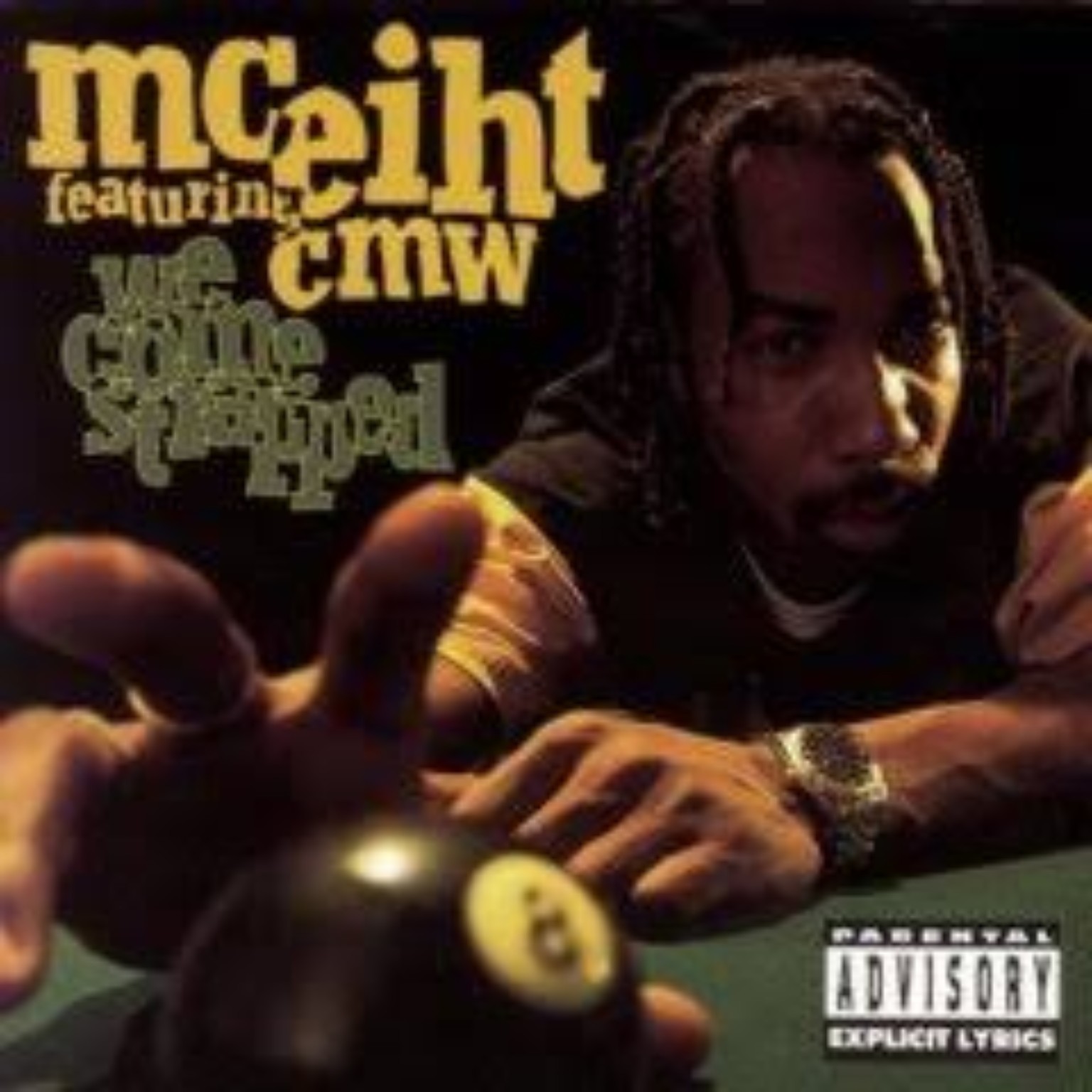
We Come Strapped
Compton street rap with a voice you could recognize in seconds. Eiht’s cool, conversational menace is the whole atmosphere.
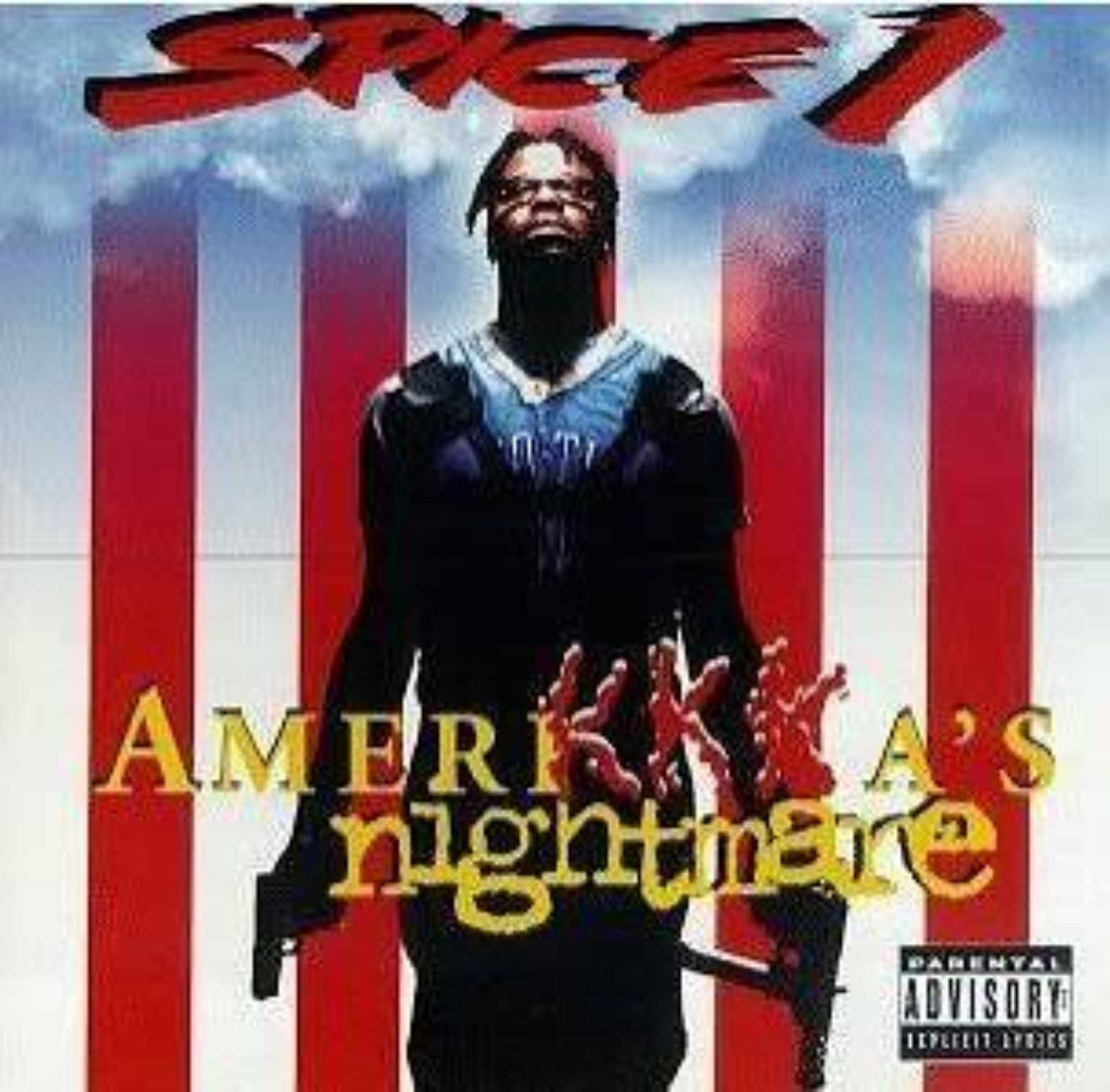
AmeriKKKa’s Nightmare
Another reminder of how deep the Bay’s ’90s bench was. The album kept Spice 1’s dark street storytelling and unmistakable delivery intact.
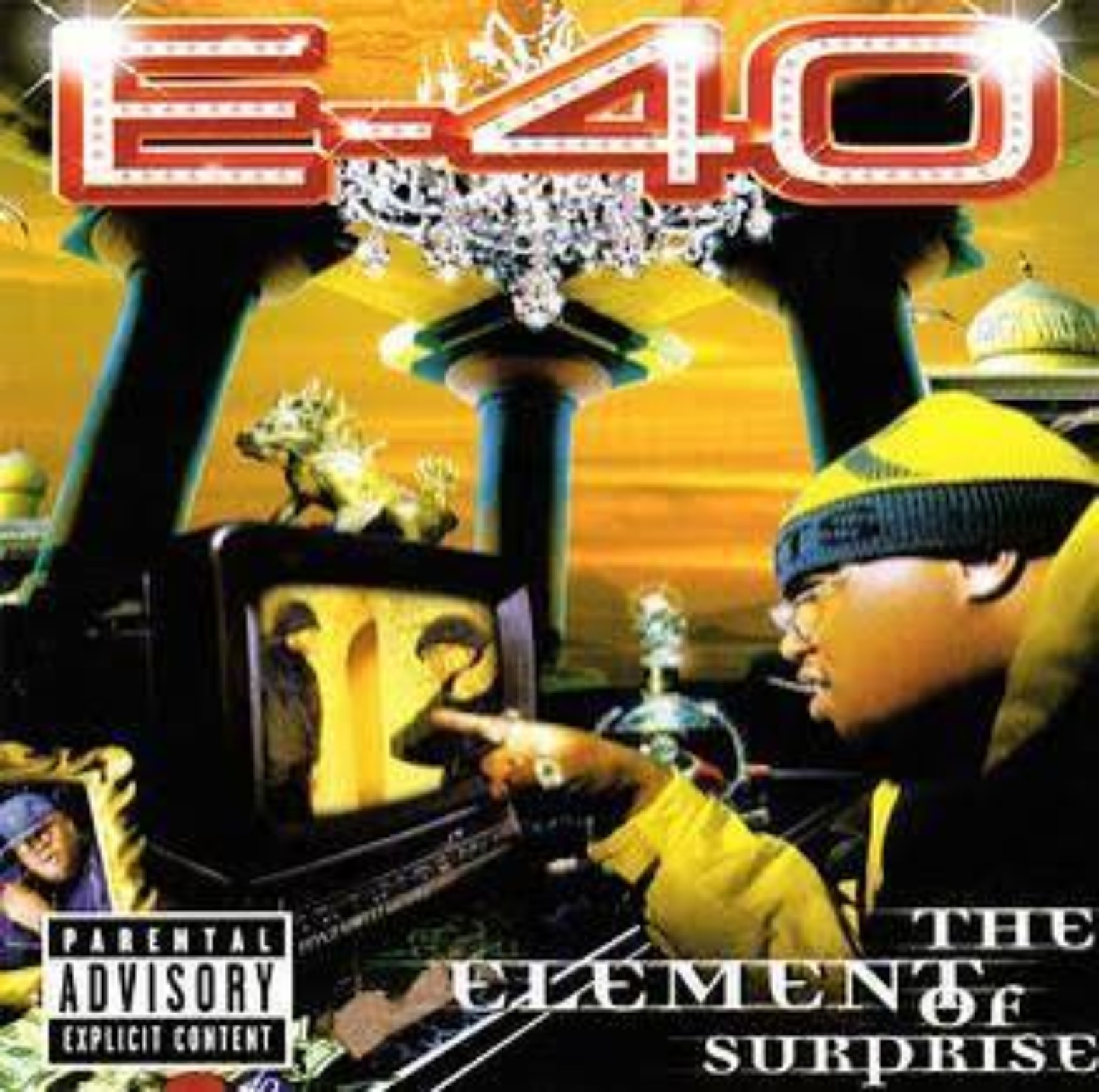
The Element of Surprise
A sprawling late-’90s 40 project that shows just how much material he was producing during his first major run.
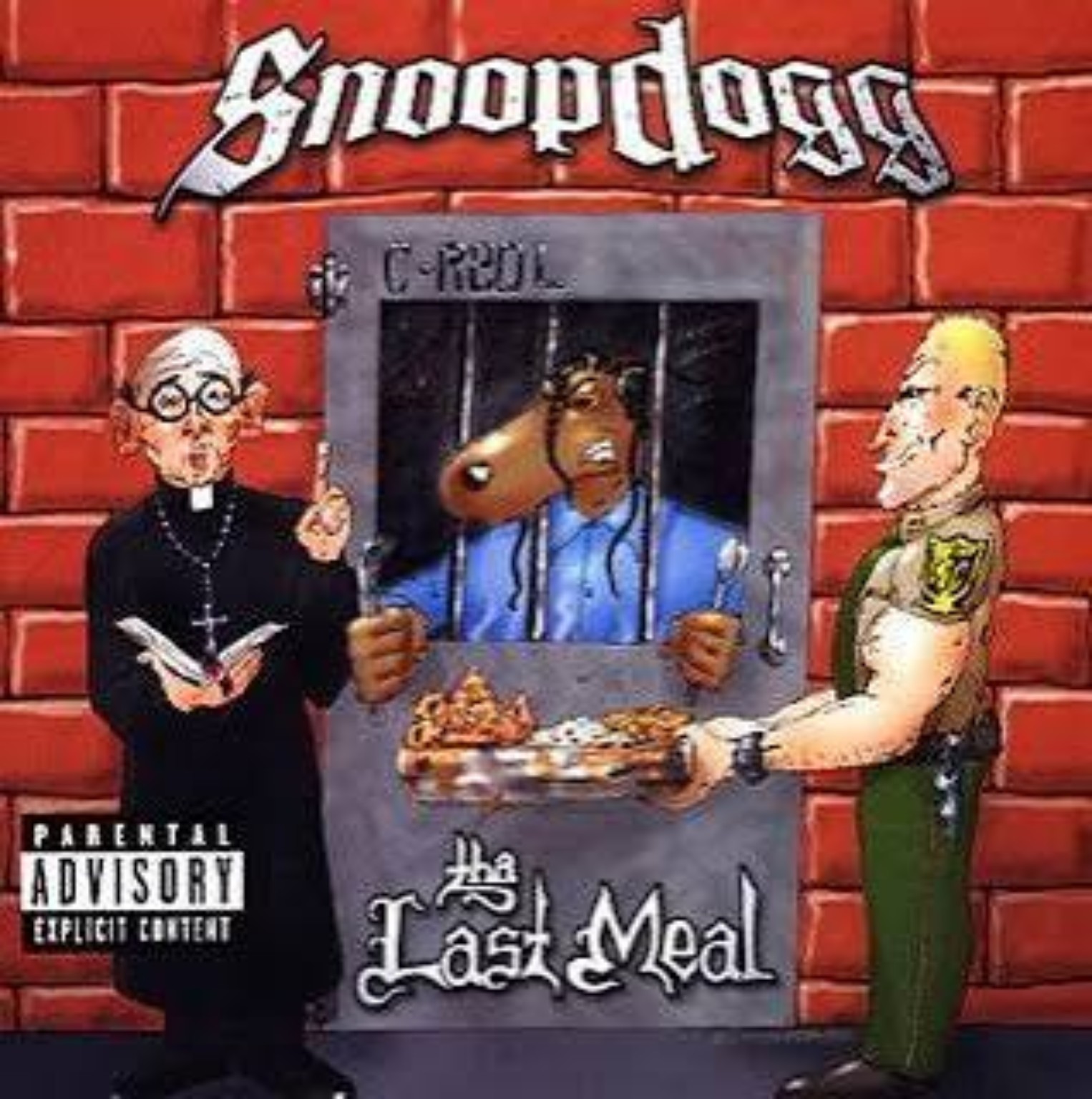
Tha Last Meal
A strong post-Death Row Snoop album that proved he could rebuild his musical identity after one of rap’s most famous label eras.
Big Fish Theory
One of the most adventurous modern West Coast rap albums. Electronic production and Vince’s dry writing made it sound unlike almost anything else in his lane.
The Great Escape
A smooth, grown West Coast record built on chemistry rather than spectacle. Larry’s calm presence over Alchemist production gave the project immediate replay value.
THE WEST NEVER HAD ONE CLASSIC FORMULA.
All Eyez on Me and Doggystyle are 1A and 1B for us. One wins by the smallest edge because of sheer scale and lasting impact; the other set a standard for West Coast sound, charisma and album-making that still feels impossible to duplicate.
But the real story is everything underneath them: Oakland and Compton. Death Row and TDE. G-funk and underground lyricism. Hyphy and blog-era L.A. Independent tapes and blockbuster debuts.
That depth is why cutting more than 100 projects down to 25 was damn near disrespectful.