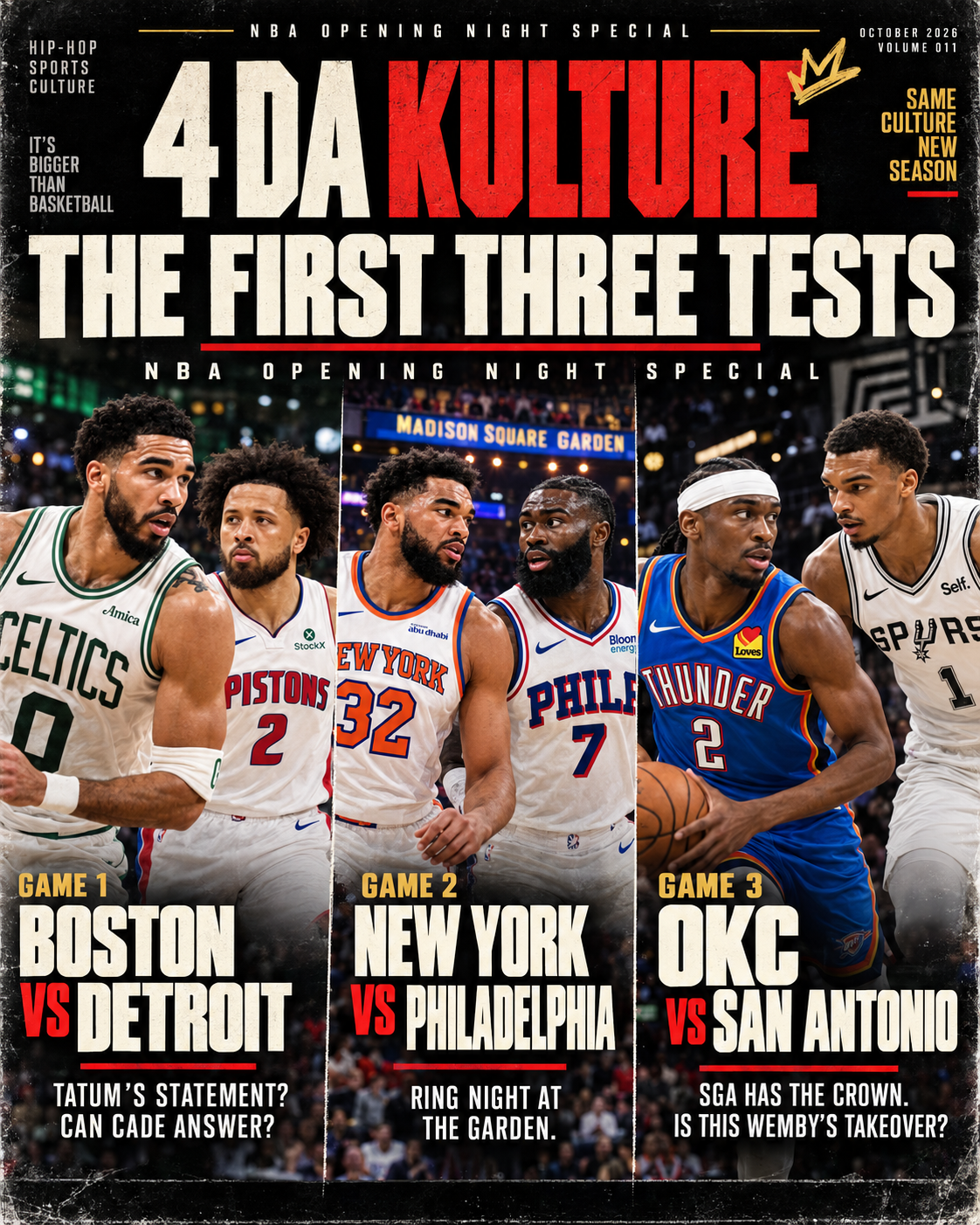
01 / BOSTON AT DETROIT
A statement game, or the first warning sign?
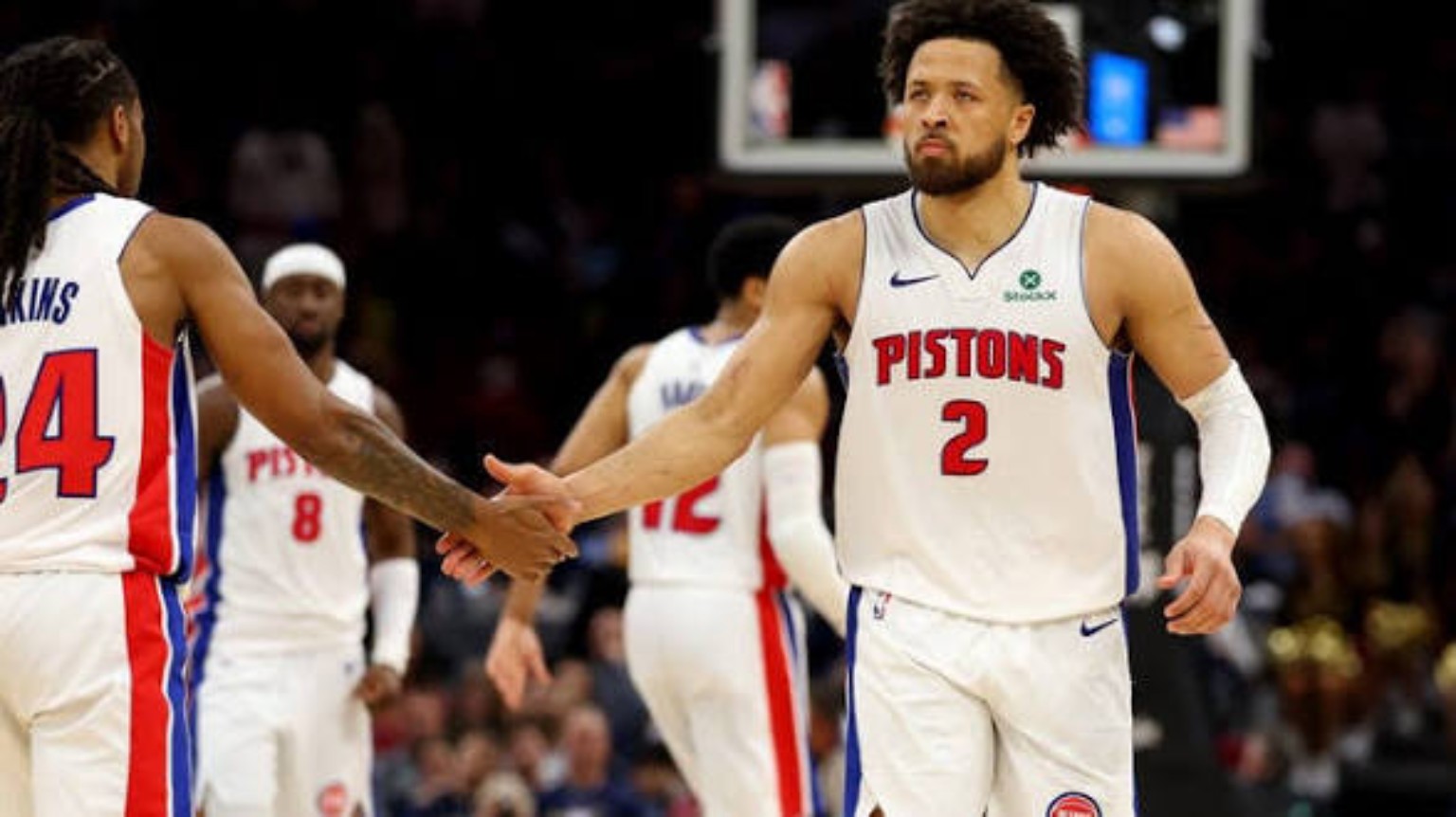
Detroit is not entering this season looking for moral victories. Cade Cunningham has established himself as a lead creator who can organize an offense, get to his spots and dictate the tempo. But the Pistons’ next level depends on what happens when defenses take away his first option. That makes Jalen Duren and Ausar Thompson the two names we keep coming back to.
Our expectation for Duren is ambitious but grounded: 21 points and 11 rebounds is within reach. The bigger test is whether he becomes a more disruptive rim protector and maintains his production when playoff defenses get physical. The contract is a vote of confidence; now comes the responsibility. He must be more than a screen-and-dive finisher. When Cade is trapped, can Duren catch in the middle, make the right read, finish through contact or find the weak-side shooter?
Ausar presents a different question. His defense and athleticism already change possessions. The preseason impression is that he looks more aggressive attacking the basket, more decisive when he catches the ball, and more comfortable taking offensive chances. That is encouraging, but the jumper remains essential. If opponents can park an extra defender in Cade’s driving lanes, Detroit's half-court offense gets crowded. Ausar does not need to become a high-volume scorer; he needs to make that defensive gamble expensive.
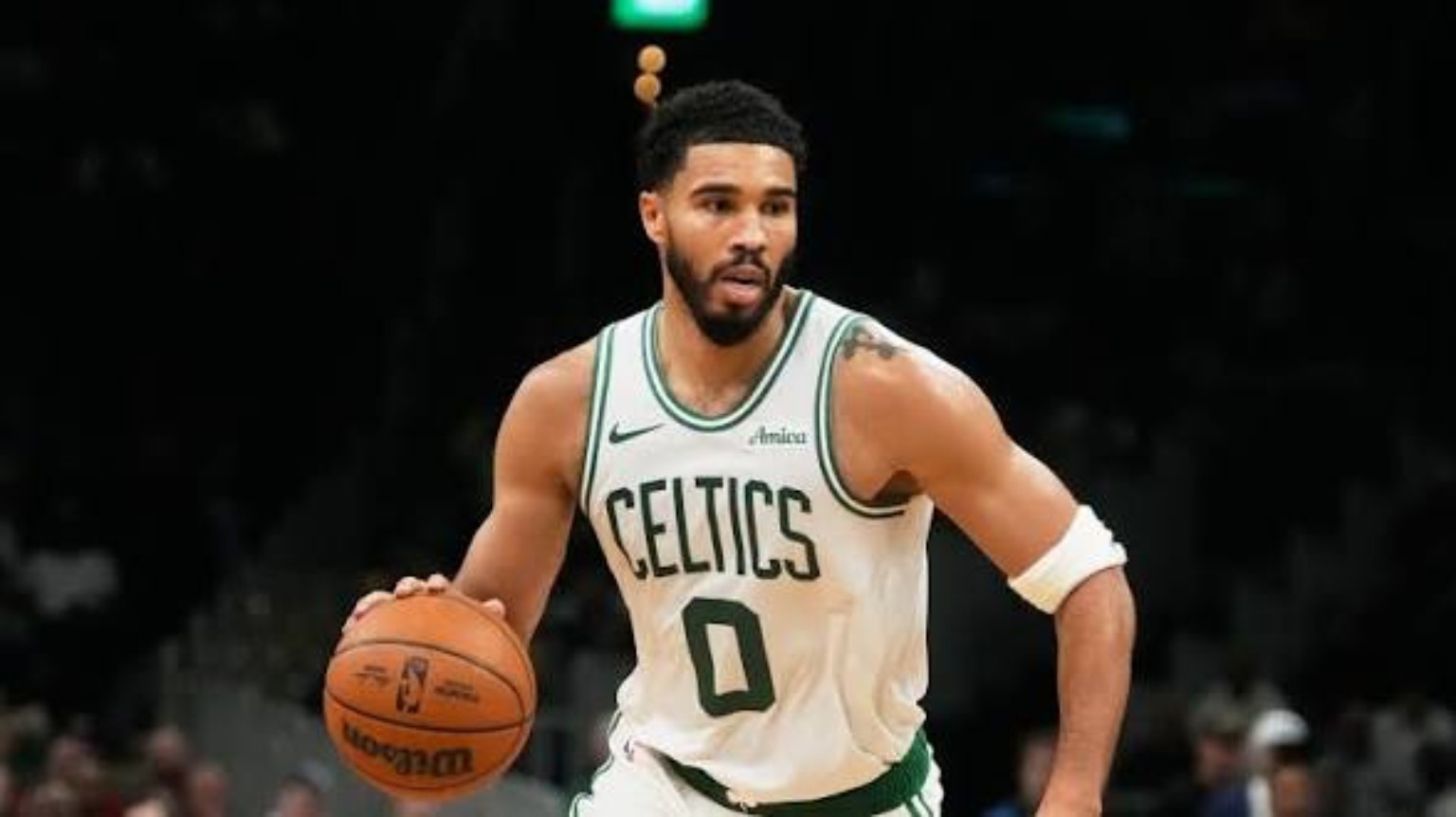
Across the floor, Boston is reshaping the responsibilities around Jayson Tatum. We believe a 28-to-30-point, nine-rebound, four-to-five-assist season is possible. Yet the Celtics’ real story is not Tatum’s box score. It's what their offense looks like over a full 48 minutes. Does Payton Pritchard, at 28 and entering his prime, take the leap into reliable 20-point scoring while keeping his playmaking sharp? Does Derrick White remain the defensive stabilizer and connective passer? Can Paul George provide secondary creation and shotmaking while staying healthy enough to matter consistently?
Detroit should force Boston to answer those questions immediately. Ausar’s physicality, Duren’s presence and Cade’s size can disrupt clean perimeter actions. Boston, meanwhile, can pull Detroit into decisions with spacing, quick reversals and Tatum’s ability to punish mismatches. We will watch how often Tatum gets downhill rather than settling for contested jumpers—and how often his teammates capitalize when Detroit sends help.
The Duren test is about more than points
The 21-and-11 projection is one thing. How Duren gets there is what interests us. There will be possessions when Cade turns the corner and the lob is waiting. Those are the easy reads. Against Boston, pay attention when the defense takes the lob away and asks Duren to put the ball on the floor, finish over size, or kick it to the opposite corner. That is how an athletic center grows into a dependable second offensive option.
The defensive standard has to rise with the paycheck. We want more blocks, absolutely, but a rim protector cannot measure his impact solely by shots he swats into the stands. Does Duren arrive early enough to deter a drive? Can he defend without handing the opponent free throws? Can he rebound after the initial contest? Detroit needs the full package in April and May, not simply a January scoring streak.
Ausar cannot be an offensive hiding place
The preseason impression is that Ausar is attacking with more certainty, and that matters more to us than a single exhibition shooting percentage. The first option after a catch should not automatically be a handoff back to Cade. Put pressure on the gap. Cut behind a defender who turns his head. Run into an open lane before the defense gets organized. And take the uncontested jumper when the possession demands it.
There is an important distinction between asking him to become a primary scorer and asking him to stop being someone the opponent can ignore. Detroit already needs Ausar's defense and his activity. The offensive leap is what could lift the team's collective ceiling. Against a Celtics defense that will gladly rotate help into Cade's path, each decisive Ausar possession becomes evidence that the equation has changed.
Boston: Tatum has the numbers. Where is the balance?
Tatum can go for thirty and nine with five assists. We know the talent is there. But does Boston actually look comfortable? The loss of a high-usage downhill partner in Jaylen Brown puts new attention on the details that do not show up in a Tatum scoring total: the timing of the second action, the quality of the kick-outs, and whether the supporting cast can attack an advantage rather than simply preserve it.
Pritchard might be entering the most important stretch of his career. At 28, his combination of shooting, handle and self-created offense gives Boston a credible path to a 20-point second option. But Detroit will try to make him finish over length and create on demand. Derrick White's role is different: we want him anchoring the defense, connecting possessions and making winning decisions without forcing the offense through him. Paul George can remain a gifted secondary creator, but the body and the calendar must cooperate. A healthy, selective veteran George is more valuable than a worn-down imitation of his prime.
A coaching chess match from the opening tip
Watch Boston's defensive decisions on Cade: pressure him at the point of attack, send a second defender on the turn, or switch across the action and make him finish over size. Each coverage puts a different responsibility on Duren. Detroit, in turn, must choose how aggressively to help on Tatum while avoiding a steady stream of open looks for Pritchard and White.
If Boston wins because Tatum erupts while everybody else plays their natural part, that is a meaningful start. If Detroit loses but Duren and Ausar clearly show new dimensions, that still matters in an eighty-two-game season. Neither outcome alone settles the East. The quality of the possessions tells us more than the final score.
THE 4DK PICK: BOSTON. We expect Tatum to approach this opener with something to prove. It is only one game, not a referendum on either team, but a statement performance is absolutely on the table.
02 / PHILADELPHIA AT NEW YORK
The new superteam meets the defending champs
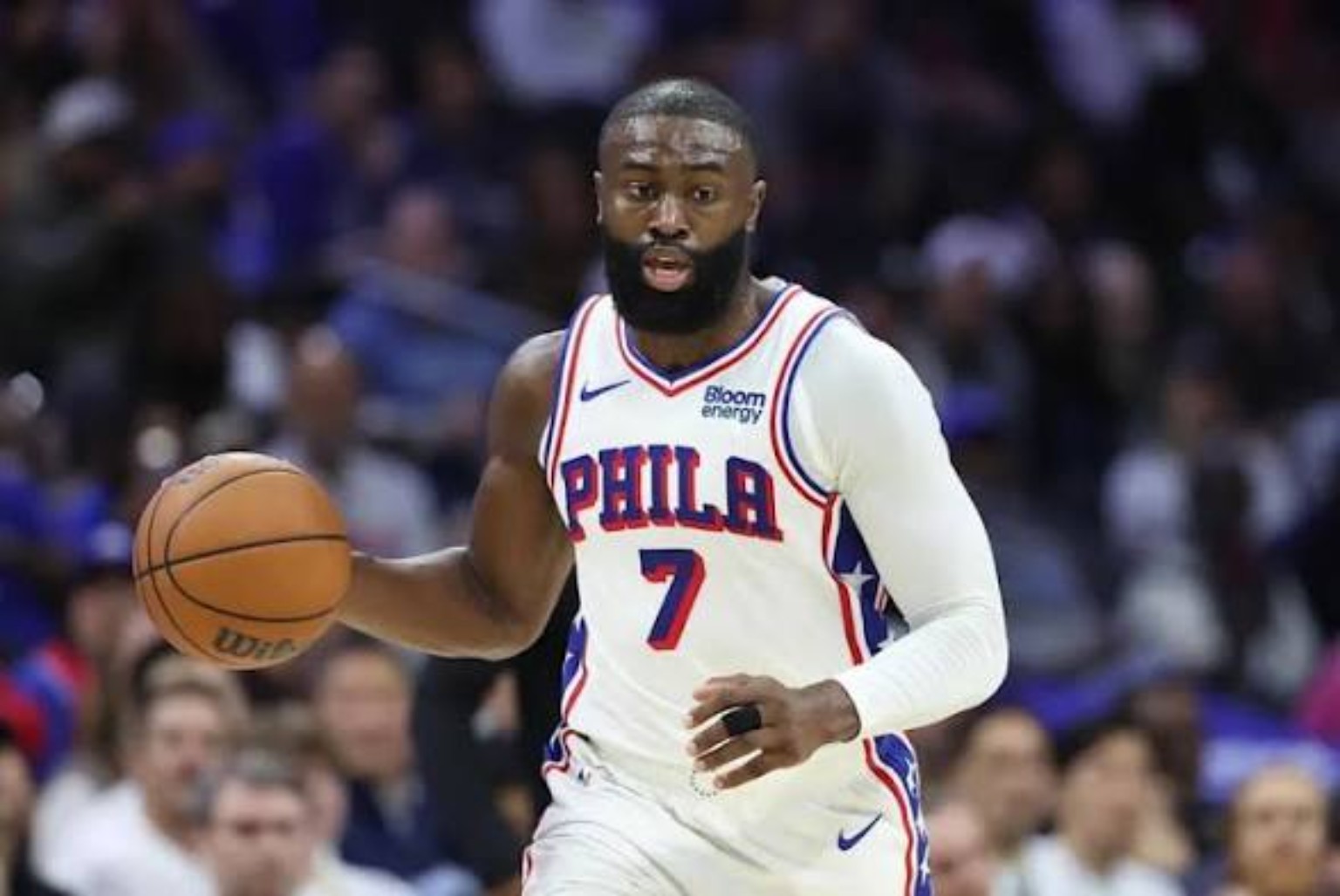
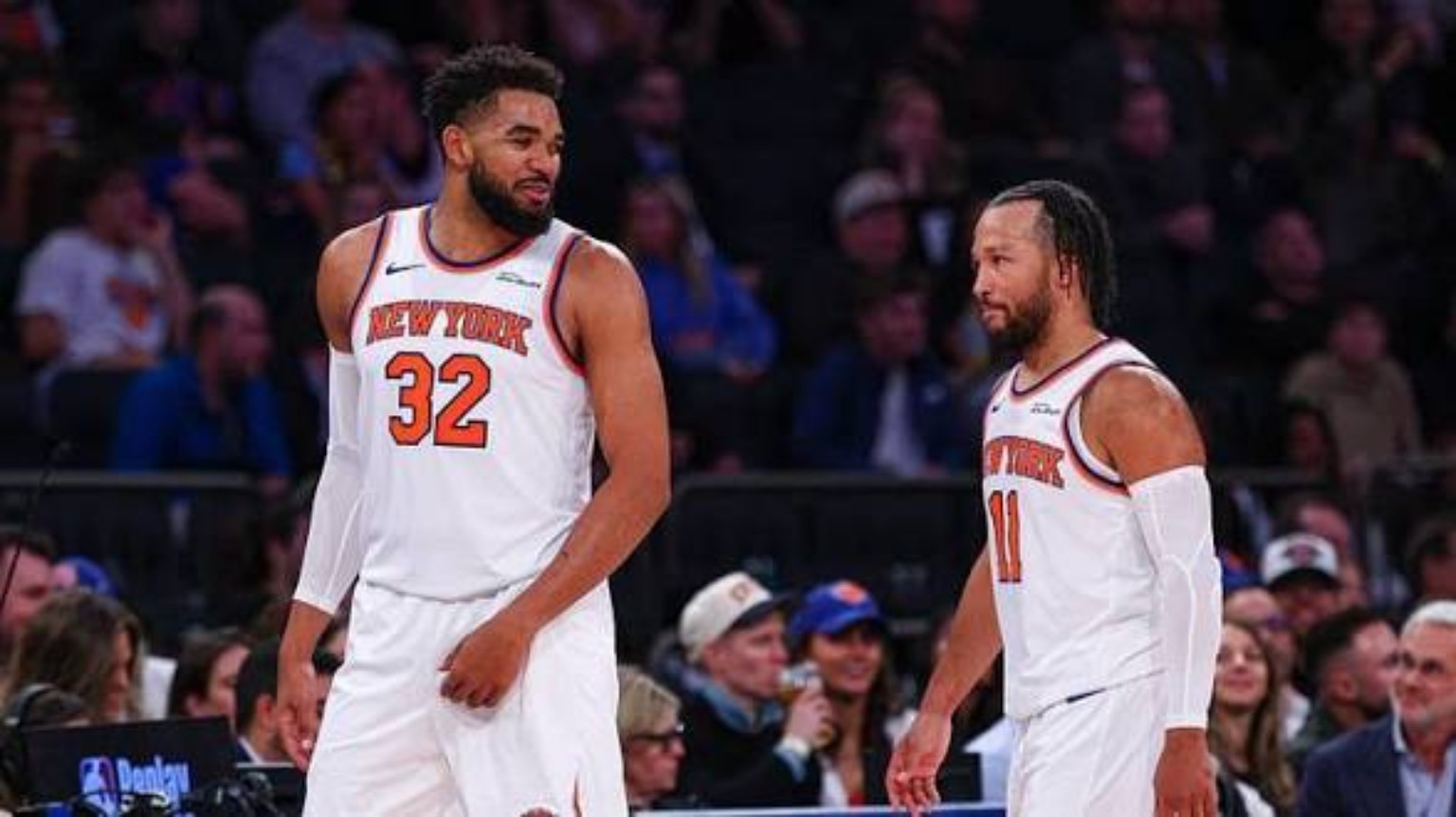
Philadelphia has star power. New York has a championship foundation. That tension is the entire story of this matchup.
The Sixers’ offensive puzzle starts with LeBron James embracing a point-forward role. The cleanest version of this team does not require him to lead in shot attempts. It requires him to organize possessions, diagnose coverages and make life easier for Tyrese Maxey, Jaylen Brown and Joel Embiid. Maxey’s speed bends defenses. Brown attacks downhill and can manufacture a bucket late in the clock. Embiid gives Philadelphia an interior and midrange focal point. VJ Edgecombe can find points without plays called for him—through cuts, transition opportunities and decisive attacks against rotating defenses.
The risk is obvious: multiple gifted scorers can become multiple spectators when the ball sticks. Philadelphia will have to learn who initiates which actions, when to flow into a second option and how to keep its younger players involved. Our closing-time philosophy is simple: there should be no mandatory final-shot taker. Maxey, Brown, Embiid and LeBron are all credible options. The best matchup and the best available shot should decide the possession.
New York has no such introductory chemistry exercise. Jalen Brunson already understands how to command Madison Square Garden and control the final minutes of a game. Karl-Anthony Towns stretches defenses and can punish smaller matchups. OG Anunoby, Mikal Bridges and Josh Hart supply the physicality, defensive versatility and extra-effort possessions that championship basketball demands. We are watching whether New York can preserve that identity while continuing to evolve rather than assuming last season's formula will always be enough.
Brunson’s matchup against Philadelphia’s perimeter combinations will tell us plenty. Can the Sixers contain him without overhelping? Can LeBron and Embiid develop a devastating two-man rhythm before the Knicks’ defense loads up? And when the game slows down, which team produces clean looks without needing a heroic isolation possession?
The East is not New York’s property. Philadelphia, Boston, Detroit and other contenders will make this conference difficult. Still, the Knicks have earned the opening position as favorites, and ring night at the Garden is not an ordinary Tuesday.
LeBron as the conductor, not the entire orchestra
The idea sounds obvious until a big moment arrives. When pressure builds, stars gravitate toward their old habits. LeBron has spent years being the player asked to solve every possession. Philadelphia's best version may require him to see the mismatch, set the table and trust another player to finish the action. That is not a smaller basketball role. It is a different kind of control.
Maxey's burst gives the Sixers a change of pace no defense can comfortably ignore. Brown can punish a weak defender in space, and Embiid can make the entire defense pivot toward the middle of the floor. The objective is not to take turns proving each star deserves touches. It is to use the threat of one player to unlock an advantage for another. VJ Edgecombe's off-ball reads and cutting could quietly determine whether the lineup is fluid or stagnant.
Four legitimate closers, one shared decision
We are not assigning the final shot by reputation. Maxey can get separation. Brown has scored in the biggest situations. Embiid can create a favorable shot from the post or elbow. LeBron can still go get a basket, and he can find the open player before the defense even realizes where the advantage appeared. None of that means the possession runs itself.
The important late-game question is whether Philadelphia reaches its best option early enough to exploit it. New York is too experienced to be fooled by aimless dribbling. The Sixers will need counters for Brunson's defensive partner, for a hard switch, for a help defender sitting in Embiid's lap, and for the moment the Knicks force someone other than the intended shooter to make a play.
The Garden is more than a backdrop
A championship banner and a ring ceremony do not score points, but the atmosphere on opening night should be extraordinary. Brunson is already comfortable carrying New York through chaos. Towns can stretch Philadelphia's size away from the paint, and the Knicks' familiar supporting pieces understand exactly when to cut, when to crash and when to make the extra pass. That continuity is an advantage over a visiting lineup still learning each other's timing.
We expect New York to test Philadelphia's transition communication and force its scorers into defensive work. Whoever draws Brunson must survive the hesitation, the change of pace and the midrange counters. Whoever gets Towns must respect his shooting rather than retreating to the rim. Philadelphia's offensive upside is tremendous; its defensive coordination will be the bigger opening-night mystery.
No coronation for the Eastern Conference
New York earned the right to be our starting favorite. That does not make the East a formality. Detroit's youth is progressing, Boston is looking to reinvent its offensive balance, Cleveland remains ambitious, and Miami's new star configuration changes the calculus. Philadelphia may look different in December than it does on the first Tuesday of the season.
Our pick is the Knicks at home, on ring night, with their habits and chemistry already established. But the longer 4DK story is whether Philadelphia can turn star power into a system that survives the playoffs. One game will offer clues about that process, not a verdict on it.
THE 4DK PICK: NEW YORK. Philadelphia may become more dangerous as the chemistry develops, but we are taking the defending champions on their celebration night.
03 / OKLAHOMA CITY AT SAN ANTONIO
SGA holds the crown. Wemby wants the throne.
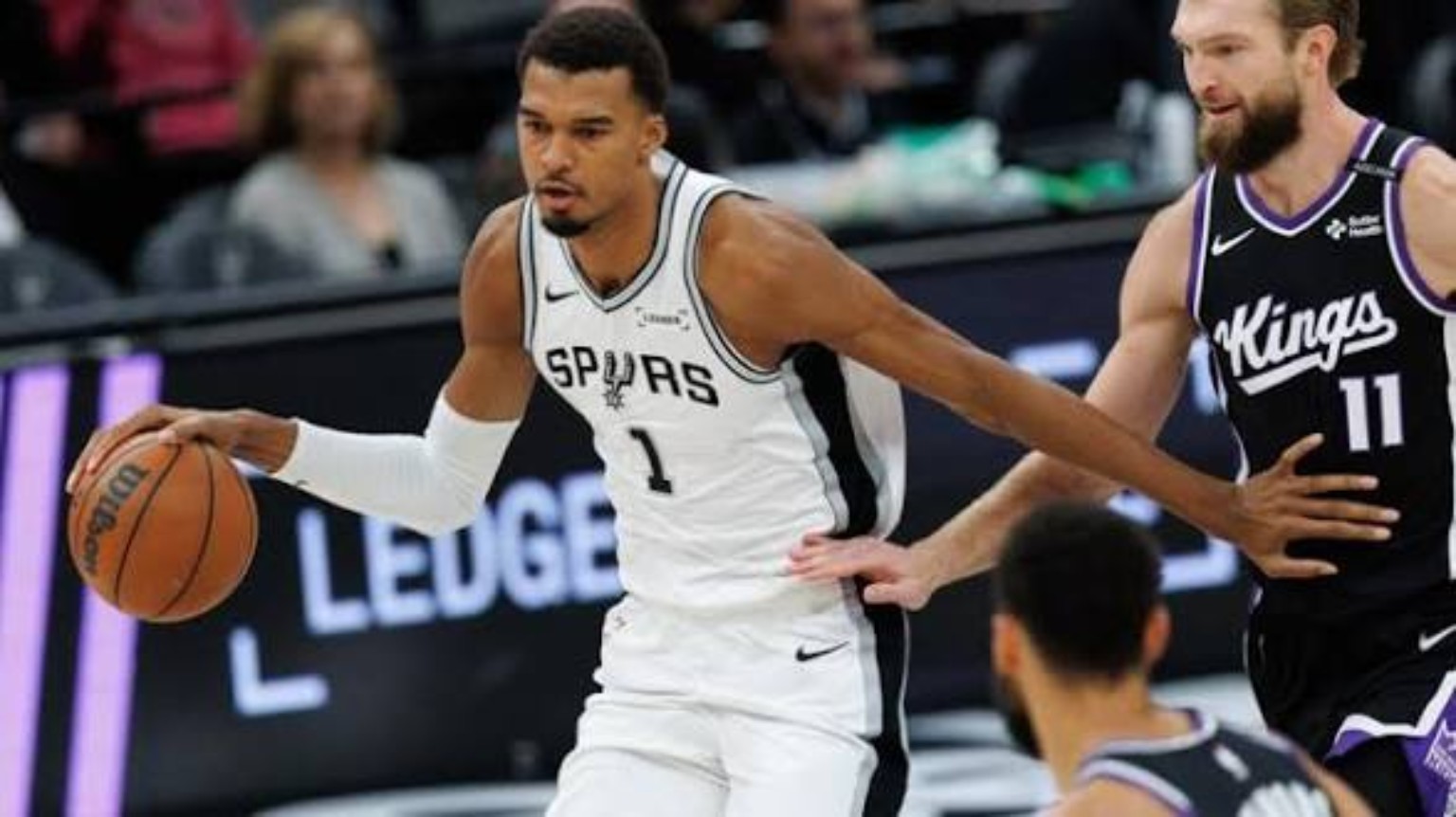
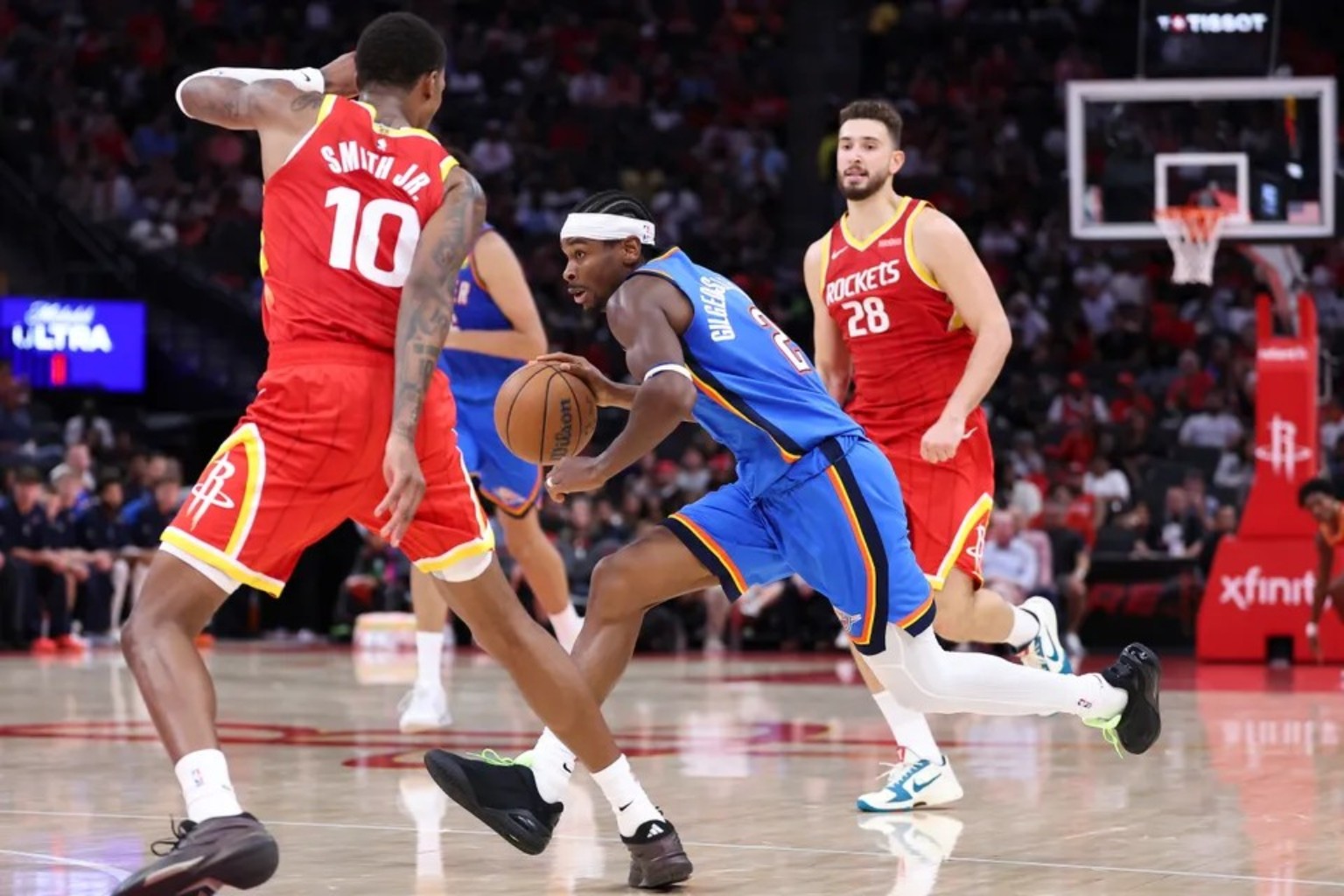
The late game offers the biggest individual confrontation of opening night: the established authority of Shai Gilgeous-Alexander against the expanding possibilities of Victor Wembanyama.
Our distinction matters. SGA has earned his place at the top of the league’s proven hierarchy. But Wembanyama is No. 1 on our 4DK Top 50 because we believe his ceiling as a two-way force is unmatched. That is a projection of dominance, not a claim that he has already surpassed every accomplishment of the players chasing championships today.
San Antonio’s backcourt experiment deserves patience. The idea of De’Aaron Fox, Stephon Castle and Dylan Harper sharing the floor is intriguing: Fox provides speed and downhill pressure; Castle adds size and physical defense; Harper brings another creative ballhandler. But three creators do not automatically create three times the offense. Their spacing, off-ball activity and willingness to move the ball will determine whether the alignment enhances Wembanyama or clogs his operating room. We are not passing judgment before watching meaningful minutes.
Against Oklahoma City, the experiment will receive a severe examination. The Thunder’s pressure can turn indecision into transition opportunities. Shai’s pace and control punish a defender who loses balance for even a moment. Chet Holmgren’s ability to operate away from the basket forces San Antonio to consider how far Wembanyama can roam as a help defender without surrendering open looks. On the other end, Wembanyama’s length can alter the geometry of an entire possession, but OKC will test his strength, positioning and decision-making repeatedly.
The most revealing question may be what happens late. Which Spurs guards stay on the floor? Who initiates offense when the first set fails? Can San Antonio create clean touches for Wemby under pressure? Can OKC stay disciplined enough to resist gambling when the game tightens?
Why Wemby is No. 1 on the 4DK Top 50
This distinction is not contradictory: Shai owns the résumé, and we believe Wembanyama has the most explosive remaining runway. SGA is a master of controlling a defense with balance, patience and the threat of his pull-up. Wemby is something else entirely, a player capable of changing the geometry of the court at both ends. Placing him atop our Top 50 is a statement about where we believe the game is heading.
What we want now is proof against the teams built to challenge him. How does he respond when opponents bring physicality to his base, crowd his catches and put him in ball-screen decisions? Can he dominate a fourth quarter without every action requiring the perfect entry pass? The leap from rare talent to undisputed best player demands answers in those exact moments.
Three guards, one ball, and a long season to figure it out
Fox, Castle and Harper present a fascinating experiment because none is simply a stationary shooter. Fox can bend the floor with speed; Castle can attack through contact and defend physically; Harper sees passing lanes and opportunities to create. Those are real strengths. They also create questions about who spots up, who keeps the weak side occupied and which opponent San Antonio can guard with a smaller look.
We are not grading the combination before it gets a proper chance. We want to see the timing of the cuts, the number of empty possessions when nobody moves, and whether Wemby receives the ball in useful positions. San Antonio does not have to start and close with the same five. The rotations against Oklahoma City may be more revealing than the announced starting lineup.
The Chet–Wemby chessboard
Holmgren matters because he can contest vertically, operate in space and force Wembanyama to make decisions far from the basket. Oklahoma City can involve Chet in actions that stretch the defense and make Wemby choose between protecting the rim and respecting a shooting threat. At the other end, San Antonio can look for deep seals, quick re-screens and touches that force Chet to absorb contact rather than simply contest from a comfortable angle.
The most important matchup may still be the one neither man directly guards: Shai versus the help defenders behind the initial perimeter defender. San Antonio cannot allow a chain of late rotations that ends with an effortless kick-out. OKC cannot let a series of empty offensive possessions turn into easy Fox-led breaks with Wemby trailing into open space. The best teams control both the first action and the consequences of that action.
Why we see overtime
The prediction is not that one star embarrasses the other. It is that the game stays tight because both teams have weapons the opponent cannot entirely erase. A Wemby defensive sequence can change two minutes of basketball. A Shai scoring burst can take those two minutes right back. The final possessions should reveal more about poise, communication and choice than about which player has the bigger highlight reel.
Our call is Oklahoma City in overtime. In a possession game, we are siding with the group whose habits and late-clock organization we trust right now. San Antonio could walk out encouraged even in defeat if the guard experiment gives Wemby more clean opportunities and the defense stays connected. In the West, that would matter long after Tuesday night ends.
THE 4DK PICK: OKLAHOMA CITY IN OVERTIME. We expect a heavyweight battle, and we trust the Thunder’s experience and Shai’s late-game shot creation in the closest finish of the night.
THE BIG PICTURE
Three games. Three different definitions of readiness.
Boston wants to show that a reconfigured supporting cast can still complement Tatum at a championship level. Detroit wants its young core to grow beyond the limitations that ended its previous postseason. Philadelphia is trying to convert a collection of elite names into a coherent team, while New York wants to defend a title without standing still. San Antonio is searching for the ideal structure around a generational talent; Oklahoma City is protecting the standard it has established.
Opening night will not settle any of those debates. It will give us the first real evidence. We are not confusing preseason promise with regular-season proof, and we are not declaring a conference winner after 48 minutes. We are watching process: defensive coverages, rotations, ball movement, health, effort and how the best players respond when the game gets uncomfortable.
OUR CARD: CELTICS OVER PISTONS. KNICKS OVER 76ERS. THUNDER OVER SPURS IN OVERTIME. Three predictions, no guarantees. The games get the final word—and 4 Da Kulture will have ours.