THE CLEAR
NO. 2.
LeBron was the phenomenon. Carmelo was the polished scorer who looked ready on Day One. The 2003 Draft did not need hindsight to make Melo look like one of its safest bets.
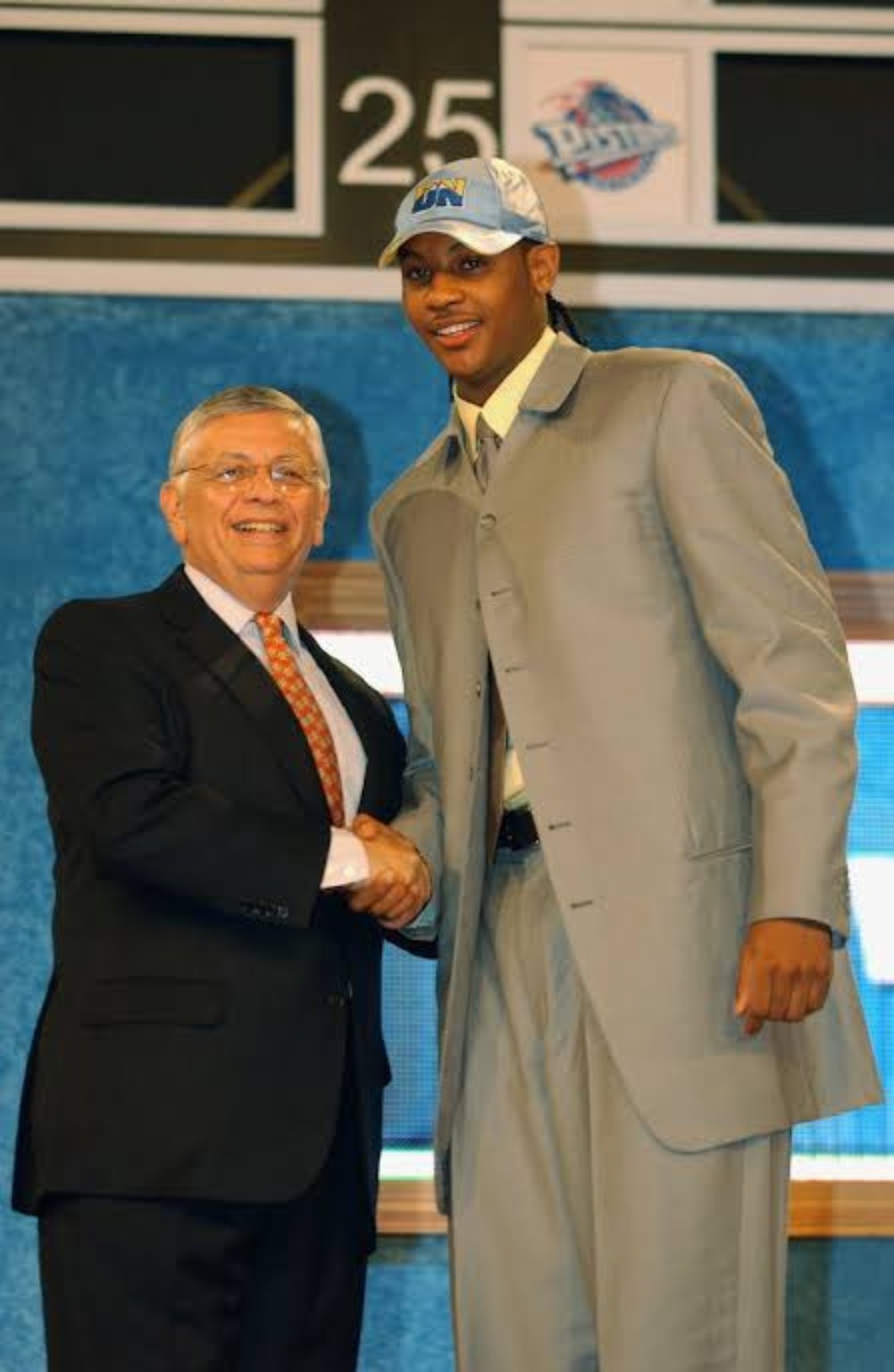
LEBRON FIRST. MELO SECOND. NO HESITATION.
Going into the 2003 Draft, the 4DK board is simple: LeBron James first, Carmelo Anthony second.
Melo looked more immediately NBA-ready as a scorer. Syracuse had already shown the full package — face-up work, midrange touch, post scoring, strength and the confidence to be a No. 1 option. LeBron still had the better all-around profile, the rare physical build and the bigger two-way ceiling.
That did not make the gap between Melo and the rest of the class small. To us, Carmelo was the obvious second prospect.
THE DARKO DECISION IS MORE COMPLICATED — BUT STILL HARD TO EXPLAIN.
The Pistons already had Tayshaun Prince, and his 2003 playoff run mattered. Detroit had reason to believe it had found a young wing who fit a winning roster.
That is the strongest basketball explanation for why Melo was not the automatic answer at No. 2. Detroit also wanted frontcourt help and took Darko Miličić. The problem is that the same season ended with the Pistons acquiring Rasheed Wallace — the frontcourt piece that actually pushed them over the top.
Would drafting Melo have guaranteed the 2004 championship? No. The entire transaction tree changes, and there is no guarantee the Wallace deal still happens. But passing on a prospect as polished as Carmelo still stands as one of the defining what-ifs of that draft.
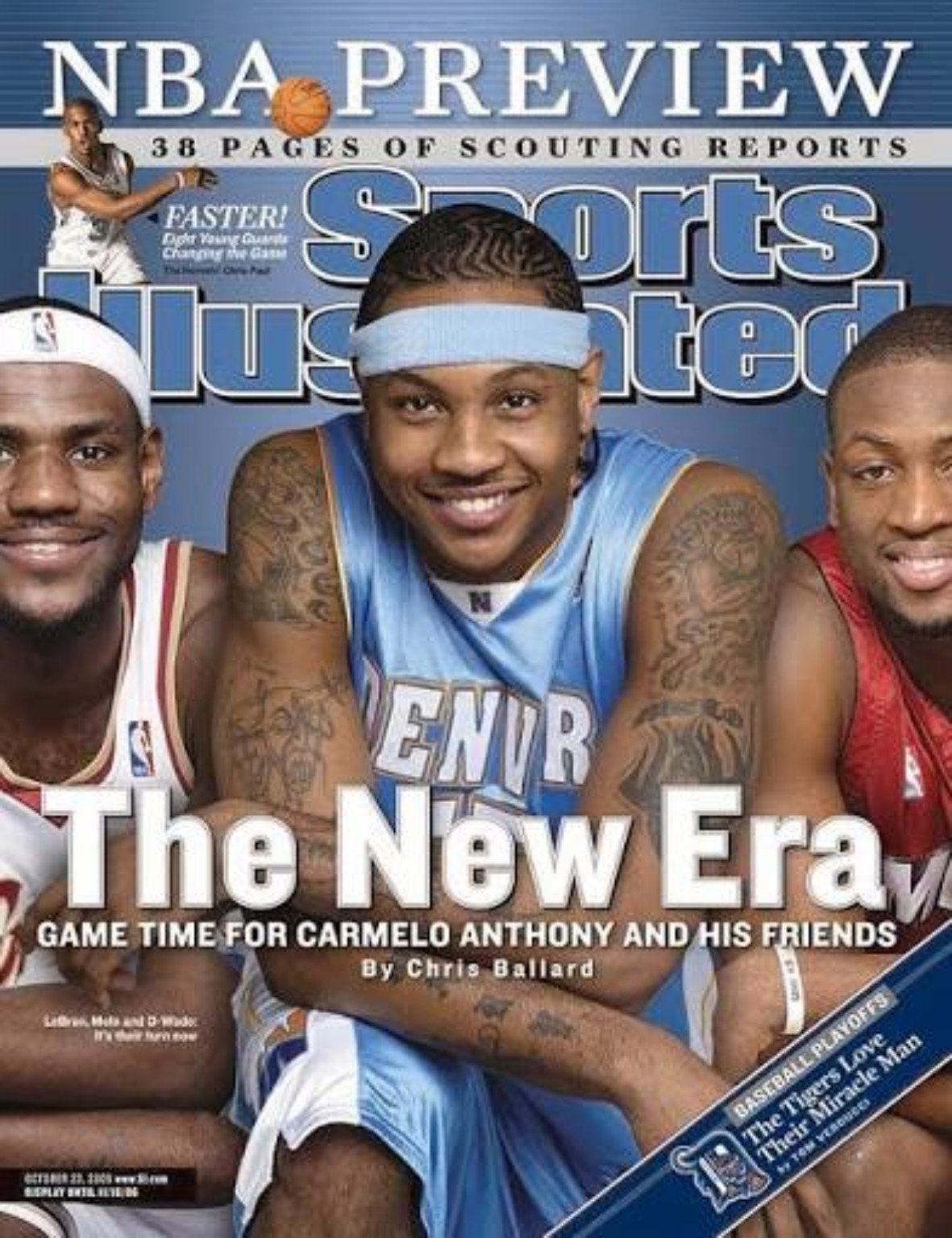
THE ROOKIE YEAR VALIDATED THE SCOUTING.
Denver had won 17 games before Melo arrived. One season later, the Nuggets went 43–39 and made the playoffs.
Anthony played all 82 games and averaged 21.0 points, 6.1 rebounds and 2.8 assists at 19 years old. He was given the keys immediately because he looked ready for them.
LeBron won Rookie of the Year and had the stronger all-around statistical case. But 4DK has always believed Melo had a legitimate argument — at minimum, a co-Rookie of the Year case — because of the way his scoring and immediate winning impact changed Denver.
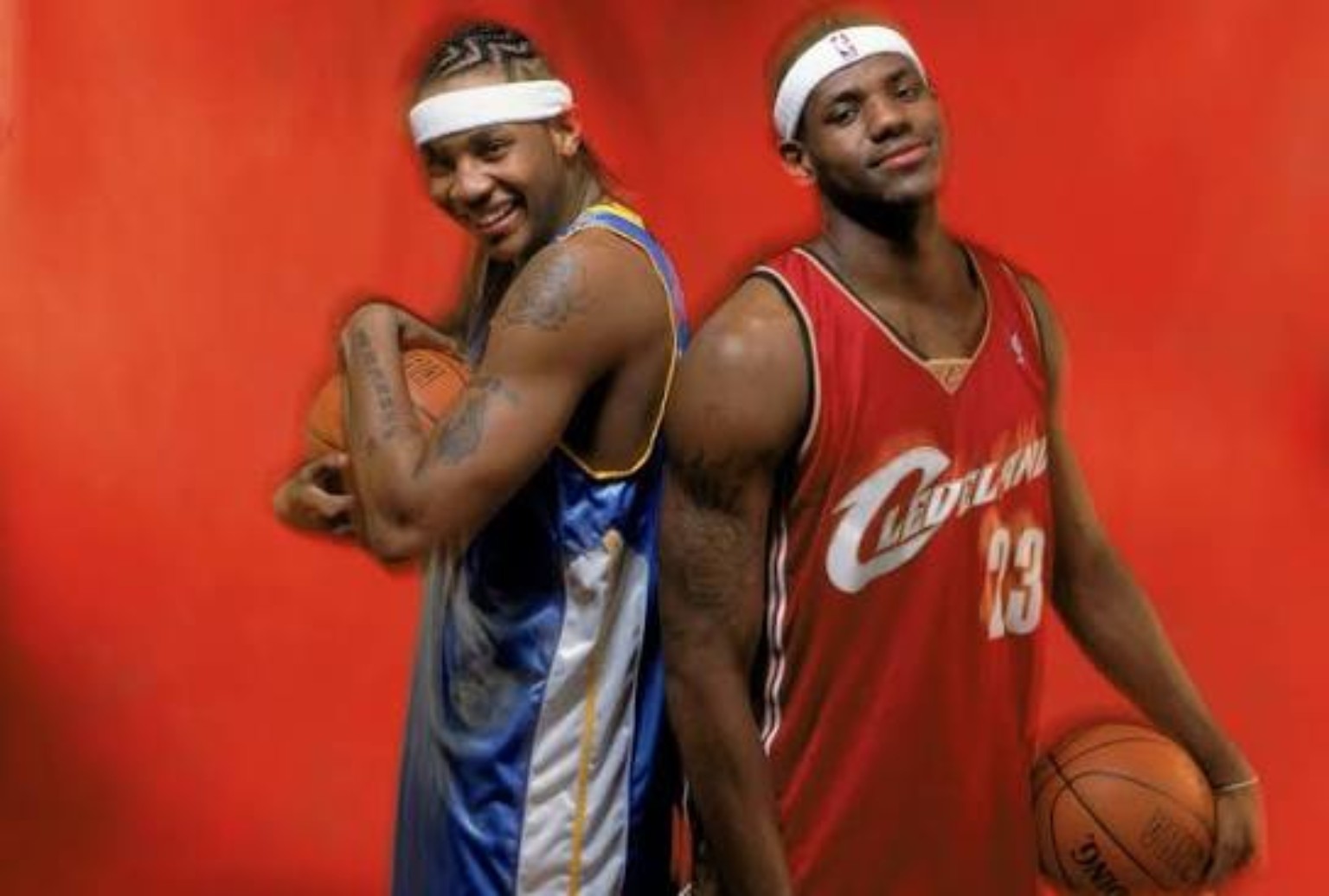
ONE OF THE DRAFTS THAT DEFINED THE CENTURY.
LeBron, Melo, Dwyane Wade and Chris Bosh gave 2003 a historic top end. Wade was always a top-five type of prospect to us, but not above LeBron or Melo going into the night.
And one old 4DK draft take still deserves a mention: we thought T.J. Ford was going to be elite. That is the fun of revisiting a draft honestly — remembering what we believed before careers supplied the answers.
What never changed was the Melo evaluation. Syracuse said he was ready. Denver confirmed it immediately.