4DK ALBUM FILES • VOLUME II • ISSUE 08 • 15 YEARS LATER
4 DA KULTURE
VOLUME II • ISSUE 08 • 15 YEARS LATER

TAKE
CARE.

The Album That Tested the Sound of 2010s Hip-Hop

We don't have to be Drake stans to call the catalog what it is. After Thank Me Later proved he could become a star, Take Care erased the sophomore-jinx conversation and sent him into a different stratosphere. Fifteen years later, the sound, influence and replay value still demand their flowers.

DRAKE • NOVEMBER 2011TORONTO • OVO ERA20 TRACKS REVIEWED9.7 / 10 • CERTIFIED CLASSIC
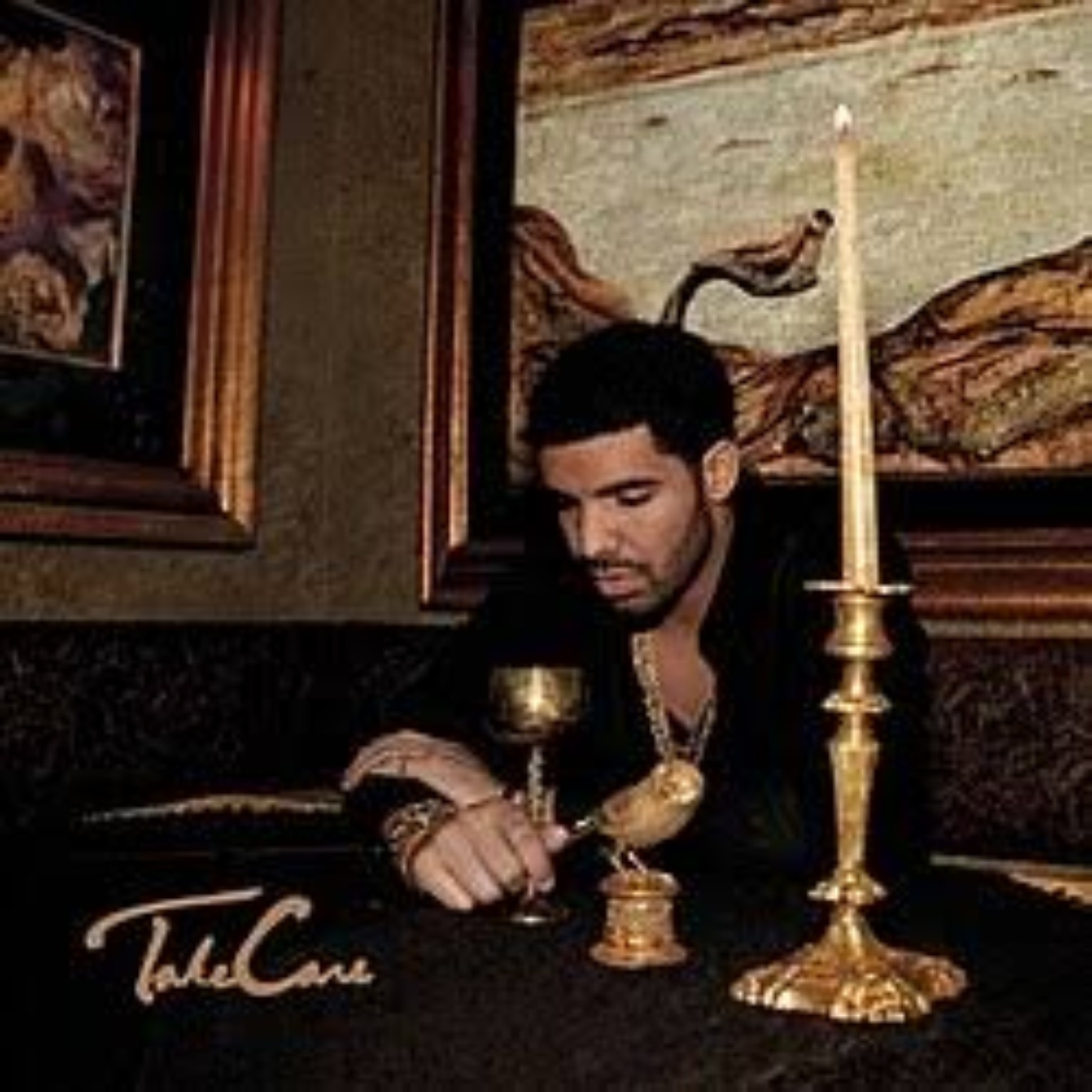
Drake Take Care album cover
DRAKE • TAKE CARE • 2011
THE 4DK DEEP DIVE

The sophomore jinx never came.

Here is what makes this retrospective different for us: we do not have to be Drake fans to give Drake his flowers. You can argue with choices he made later, prefer other rappers, or simply not keep him in your personal rotation like that. None of it changes the catalog. By 2011, that catalog was already becoming impossible to deny.

Thank Me Later had done the first job. It took the anticipation surrounding Drake and converted it into a real major-label arrival. That is exactly why album number two carried a different kind of pressure. The question was no longer whether Drake could become famous. The question was whether the phenomenon had enough substance to survive once the novelty disappeared.

Take Care answered that by becoming more specific, not safer. Drake leaned deeper into melody, loneliness, ego, relationships, Toronto atmosphere and the uncomfortable space between rapper and R&B singer. Instead of correcting the qualities that made him unusual, he built the album around them.

That is why we see this as more than a successful sophomore record. Take Care took Drake into a different stratosphere. The first album proved he belonged. The second made the rest of the game deal with him.

40 • SPACE • ATMOSPHERE • IDENTITY

They didn't just make songs. They built a room.

Noah “40” Shebib is essential to understanding why this many versions of Drake can live on the same album. The production is frequently spacious enough to make silence feel musical. Voices float instead of fighting for space. Drums can hit hard without every record being overcrowded. Samples and textures often feel like memories coming through a wall.

That space gives Drake room to switch identities without making the album feel scattered. “Shot for Me” can be full R&B. “Under Ground Kings” can remind everybody he still wants to rap. “Lord Knows” can explode into something huge. “Cameras / Good Ones Go” can change emotional temperature halfway through. “HYFR” can become a hard single with Wayne. The sounds move; the world stays intact.

That is album construction, not playlist construction. And it is one of the biggest reasons Take Care has aged so well.

CREW LOVE • XO MEETS OVO

Give The Weeknd his flowers without giving him Drake's album.

“Crew Love” matters in two directions. For a much larger mainstream audience, it was an introduction to The Weeknd's eerie, nocturnal sound. For Drake, it helped open another door inside his own music. The chemistry works because neither artist sounds like he is visiting the other's record; they meet in the same dark room.

We can acknowledge that influence without turning the history into the lazy claim that The Weeknd simply made Take Care for Drake. Abel's contributions matter. So does 40's architecture. So does Drake's performance, writing and sequencing. The album's achievement is collective without losing its center.

And fifteen years later, “Crew Love” is not surviving because people read the credits. It survives because the record is still a certified banger.
THE IMPACT • FIFTEEN YEARS LATER

Take Care tested the sound of 2010s hip-hop.

We are not going to pretend Drake invented vulnerable rap, rappers singing, atmospheric R&B or toxic relationship records. Hip-hop history is too deep for that. The stronger argument is that Take Care put those ingredients together at superstar scale and proved the combination could sit at the center of mainstream rap.

The rapper did not have to stop being a rapper because he sang. The R&B records did not have to be side missions. The biggest star could sound insecure, jealous, lonely and arrogant on the same album. A radio single could live beside a six-minute mood piece. A rap album could be dark and spacious without sacrificing commercial ambition.

That flexibility became normal across the decade. Not because everybody copied one Drake song, but because the borders themselves mattered less. Take Care helped demonstrate how wide the lane could become.

The numbers and awards reinforce the scale without defining the art: the album reached No. 1 and later won Best Rap Album, Drake's first Grammy. More revealing is what happened afterward. Nothing Was the Same, Views and the years of dominance that followed did not come out of nowhere. Take Care was the moment the run stopped looking temporary.

THREE ALBUMS • THREE DIFFERENT DRAKES

Take Care. Nothing Was the Same. Views.

2011

TAKE CARE

The immersive breakthrough: hungry enough to experiment, famous enough to understand the cost of fame, and confident enough to let R&B sit at the center of a blockbuster rap album.

2013

NOTHING WAS THE SAME

The sharpened superstar: tighter, increasingly confident and more comfortable with his position. If Take Care built the world, this is Drake moving through it like he owns the property.

2016

VIEWS

The empire: Toronto fully embedded into the presentation, global scale, rap and R&B joined by an even broader pop vocabulary. Different strengths, different Drake.

We are not forcing a winner. Those three albums represent three stages of the run, and which one lands hardest depends on what you want from Drake. But Take Care is the one that made the size of the future feel possible.

THE 10/10 CLUB • 4DK PERFECT FOUR

FOUR RECORDS. FOUR DIFFERENT DRAKES.

01

Shot for Me

THE R&B STATEMENT

A cold-ass R&B banger and, for us, the perfect second song. It announces immediately that melody is not a detour from the album's identity.

02

Crew Love

THE DARKNESS OPENS UP

Drake and The Weeknd find a shared atmosphere and make one of the album's defining records.

03

Cameras / Good Ones Go

THE MASTERPIECE INSIDE THE MASTERPIECE

R&B memory, fame, paranoia and emotional fallout stitched into one of our most replayed Drake records.

04

HYFR

DRAKE & WAYNE IN FULL CHEMISTRY

A hard single, hard beat and real bars. One of our favorite Drake records, period.

THE EXPANDED TAKE CARE EXPERIENCE • 4DK RATINGS

EVERY RECORD.
DEEPER THAN A SCORE.

Our 9.7 is an album verdict, not an arithmetic average. It weighs sequencing, impact, cohesion, replay value and what the record means fifteen years later. We include the bonus-era records in this expanded 20-track review.

01

Over My Dead Body

9.2/10

The smartest thing about this opener is its restraint. Drake does not begin his sophomore album screaming that he won; he sounds like somebody taking inventory after the first wave of success. The production leaves room around him, establishing the reflective atmosphere before the album has even shown its full hand. It is a mission statement: this record wants to examine success as much as celebrate it.

02

Shot for Me

10/10

Cold-ass R&B banger. More than that, it is sequencing at its best. Coming directly after the controlled opener, Drake sinks the album into melody, relationships, resentment and vulnerability while keeping enough ego in the performance to make the emotions complicated. That contradiction became classic Drake: hurt, reflective and still convinced the other person lost more than he did. Putting this at Track 2 tells us the R&B records are not side missions. They are part of Take Care's DNA.

03

Headlines

9.3/10

Drake on his radio shit, and done correctly. “Headlines” is catchy and direct without sounding like the album stopped so the label could insert a single. The confidence is higher, the structure is immediate and the record travels outside the album, but its textures still belong to the same universe. A classic album can have a radio record without letting radio dictate the album.

04

Crew Love

10/10

Certified banger and a genuine gem. The Weeknd does not arrive for a normal guest verse; his presence establishes the record's haunted atmosphere before Drake steps into it. That is why their chemistry feels so natural. Neither artist sounds pasted onto the other's world. The song carries historical weight as an early major exposure point for The Weeknd, but that is not why we give it a 10. We give it a 10 because fifteen years later the record still sounds cold.

05

Take Care (feat. Rihanna)

9.4/10

The title track expands the album toward pop and R&B without sanding away its melancholy. Rihanna is not decoration; her presence gives Drake a real counterpart and keeps the emotional exchange from becoming a one-man monologue. It became one of the project's signature records, but our board also makes something clear: some of the deepest album cuts hit us even harder. That is a compliment to the depth of the project.

06

Marvin's Room

9.2/10

This might be the record people reach for first when describing the vulnerable, messy Drake archetype. The mess is the point: jealousy, alcohol, loneliness, entitlement and insecurity are allowed to coexist without turning Drake into the hero of his own feelings. We have records on the album we play more and rate higher, but its importance is bigger than our 9.2. Impact and personal replay value do not have to be the same thing.

07

Buried Alive Interlude

8.7/10

Fifteen years later, hearing Kendrick Lamar occupy his own space on a Drake blockbuster before his full mainstream explosion is wild history. We do not need to rewrite that into Drake “discovering” Kendrick. What matters is that one of rap's next defining voices received unusually prominent exposure to Drake's enormous audience, and the album trusted him with an interlude rather than squeezing him into a conventional feature.

08

Under Ground Kings

9.4/10

Anybody reducing Take Care to “sad Drake” needs this record immediately. Drake is rapping with hunger and swagger, sounding like somebody who can finally see the scale of what is happening without losing the competitive instinct that got him there. That edge is essential to the album. Vulnerability never replaces ambition; the two keep fighting for space.

09

We'll Be Fine

9.5/10

That beat is hard. The production gives the middle of the album another burst of movement, and Drake sounds comfortable talking his shit without becoming lazy. This is the confidence of a rapper realizing the moment is no longer hypothetical. He is not auditioning for the room anymore. He knows he belongs in it.

10

Make Me Proud (feat. Nicki Minaj)

8.5/10

A good record living on an album where “good” has to compete with greatness. Nicki fits naturally into the Young Money chemistry and the song knows exactly what kind of accessible record it wants to be. We are not giving recognizable singles automatic nostalgia points, though. At 8.5, this is still quality; it is simply surrounded by monsters.

11

Lord Knows (feat. Rick Ross)

9.6/10

Banger. The sample-driven Just Blaze production is massive, almost cathedral-sized compared with the dim rooms surrounding it. Drake attacks that scale instead of disappearing inside it, and Rick Ross is actually dope on the record rather than functioning as a prestige feature. This song matters to our larger argument: Take Care can sound intimate for long stretches and then become enormous without breaking character.

12

Cameras / Good Ones Go Interlude

10/10

This one gets all its flowers. The Jon B connection gives “Cameras” late-'90s R&B memory, but the record pulls that DNA into the colder world of Take Care instead of merely replaying nostalgia. Drake comes with that shit: public image, private distrust, fame, relationships and paranoia all moving together. Then “Good Ones Go” changes the emotional temperature. The confidence starts dissolving and the emotional bill comes due. It is not a switch for the sake of a switch; the second half feels like the consequence of the first. Rap sensibility, R&B history, melody, ego and vulnerability all inside one piece. One of them ones.

13

Doing It Wrong

9.0/10

By this point the album has earned the right to slow all the way down. The record lives in emotional aftermath instead of chasing another obvious single, and that restraint gives the sequence breathing room. It is another example of why calling all of these records “sad Drake songs” misses the craft: each one shifts the emotional temperature differently.

14

The Real Her (feat. Lil Wayne & André 3000)

9.7/10

One of our most replayed records on the album, and a song confident enough to take its time. Drake establishes the haze, Wayne fits the mood instead of trying to turn it into a conventional Young Money showcase, and André 3000 adds another perspective without hijacking the world already built. Three enormous personalities occupy one mood. That is harder than it sounds, and it is why the record keeps pulling us back.

15

Look What You've Done

9.7/10

Classic Drake. Not the meme version—the autobiographical version. The flexing falls away and the writing turns toward family, sacrifice, memory and the people who knew him before the superstar existed. That matters because Take Care's vulnerability is bigger than relationship drama. This gives the album personal history, and it helped establish the reflective family-and-journey record as one of the strongest recurring lanes in Drake's catalog.

16

HYFR (feat. Lil Wayne)

10/10

One of our favorite Drake records ever. The Drake/Wayne chemistry is on full display: hard beat, hard single, bars, energy and two artists who already understand how to leave room for each other. Drake is enjoying rapping here. Wayne raises the temperature instead of changing the subject. The record is commercially accessible without feeling lyrically watered down, and it reminds us again that the album's R&B reputation never came at the expense of Drake wanting to rap his ass off.

17

Practice

7.8/10

Our clear low point, and that does not mean trash. We simply do not love Drake's reworking of the Juvenile classic. The concept fits his larger instinct to take familiar musical memory and pull it into his own intimate world, but this particular flip does not hit us like the album's best sample-driven moments. A 9.7 classic is allowed to have a 7.8 song. Admitting that makes the 9.7 mean more.

18

The Ride

9.4/10

We initially had this lower, then the beat demanded the correction. The production is hard, dark and perfectly suited to the reflective ending of the standard sequence. After all the guests, radio records, family memories and relationship wreckage, the album does not finish with confetti. It goes back into the night. That circular feeling makes “The Ride” a stronger closer than a first-pass rating gives it credit for.

19

The Motto (feat. Lil Wayne)

9.0/10

This is where impact and personal preference split. We are not especially attached to the song itself, but the beat works, Wayne works and the Bay Area tribute and energy deserve respect. Its cultural life became much bigger than “bonus track,” yet ubiquity does not get to dictate our score. We can recognize what the record did without pretending it is one of our favorites.

20

Hate Sleeping Alone

9.1/10

A strong bonus-era cut that reinforces just how deeply Drake was living inside the melodic side of himself during this period. Even around the edges of the main sequence, the atmosphere remains recognizable. A 9.1 here says plenty about the depth surrounding the album.

THE FINAL VERDICT • 4DK ALBUM FILES • ISSUE 08

THANK ME LATER MADE HIM A STAR.
TAKE CARE PUT THE GAME IN A CHOKEHOLD.

We do not need Drake to be our favorite rapper to recognize the catalog. That is part of what makes this album's legacy so undeniable. Thank Me Later was already a major arrival. Take Care was the leap: more cohesive, more personal, more confident in its own weirdness and more influential in the way it allowed rap and R&B to live together.

Our four 10s tell the story. “Shot for Me” is Drake the R&B artist. “Crew Love” is Drake meeting The Weeknd in the dark. “Cameras / Good Ones Go” is the album's whole emotional and musical language folded into one record. “HYFR” is Drake the rapper, trading energy with Wayne on a hard single. Four different lanes. One album.

Fifteen years later, the real flowers are not just for sales, awards or nostalgia. They are for how much of the album's flexibility became ordinary after it proved the formula could work at superstar scale. The sophomore jinx did not exist. Drake followed a successful debut by building a world—and then spent the rest of the decade expanding it.

9.7 / 10
CERTIFIED CLASSIC • 4 DA KULTURE

NEXT IN VOLUME II: ISSUE 09 — KENDRICK LAMAR, TO PIMP A BUTTERFLY.

BACK TO ALBUM FILES HQPREVIOUS: JEEZY • ISSUE 07