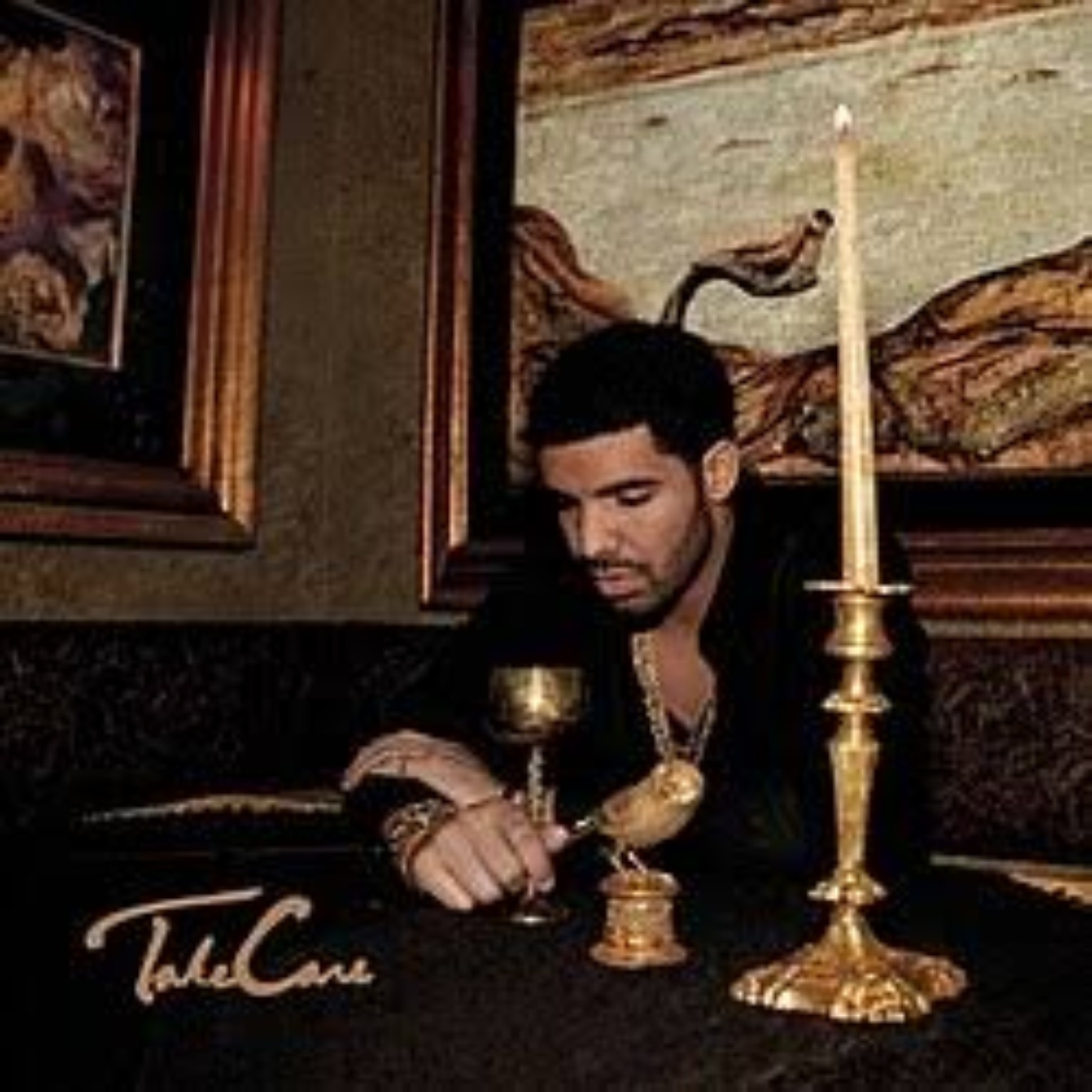
THE 4DK DEEP DIVEThe sophomore jinx never came.
Here is what makes this retrospective different for us: we do not have to be Drake fans to give Drake his flowers. You can argue with choices he made later, prefer other rappers, or simply not keep him in your personal rotation like that. None of it changes the catalog. By 2011, that catalog was already becoming impossible to deny.
Thank Me Later had done the first job. It took the anticipation surrounding Drake and converted it into a real major-label arrival. That is exactly why album number two carried a different kind of pressure. The question was no longer whether Drake could become famous. The question was whether the phenomenon had enough substance to survive once the novelty disappeared.
Take Care answered that by becoming more specific, not safer. Drake leaned deeper into melody, loneliness, ego, relationships, Toronto atmosphere and the uncomfortable space between rapper and R&B singer. Instead of correcting the qualities that made him unusual, he built the album around them.
That is why we see this as more than a successful sophomore record. Take Care took Drake into a different stratosphere. The first album proved he belonged. The second made the rest of the game deal with him.
40 • SPACE • ATMOSPHERE • IDENTITYThey didn't just make songs. They built a room.
Noah “40” Shebib is essential to understanding why this many versions of Drake can live on the same album. The production is frequently spacious enough to make silence feel musical. Voices float instead of fighting for space. Drums can hit hard without every record being overcrowded. Samples and textures often feel like memories coming through a wall.
That space gives Drake room to switch identities without making the album feel scattered. “Shot for Me” can be full R&B. “Under Ground Kings” can remind everybody he still wants to rap. “Lord Knows” can explode into something huge. “Cameras / Good Ones Go” can change emotional temperature halfway through. “HYFR” can become a hard single with Wayne. The sounds move; the world stays intact.
That is album construction, not playlist construction. And it is one of the biggest reasons Take Care has aged so well.
CREW LOVE • XO MEETS OVOGive The Weeknd his flowers without giving him Drake's album.
“Crew Love” matters in two directions. For a much larger mainstream audience, it was an introduction to The Weeknd's eerie, nocturnal sound. For Drake, it helped open another door inside his own music. The chemistry works because neither artist sounds like he is visiting the other's record; they meet in the same dark room.
We can acknowledge that influence without turning the history into the lazy claim that The Weeknd simply made Take Care for Drake. Abel's contributions matter. So does 40's architecture. So does Drake's performance, writing and sequencing. The album's achievement is collective without losing its center.
And fifteen years later, “Crew Love” is not surviving because people read the credits. It survives because the record is still a certified banger.